Understanding the Hybrid Solar Inverter
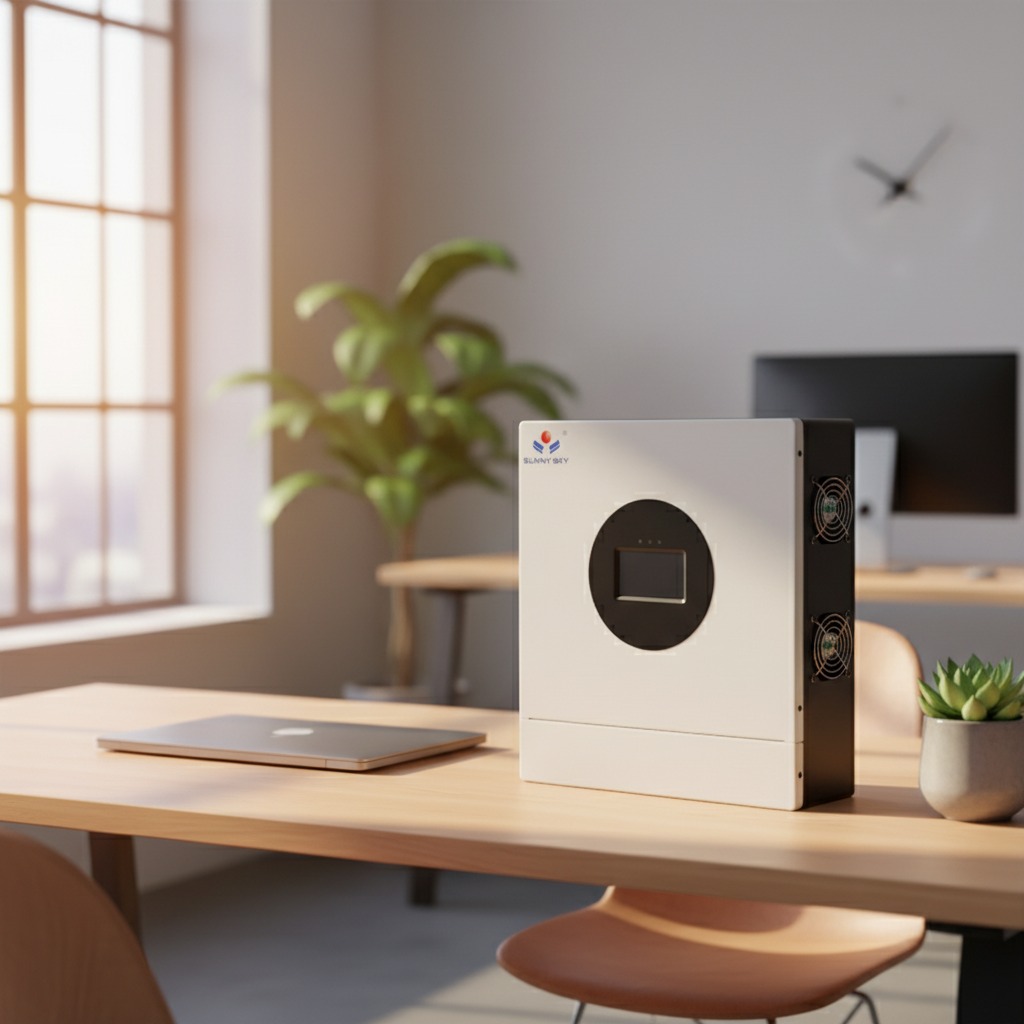
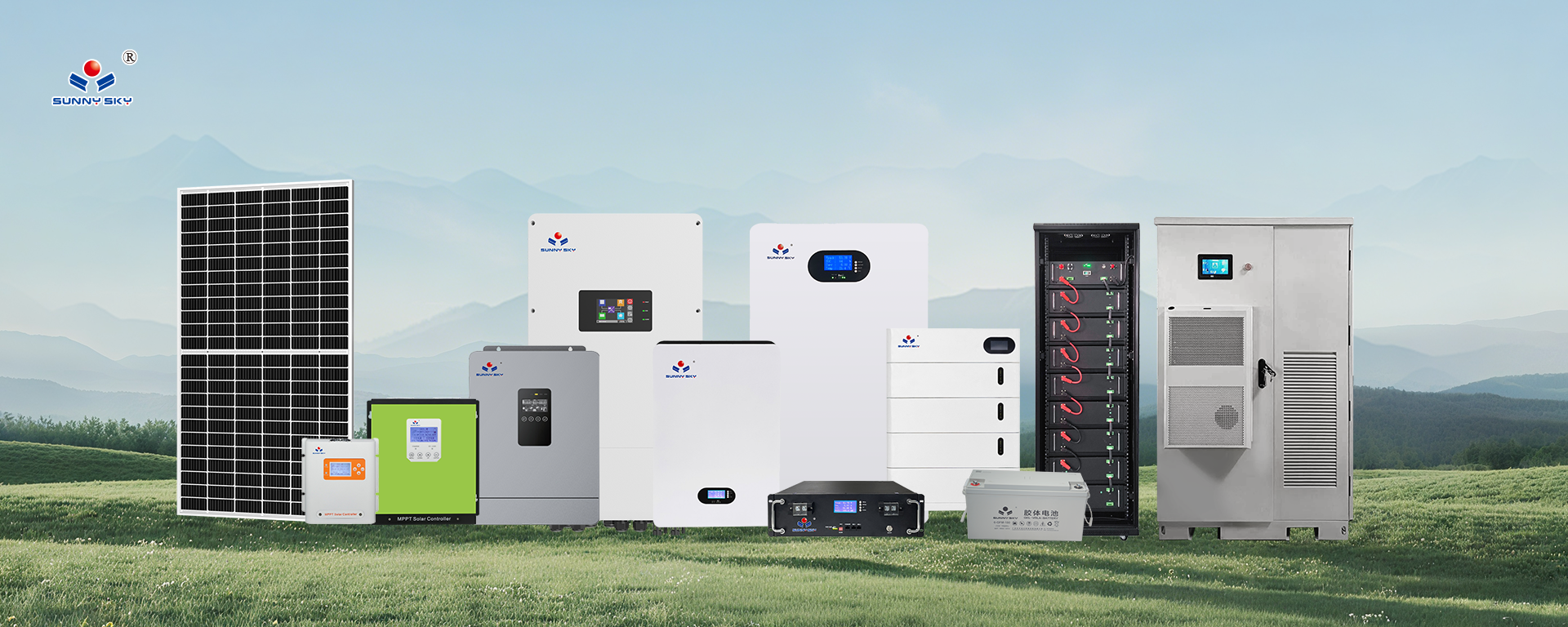
A hybrid solar inverter represents a pivotal advancement in renewable energy systems, seamlessly integrating solar power generation with grid and battery storage capabilities. At its core, a hybrid solar inverter converts direct current (DC) from solar panels into alternating current (AC) for household or commercial use, while also managing energy flow from multiple sources. This technology allows for efficient energy optimization, reducing reliance on the grid and enhancing self-sufficiency. For instance, Guangzhou Tianyuan Solar Equipment CO.,LTD's SUNNYSKY 12KW hybrid solar inverter exemplifies this by coordinating solar input, battery charging, and grid interaction through intelligent algorithms.
Key Benefits of Hybrid Inverter Technology
The hybrid inverter benefits are multifaceted, starting with improved energy efficiency and cost savings. Unlike traditional systems, hybrid inverters enable peak shaving and load shifting, where excess solar energy is stored in batteries for use during off-peak hours, minimizing utility bills. Reliability is another cornerstone; these devices provide seamless backup power during outages, ensuring uninterrupted operation. From a technical standpoint, hybrid inverter technology incorporates advanced MPPT (Maximum Power Point Tracking) controllers that maximize solar harvest even under variable weather conditions. SUNNYSKY's model, with its patented R&D innovations, achieves up to 98% efficiency, supporting scalable setups from residential to light commercial applications. Additionally, environmental advantages include reduced carbon emissions, aligning with global sustainability goals as outlined in our commitment to innovative green energy solutions.
Comparing Hybrid Inverter vs. Solar Inverter
When evaluating hybrid inverter vs. solar inverter, the distinction lies in versatility. A standard solar inverter focuses solely on DC-to-AC conversion from panels, lacking integration with batteries or the grid for storage. In contrast, a hybrid solar inverter acts as a unified system controller, automatically switching between modes for optimal performance. This makes it ideal for off-grid or hybrid setups. Technical specifications further highlight the edge: hybrid models like the SUNNYSKY 12KW unit feature programmable charging priorities and anti-islanding protection for safety. Reviews often praise this adaptability, noting how it future-proofs installations against evolving energy needs. For users in regions with unstable grids, the hybrid approach prevents energy waste and enhances ROI through features like zero-export control.
Top Rated Hybrid Solar Inverters and Reviews
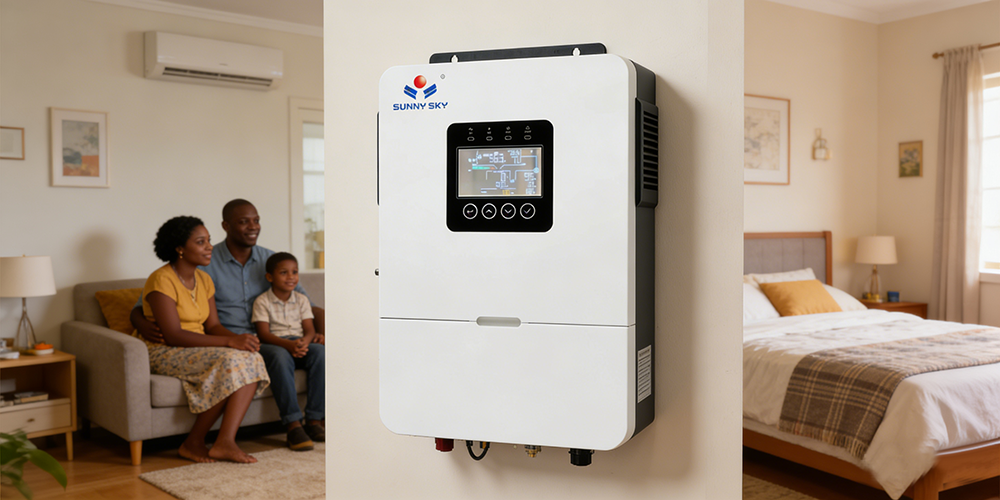
Among top rated hybrid solar inverters, the SUNNYSKY 12KW stands out for its blend of performance and design. Hybrid solar inverter reviews frequently commend its intuitive LCD interface, which displays real-time data on power flow, battery status, and system efficiency in a structured format. Users appreciate the slim, wall-mounted profile with softly rounded corners and minimalist black controls, integrating seamlessly into modern spaces. The side ventilation ensures thermal stability, maintaining operation at temperatures up to 60°C. Independent tests show low harmonic distortion (<3%) and robust surge handling, contributing to its recognition in over 50 countries. Our independent R&D ensures patented features like smart load management, earning high marks for longevity and ease of monitoring via touch-style buttons.
Hybrid Solar Inverter Price and Value Proposition
Hybrid solar inverter price varies based on capacity and features, but the SUNNYSKY 12KW offers competitive value at around $2,500-$3,000, depending on configuration. This pricing reflects premium components, including high-efficiency transformers and IP65-rated enclosures for dust and water resistance. Factors influencing cost include inverter capacity, warranty (typically 5-10 years), and included accessories like remote monitoring apps. Compared to entry-level models, the investment pays off through energy savings—potentially 30-50% reduction in electricity costs annually. For businesses, the ROI is accelerated by incentives like tax credits. At Guangzhou Tianyuan Solar Equipment CO.,LTD, we prioritize affordability without compromising quality, backed by our factory's proximity to Guangzhou Baiyun International Airport for easy global access.
Installing a Hybrid Solar Inverter
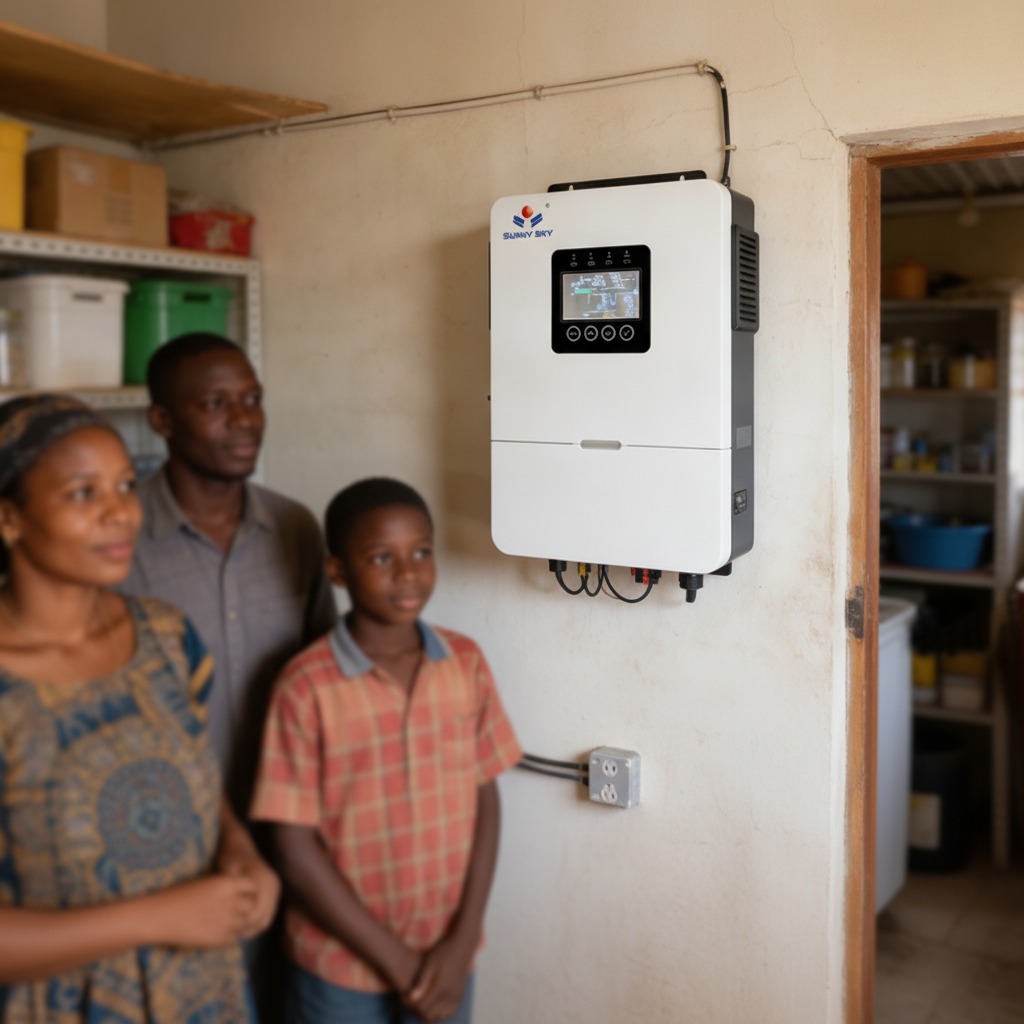
Installing hybrid solar inverter requires careful planning to ensure safety and efficiency. Begin with site assessment: select a shaded, well-ventilated location near the main panel and batteries. Professional installation, compliant with NEC standards, involves wiring solar arrays to the DC input, connecting batteries via compatible protocols (e.g., CAN bus for lithium-ion), and linking to the AC grid with proper breakers. The SUNNYSKY model's plug-and-play design simplifies this, with color-coded terminals and auto-detection for parallel operation up to 6 units. Post-installation, commissioning includes firmware updates and performance testing to verify synchronization. Our team recommends certified installers and offers complimentary support, emphasizing grid-tie safety features like rapid shutdown. This process typically takes 1-2 days, yielding a system ready for immediate energy optimization.
Selecting the Best Hybrid Solar Inverter
Choosing the best hybrid solar inverter hinges on specific needs like load capacity and expansion potential. Prioritize models with hybrid inverter technology that supports both lead-acid and lithium batteries for flexibility. The solar energy hybrid inverter from SUNNYSKY excels here, with its 12KW output handling heavy loads while optimizing for net metering. User feedback in reviews underscores its quiet operation (<30dB) and overvoltage protection. As a top contender among options, it aligns with our mission to deliver reliable green energy, reducing consumption and emissions. For those exploring alternatives, compare efficiency ratings and software compatibility to ensure long-term scalability.