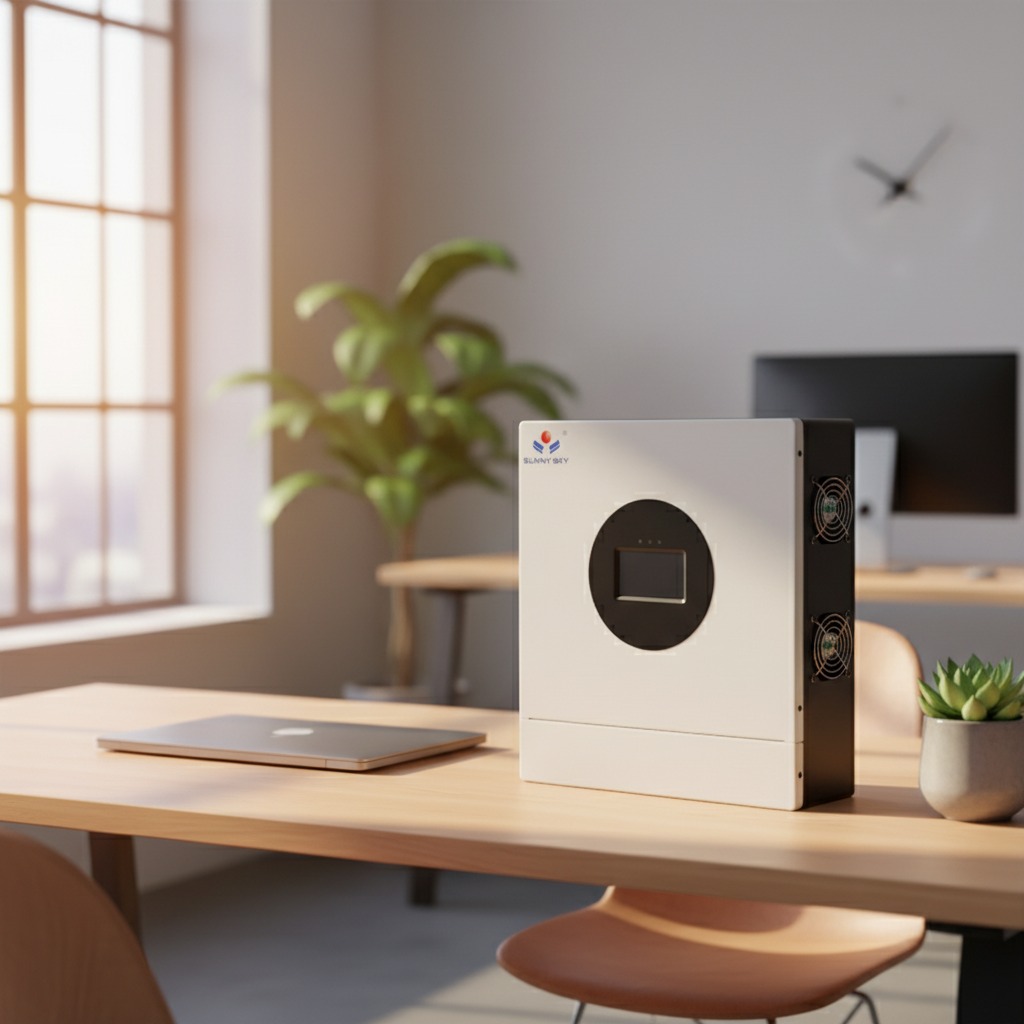
Hybrid Solar Inverter technology has revolutionized the way we harness renewable energy, offering a seamless blend of efficiency and adaptability for both residential and commercial applications. This innovative system integrates solar power with energy storage, allowing users to manage electricity more effectively than ever before. When compared to traditional inverters, the Hybrid Solar Inverter provides superior flexibility by supporting bidirectional energy flow, which enables it to draw from and feed back into the grid as needed. This makes it an ideal choice for those seeking Bidirectional Inverter capabilities in their Solar Power Systems, as it contrasts with simpler setups that lack this dual-direction functionality.
Comparing Hybrid Solar Inverters with Grid-Tied Inverters
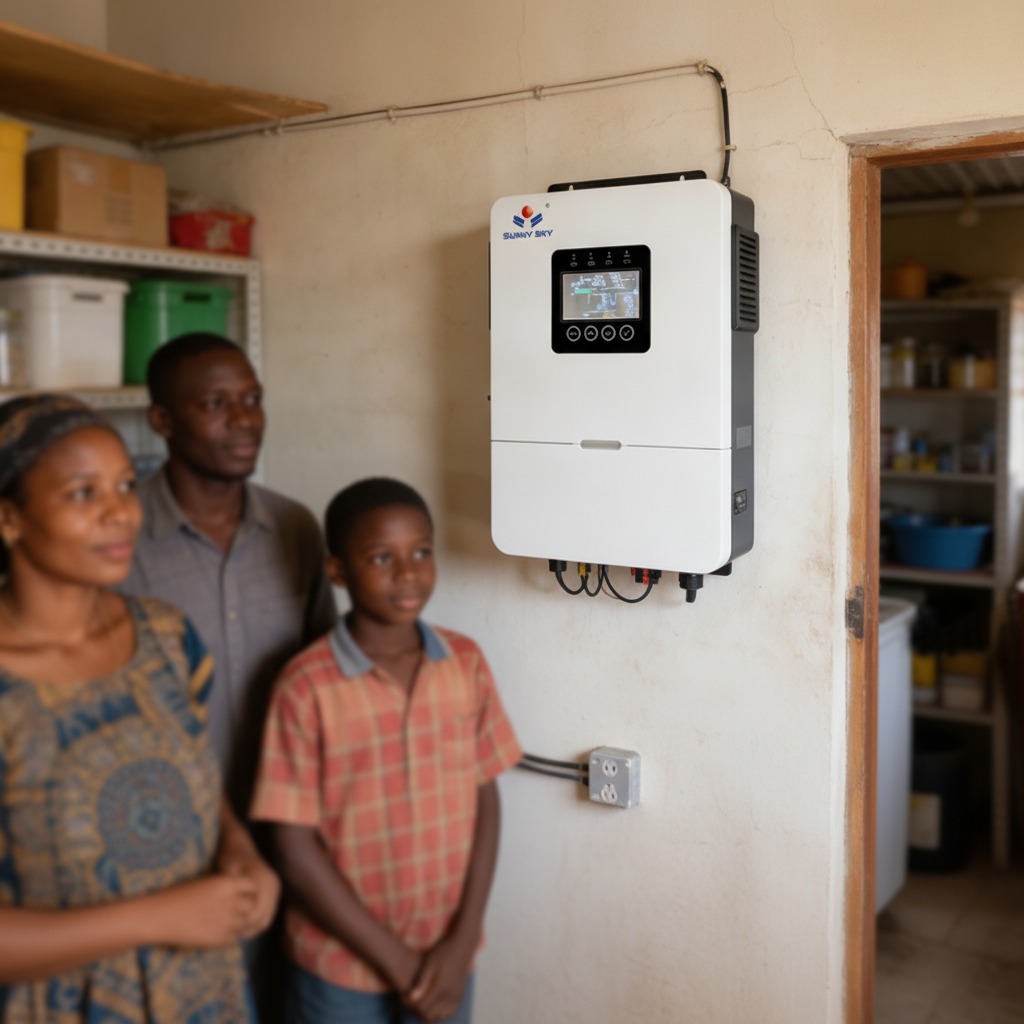
In the realm of Solar Inverter Technology, Hybrid Solar Inverters stand in sharp contrast to Grid-Tied Inverters. While Grid-Tied Inverters are designed primarily to convert solar energy into grid-compatible electricity, they often fail to operate independently during power outages, relying heavily on the grid for functionality. On the other hand, Hybrid Solar Inverters incorporate Energy Storage Solutions, allowing them to store excess energy in batteries for later use, which provides a significant advantage in terms of reliability and autonomy. For instance, in a residential setting, a Hybrid Solar Inverter can switch to Off-Grid Inverter mode during blackouts, ensuring uninterrupted power supply, whereas a Grid-Tied Inverter might simply shut down. This comparison highlights the Hybrid Inverter Benefits, such as enhanced energy independence and reduced reliance on fossil fuels, making it a more robust option for Renewable Energy Inverters in modern homes.
Contrasting Hybrid Inverters with Off-Grid and Other Solutions
Hybrid Solar Inverters also offer a compelling contrast when pitted against Off-Grid Inverters and other energy management systems. Off-Grid Inverters are tailored for remote locations where grid access is unavailable, focusing on battery storage to sustain power entirely from solar sources, but they often lack the seamless integration that Hybrid models provide with existing grids. In comparison, a Hybrid Solar Inverter can function in both grid-connected and standalone modes, making it far more versatile for Residential Solar Inverter applications where energy demands fluctuate. For example, while Energy Storage Solutions in Off-Grid systems might require oversized batteries to handle peak loads, Hybrid Inverters optimize storage usage by intelligently drawing from the grid when solar production is low, thereby reducing costs and improving efficiency. This bidirectional capability, akin to advanced Bidirectional Inverter designs, sets Hybrid Solar Inverters apart from purely off-grid options, as they promote a balanced approach to Solar Power Systems that minimizes waste and maximizes sustainability. Additionally, when evaluated against general Renewable Energy Inverters, the Hybrid variant excels in scenarios requiring hybrid setups, offering users greater control and cost savings over time.
The Advantages of Hybrid Inverter Technology in Modern Energy Landscapes
In today's energy-conscious world, the Hybrid Solar Inverter's ability to integrate with various components, such as PV inputs for solar panels and battery inputs for storage, provides a clear edge over less adaptive systems. For instance, unlike basic Grid-Tied Inverters that may not support parallel connections for scaling, Hybrid models allow multiple units to be linked, enabling users to expand their systems as needs grow without compromising performance. This level of scalability and integration contrasts sharply with the limitations of traditional Off-Grid Inverters, which often demand custom configurations and higher upfront investments. Moreover, the Hybrid Inverter Benefits extend to user-friendly features like USB interfaces for monitoring and RS-485 for reliable communication, ensuring that homeowners can manage their Solar Power Systems with ease. By fostering a more efficient and eco-friendly energy ecosystem, Hybrid Solar Inverters not only outperform their counterparts in terms of versatility and reliability but also contribute to long-term savings, making them a pivotal choice for anyone invested in sustainable living.