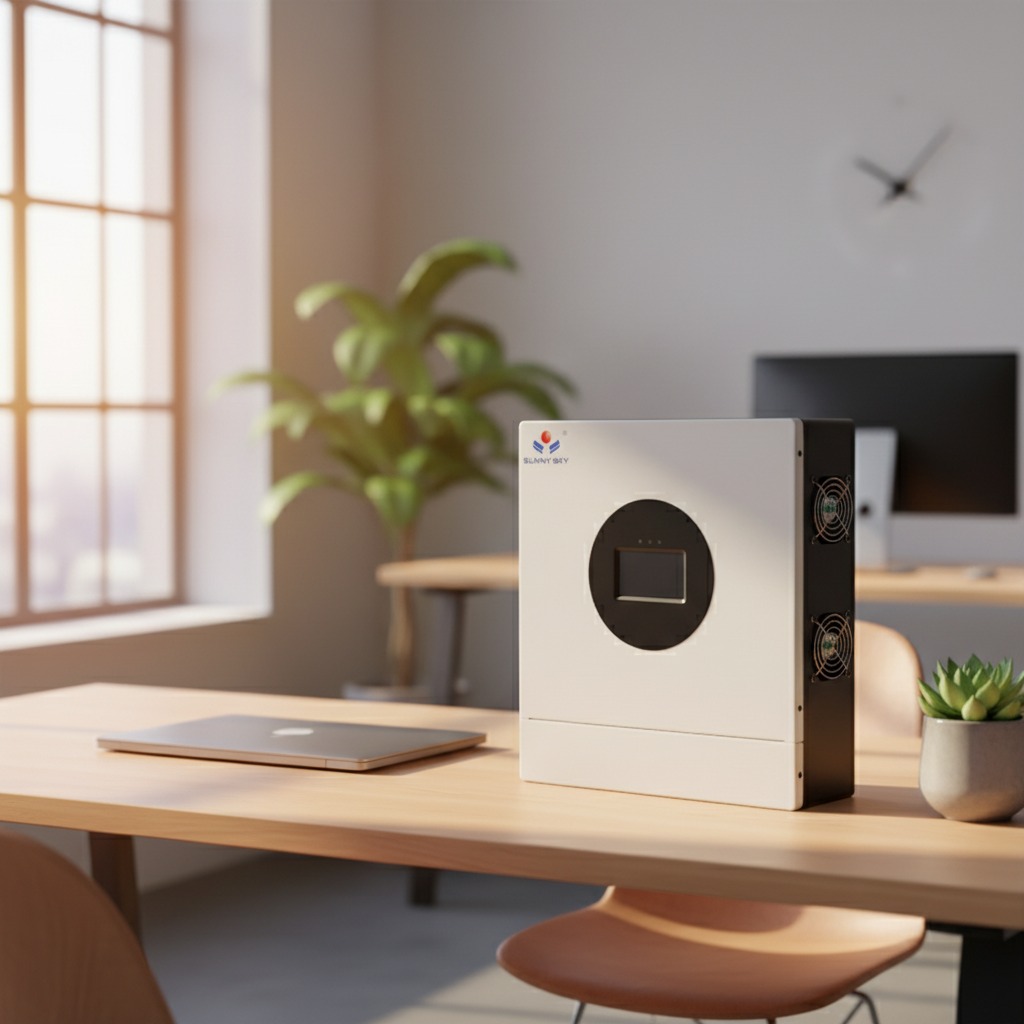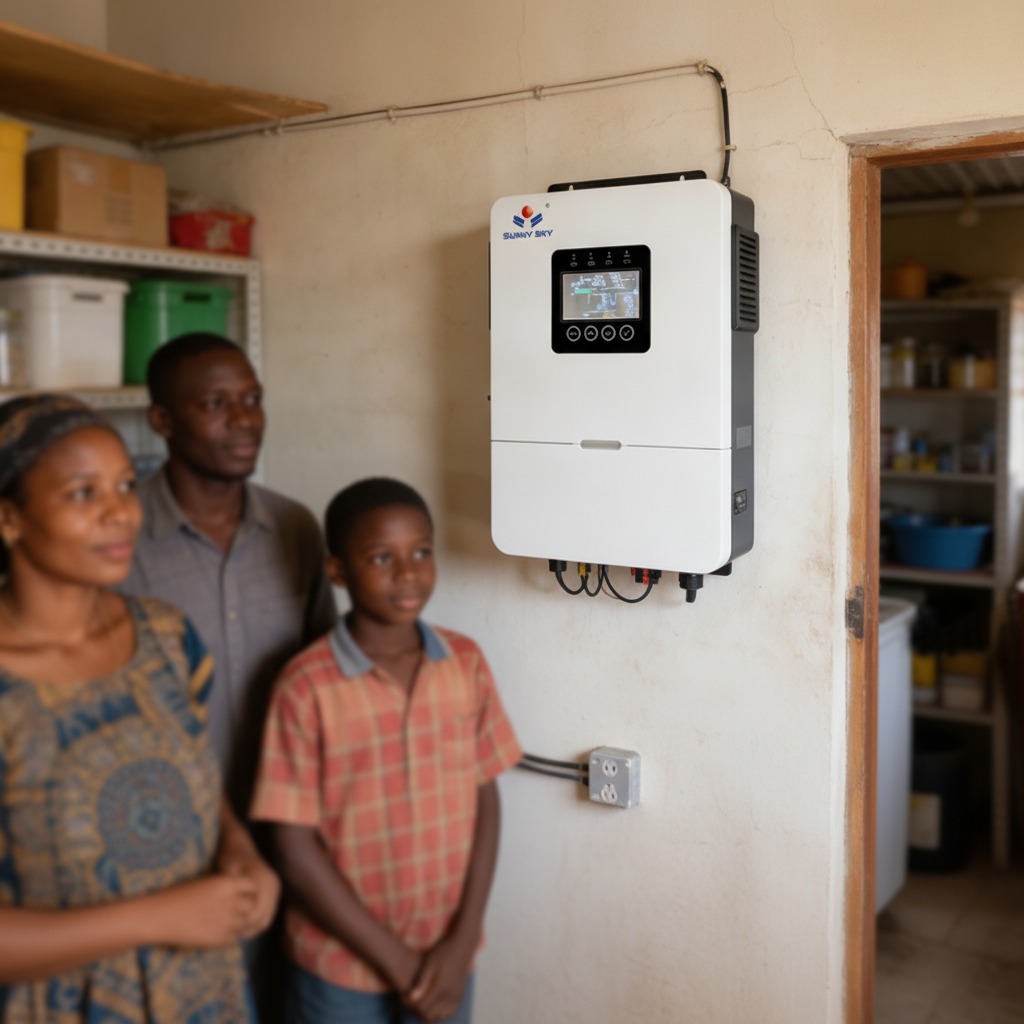
Hybrid Solar Inverter technology represents a significant advancement in renewable energy solutions, offering a versatile option that combines the best of both solar power generation and energy storage. This type of inverter allows for seamless integration of solar panels with batteries, enabling users to store excess energy for later use or feed it back into the grid when needed. When compared to traditional inverters, hybrid models provide greater flexibility, making them ideal for homes and businesses seeking reliable power. For instance, while Bidirectional Inverter capabilities are a key feature in hybrid systems, allowing energy to flow in both directions, other inverters might lack this bidirectional functionality.
Comparing Hybrid Solar Inverters with Grid-Tied Inverters
Grid-Tied Inverter systems are designed primarily for setups connected to the electrical grid, where they convert solar energy into usable power and send surpluses back to the utility. In contrast, Hybrid Solar Inverter setups excel by incorporating energy storage solutions, which Grid-Tied Inverter models often do not. This means that during a power outage, a hybrid system can continue supplying electricity from stored batteries, whereas a grid-tied inverter would shut down for safety reasons. Solar Power Systems using hybrid inverters offer enhanced reliability for residential use, as they can switch between grid power, solar, and battery sources automatically. On the downside, hybrid inverters tend to be more complex and costly upfront compared to grid-tied options, which prioritize simplicity and lower initial investment. However, the long-term benefits of energy independence and potential savings on utility bills make hybrid inverters a smarter choice for those prioritizing sustainability.
Contrasting Hybrid Inverters with Off-Grid Inverters
Off-Grid Inverter systems are tailored for locations without access to the main power grid, relying entirely on batteries and renewable sources like solar for energy. In comparison, Hybrid Solar Inverter technology provides a middle ground by allowing connection to the grid when available, offering more adaptability than purely Off-Grid Inverter designs. For example, in areas with inconsistent sunlight, a hybrid system can draw from the grid or stored energy, whereas an off-grid setup might require larger battery banks to compensate. Renewable Energy Inverters, such as hybrids, also integrate advanced features like monitoring and smart controls, which can optimize energy use more effectively than basic off-grid models. While Off-Grid Inverter solutions emphasize complete autonomy, hybrid inverters contrast this by blending independence with grid support, making them suitable for Residential Solar Inverter applications where power reliability is crucial. This flexibility comes at a cost, as hybrid systems may have higher maintenance needs due to their multifaceted components.
Exploring the Benefits and Drawbacks in Solar Inverter Technology
When delving deeper into Solar Inverter Technology, the advantages of Hybrid Inverter Benefits become evident, such as improved energy efficiency and the ability to manage multiple power sources simultaneously. Energy Storage Solutions integrated with hybrid inverters allow for better handling of peak demand times, contrasting with simpler inverter types that might not support such features. For instance, a hybrid inverter can prioritize solar power during the day and switch to batteries at night, whereas a standard inverter might not offer this level of control. On the other hand, the complexity of Hybrid Solar Inverter systems can lead to higher failure rates if not properly maintained, unlike the straightforward design of basic inverters. Overall, for users invested in long-term Renewable Energy Inverters, the hybrid approach provides a balanced solution that contrasts with the limitations of more specialized systems, promoting a more sustainable and efficient energy future.