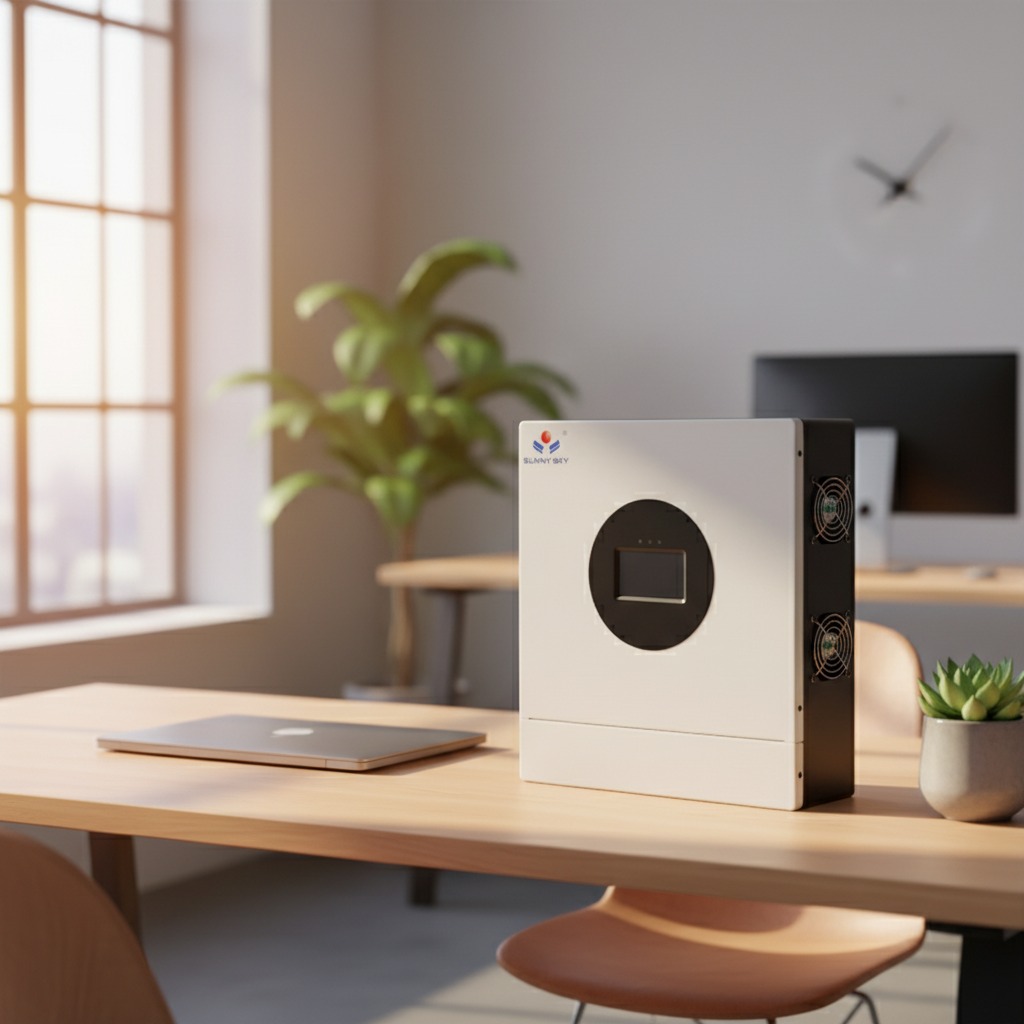
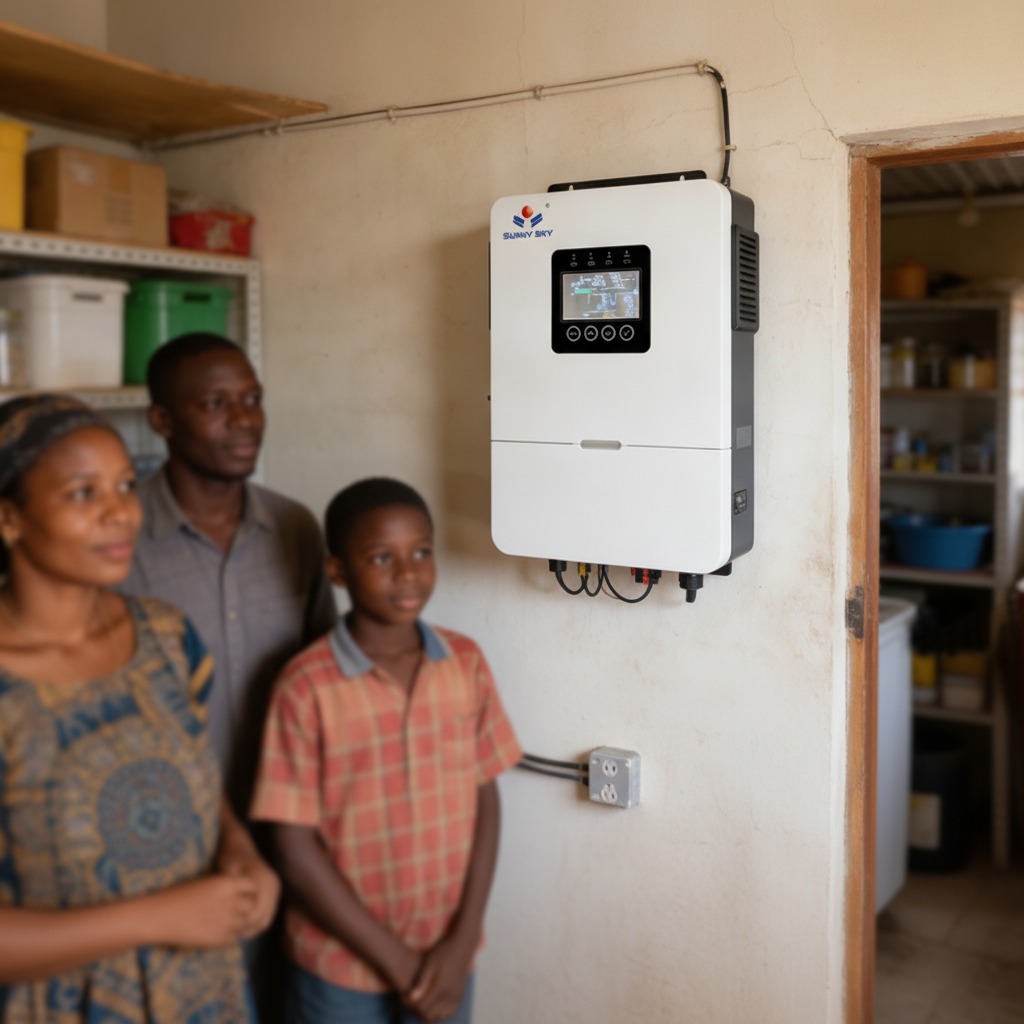
Hybrid Solar Inverter technology is revolutionizing the way we harness and manage renewable energy, offering a seamless blend of solar power systems and energy storage solutions. As the demand for sustainable energy grows, hybrid solar inverters stand out for their ability to integrate both solar and grid sources efficiently, making them ideal for residential solar inverter setups. This article explores the key features of hybrid solar inverters while comparing and contrasting them with other types like grid-tied inverters and off-grid inverters.
Comparing Hybrid Solar Inverters to Grid-Tied Inverters
In comparing hybrid solar inverters to grid-tied inverters, one key difference lies in their energy management capabilities. Grid-tied inverters are designed primarily to feed excess solar power back into the utility grid, making them suitable for areas with reliable electricity supply. However, they lack built-in energy storage solutions, which means they cannot store power for use during outages. On the other hand, hybrid solar inverters incorporate bidirectional inverter functionality, allowing them to store energy in batteries and switch seamlessly between solar, grid, and stored power. For instance, while a grid-tied inverter might excel in renewable energy inverters for cost savings through net metering, a hybrid solar inverter provides greater resilience by enabling off-grid operations during blackouts. This contrast highlights how hybrid solar inverters offer more versatility for residential users, though they may come at a higher initial cost compared to the simpler grid-tied systems.
Contrasting Hybrid Solar Inverters with Off-Grid Inverters
When contrasting hybrid solar inverters with off-grid inverters, the focus shifts to independence and integration. Off-grid inverters are tailored for locations without access to the main power grid, relying solely on solar power systems and battery storage to meet energy needs. They are often more robust in isolated settings but can be less efficient when grid power is available, as they don't allow for easy switching to external sources. Hybrid solar inverters, however, provide a balanced approach by combining the best of both worlds: they can operate off-grid when necessary but also connect to the grid for backup, optimizing energy use and reducing waste. For example, in a residential solar inverter setup, a hybrid model might use its bidirectional inverter features to charge batteries from the grid during low solar periods, whereas an off-grid inverter would require manual intervention. This makes hybrid solar inverters a more adaptive choice for modern homes, though off-grid options might be preferable in remote areas where grid access is nonexistent.
Exploring the Benefits and Drawbacks in Energy Storage Solutions
Delving deeper into energy storage solutions, hybrid solar inverters shine in their ability to enhance overall system efficiency compared to traditional solar inverter technology. Unlike basic inverters that merely convert DC to AC, hybrid models actively manage energy flow, prioritizing solar power systems before drawing from the grid or batteries. This results in lower energy bills and a reduced carbon footprint, making them a smart investment for environmentally conscious consumers. However, when placed against other renewable energy inverters, hybrid solar inverters may have a higher complexity, requiring more maintenance due to their multifaceted components. In contrast, simpler inverters like those in grid-tied systems offer straightforward installation but miss out on the advanced features that make hybrid solar inverters ideal for long-term sustainability. Ultimately, the choice depends on specific needs: for users seeking a comprehensive, all-in-one solution, hybrid solar inverters provide undeniable advantages, ensuring reliable power even as energy demands evolve.