Introduction to Hybrid Solar Inverters
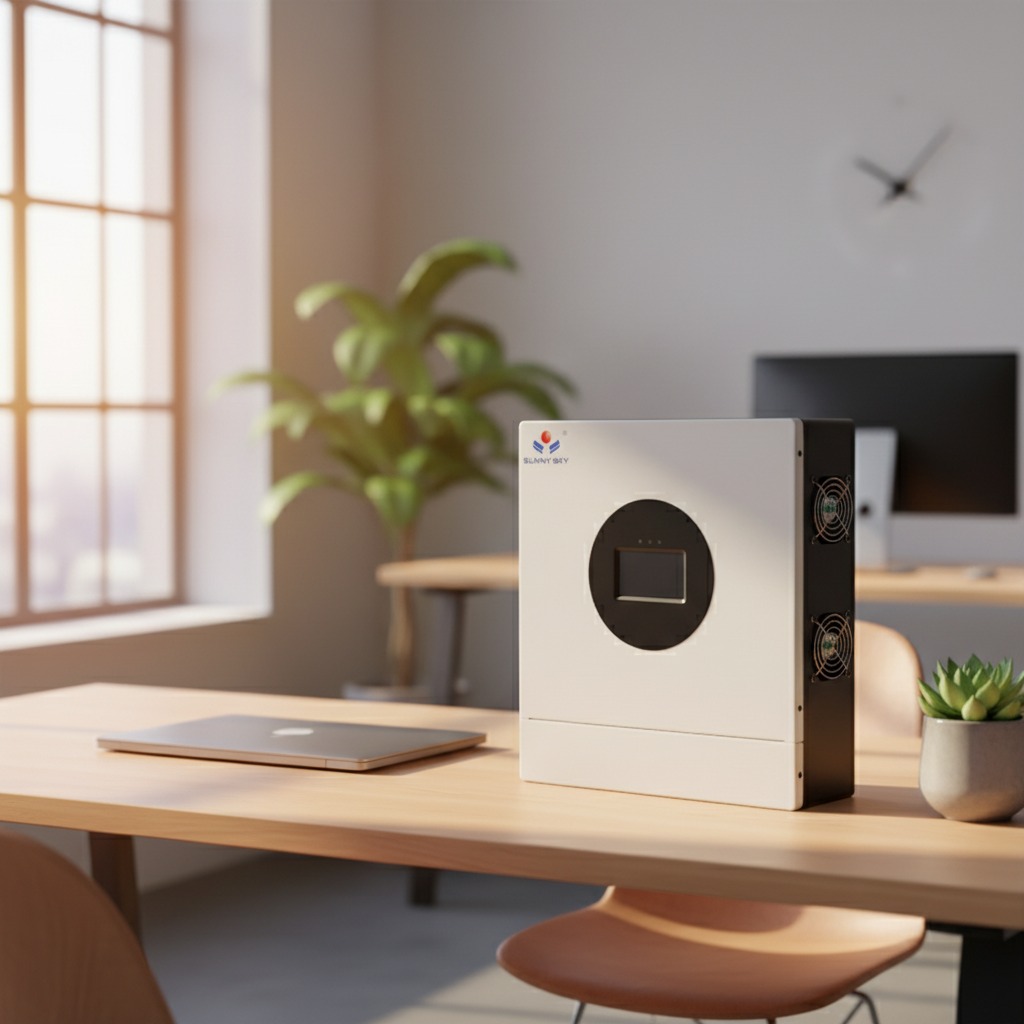
Hybrid Solar Inverter technology stands at the forefront of modern energy solutions, seamlessly blending solar power with other sources for enhanced efficiency and reliability. This innovative system allows for bidirectional energy flow, making it a versatile choice for both residential and commercial applications. When comparing hybrid solar inverters to traditional options, we see clear advantages in integration and adaptability. For instance, while grid-tied inverters rely heavily on the main power grid, hybrid models like the ones described in the product info can switch effortlessly between solar, battery, and grid sources, providing a more robust solution during outages. This comparison highlights how hybrid inverters offer greater energy independence compared to their grid-tied counterparts, which lack the built-in storage capabilities.
Hybrid Solar Inverters Versus Grid-Tied and Off-Grid Options
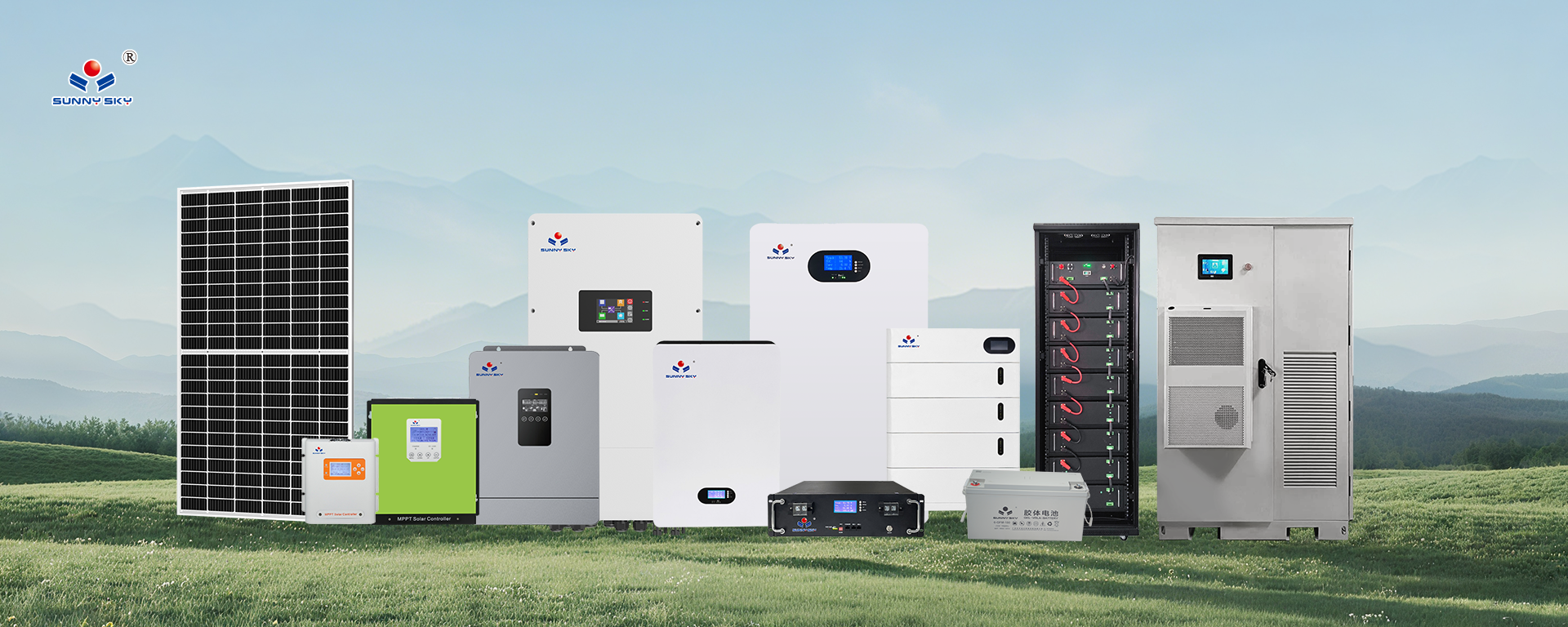
When contrasting hybrid solar inverters with grid-tied inverters, the differences in functionality become evident. Grid-tied inverters, such as those commonly used in Solar Power Systems, feed excess energy back to the grid but fail in scenarios without grid access, making them less reliable for remote areas. In contrast, hybrid solar inverters incorporate features like battery input for energy storage solutions, allowing users to store surplus power for later use, which grid-tied systems cannot do effectively. On the other hand, off-grid inverters provide complete independence from the grid, ideal for isolated locations, but they often require larger battery setups and lack the seamless integration that hybrid inverters offer with both grid and solar sources. For example, the Advanced Hybrid Inverter mentioned in the product info includes AC input and output for easy grid connection, while still supporting off-grid operations through its PV and battery inputs, making it a more flexible choice than pure off-grid or grid-tied inverters.
Benefits and Technological Advantages of Hybrid Inverters
The benefits of hybrid inverter technology extend to areas like energy storage solutions and renewable energy inverters, where they outperform traditional models in efficiency and user control. Bidirectional inverters, a key feature in hybrid systems, enable energy to flow in both directions—storing excess solar power in batteries and drawing from them when needed—unlike standard residential solar inverters that simply convert DC to AC without storage. In comparison, solar inverter technology in hybrid models, as seen in the 3K5K inverter, includes intuitive LCD displays for real-time monitoring, allowing users to optimize their systems for peak performance, whereas older technologies might require manual adjustments. Additionally, hybrid inverters support scalable installations via parallel ports, contrasting with the limitations of standalone off-grid inverters that may not expand as easily. This adaptability makes hybrid inverters particularly suitable for growing energy needs in homes, providing a balanced approach that combines the strengths of grid-tied and off-grid systems while minimizing their weaknesses.
Practical Applications and Future Prospects
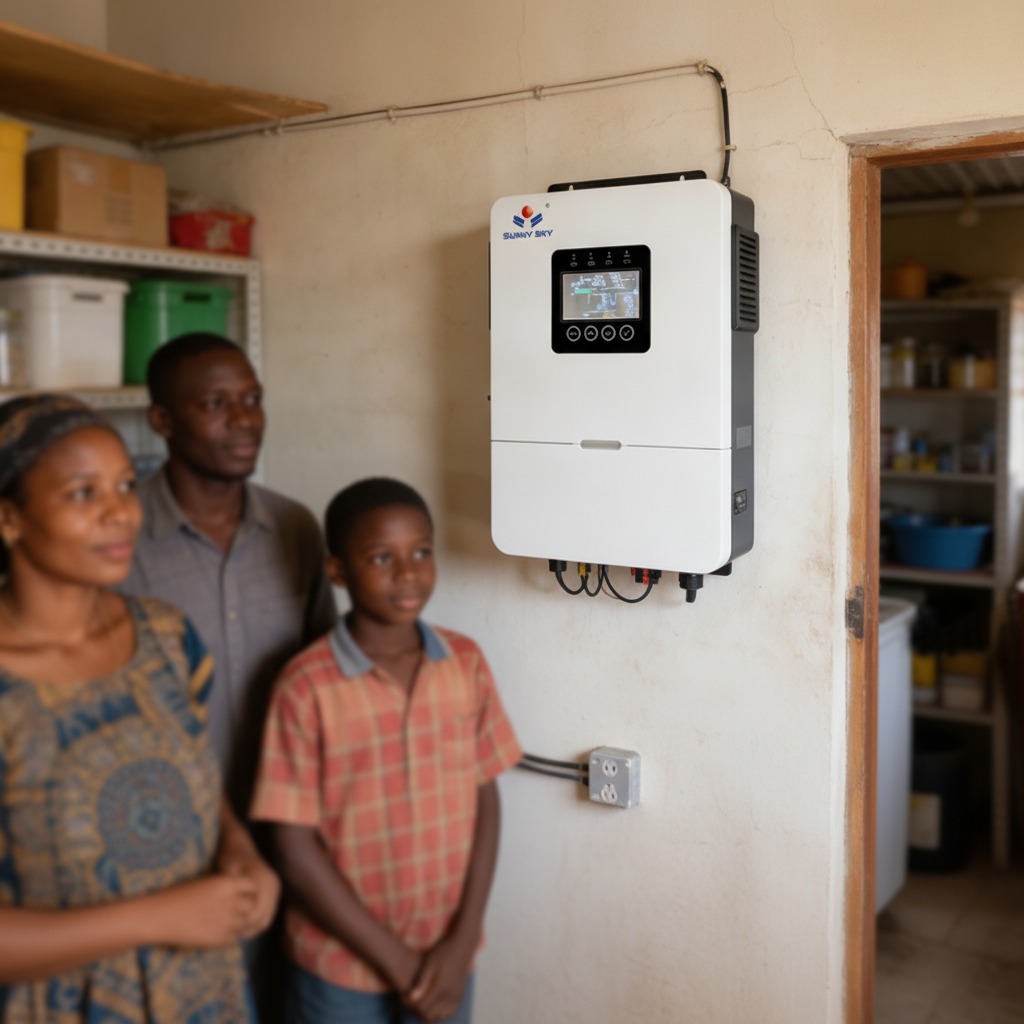
In practical terms, hybrid solar inverters shine in residential settings by integrating with existing setups, such as through USB ports for data management and RS-485 for advanced connectivity, which enhance user interaction and system reliability. When compared to conventional solar power systems, hybrids offer superior energy management, as evidenced by the LCD display's real-time flow diagrams that visualize energy production and consumption, helping users make informed decisions. For instance, while renewable energy inverters in general promote sustainability, hybrid versions add value by reducing dependency on non-renewable sources during low solar periods, contrasting with the potential inefficiencies of basic grid-tied inverters. Looking ahead, the evolution of hybrid inverter benefits, including better energy storage and smart features, positions them as a forward-thinking solution in the shift towards sustainable living, outpacing older technologies in both performance and environmental impact.