Understanding Hybrid Solar Inverters: Powering the Future of Energy
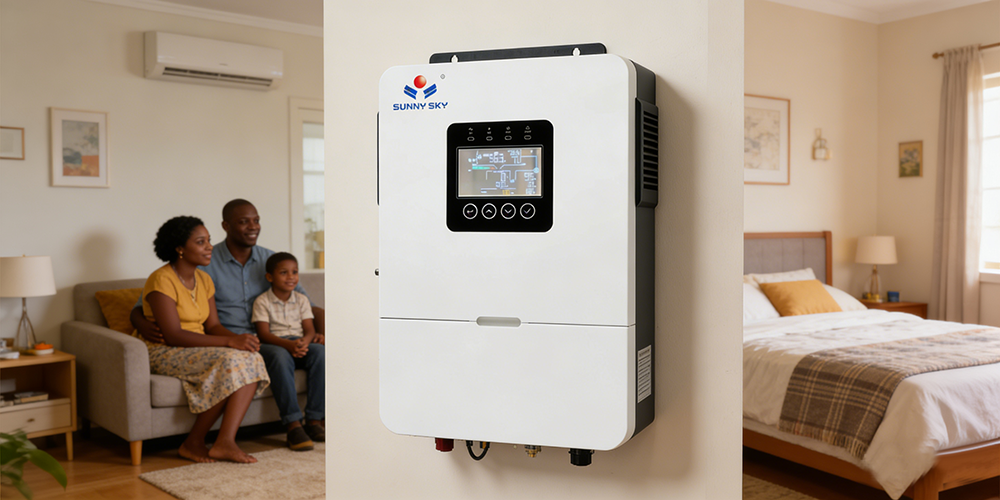
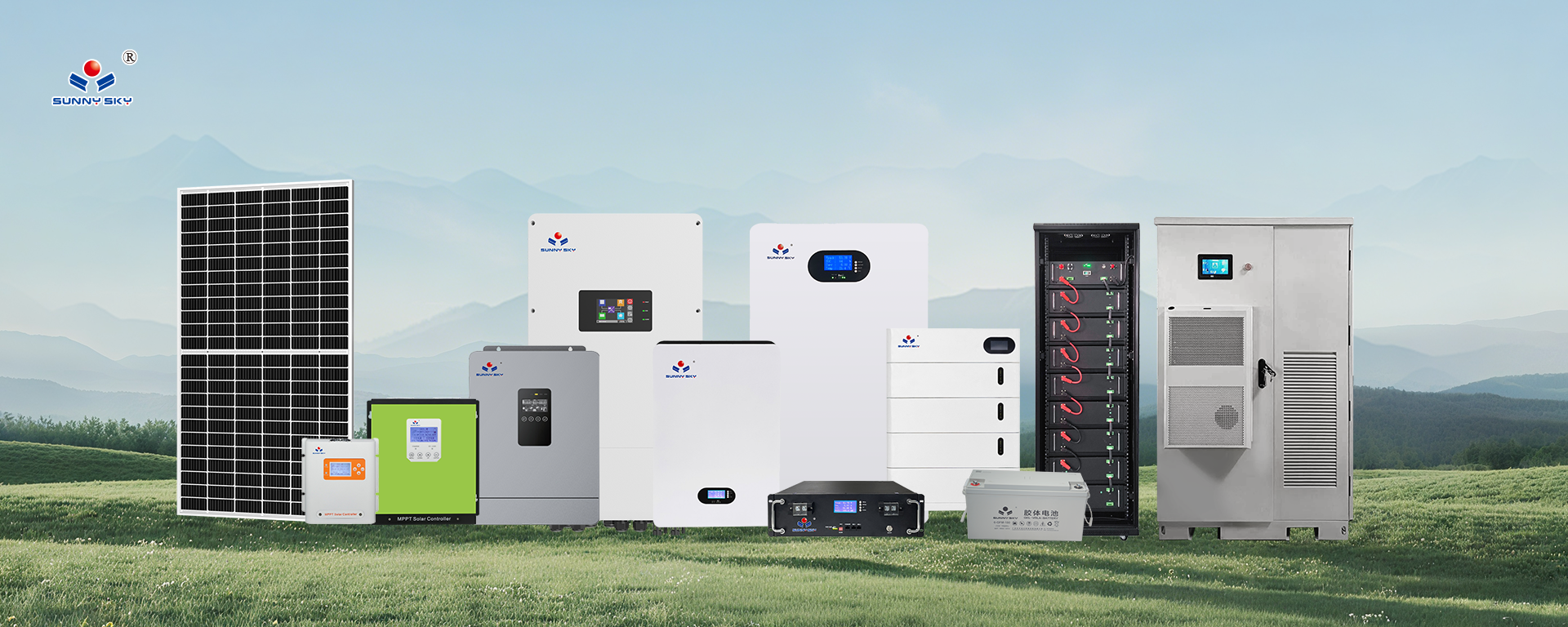
In the evolving landscape of renewable energy, the hybrid solar inverter stands as a pivotal technology for integrating solar power with traditional grid systems and battery storage. Developed by innovators like Guangzhou Tianyuan Solar Equipment CO.,LTD, under the SUNNYSKY brand, this device exemplifies advanced energy management. A hybrid solar inverter seamlessly blends solar generation, battery charging, and grid interaction, enabling users to optimize energy use in residential and commercial settings. With independent R&D and patented technologies, SUNNYSKY has deployed these solutions to over 50 countries, emphasizing stability, performance, and sleek design that aligns with modern aesthetics.
Key Features of the Best Hybrid Solar Inverter
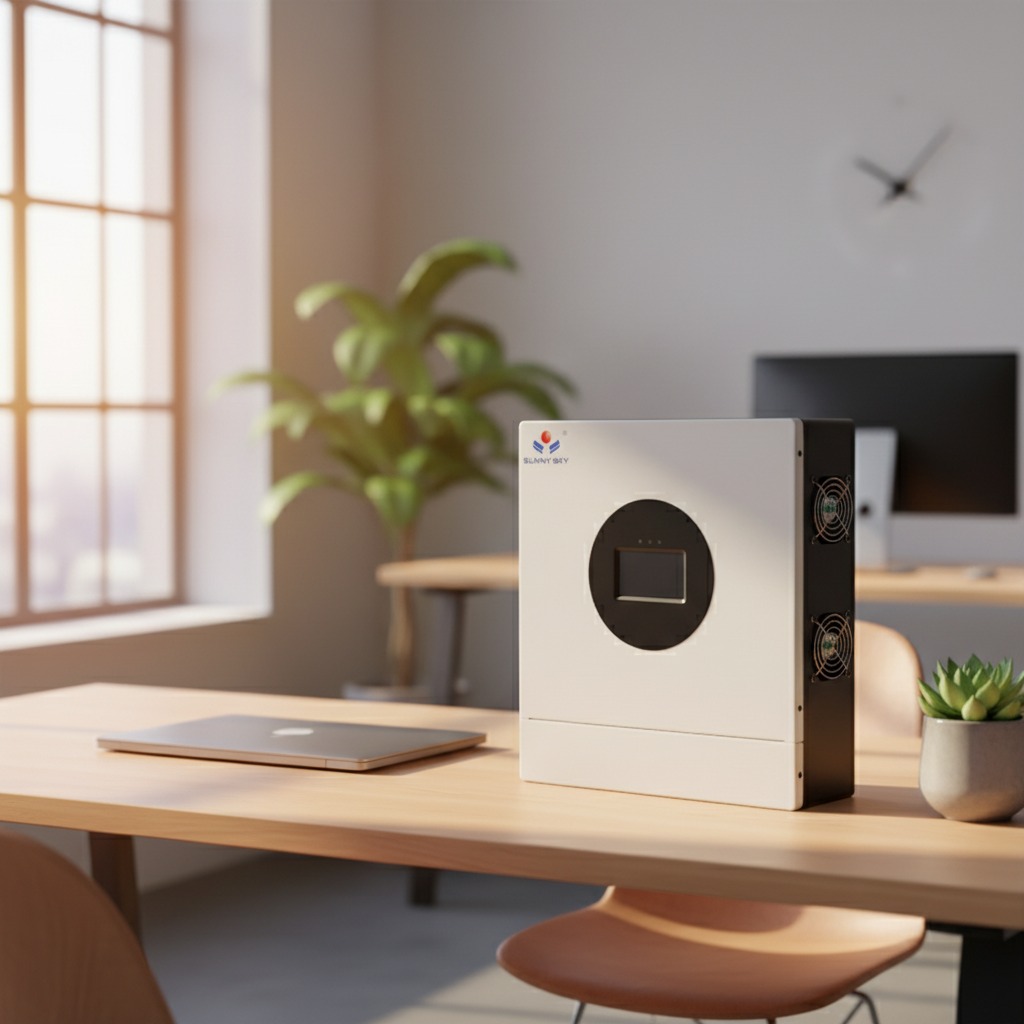
When evaluating the best hybrid solar inverter, factors like power capacity, efficiency, and user interface are paramount. The 12KW hybrid solar inverter from SUNNYSKY delivers robust performance with a clean, matte white finish and rounded corners, resembling a premium smart device rather than industrial equipment. Its central black control panel features an integrated LCD display that provides real-time insights into system status, power flow, and battery metrics. Touch-style buttons ensure intuitive operation, while side ventilation maintains thermal stability for reliable long-term use. This model supports intelligent coordination of solar panels, batteries, grid input, and loads, making it ideal for larger homes, villas, offices, and small commercial sites. SUNNYSKY's commitment to innovation shines through in its patented designs, which enhance energy efficiency and reduce carbon emissions, aligning with global sustainability goals.
Hybrid Solar Inverter Price and Value Proposition
The hybrid solar inverter price varies based on capacity and features, but SUNNYSKY's 12KW model offers exceptional value for its advanced capabilities. Priced competitively for its power class, it justifies the investment through hybrid inverter benefits such as maximized solar self-consumption and seamless backup during outages. Unlike basic models, this inverter's hybrid technology allows for bidirectional energy flow, storing excess solar power in batteries for nighttime use or selling surplus back to the grid. From a technical standpoint, it achieves high conversion efficiency—often exceeding 95%—minimizing energy losses. Guangzhou Tianyuan Solar Equipment CO.,LTD's focus on R&D ensures that the price reflects premium quality, with features like overcurrent protection and MPPT (Maximum Power Point Tracking) for optimal solar harvesting. For clients seeking top rated hybrid solar inverters, SUNNYSKY's product stands out for its balance of affordability and sophistication, supporting energy independence without compromising on reliability.
Hybrid Solar Inverter Reviews: Real-World Performance
Hybrid solar inverter reviews consistently praise the integration of aesthetics and functionality in models like SUNNYSKY's 12KW unit. Users report effortless transitions between energy sources, with the LCD interface providing clear visibility into performance indicators. In-depth analyses highlight its superior heat dissipation via side vents, ensuring stable operation under high loads. Compared to traditional setups, this inverter reduces installation complexity by combining multiple functions into one unit. Feedback from installations in diverse climates underscores its durability, with minimal maintenance required due to self-diagnostic features. SUNNYSKY's global reach, serving over 50 countries, is bolstered by positive reviews on energy savings—up to 30% in self-consumption rates. The subtle logo and minimalist design also receive acclaim for blending seamlessly into modern spaces, enhancing the overall user experience.
Hybrid Inverter Benefits and Technological Advantages
The hybrid inverter benefits extend beyond basic power conversion, offering scalable solutions for evolving energy needs. Technically, it employs advanced algorithms for load balancing and peak shaving, preventing grid overloads while prioritizing renewable sources. In contrast to a standard solar inverter, which solely converts DC to AC from panels, the hybrid version incorporates battery management and grid-tie capabilities, enabling off-grid operation during blackouts. SUNNYSKY's solar energy hybrid inverter leverages MPPT technology to extract maximum power from varying sunlight conditions, boosting overall system efficiency. This is particularly beneficial in hybrid inverter technology, where AI-driven monitoring predicts usage patterns and optimizes charging cycles. For environmentally conscious users, it facilitates reduced reliance on fossil fuels, aligning with SUNNYSKY's mission to deliver reliable, innovative green energy.
Installing Hybrid Solar Inverter: Best Practices
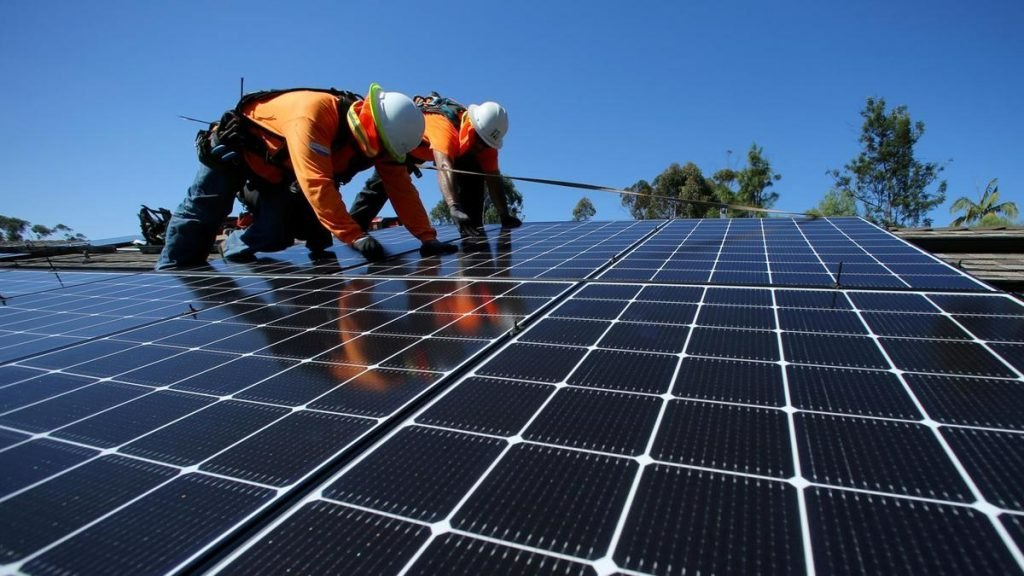
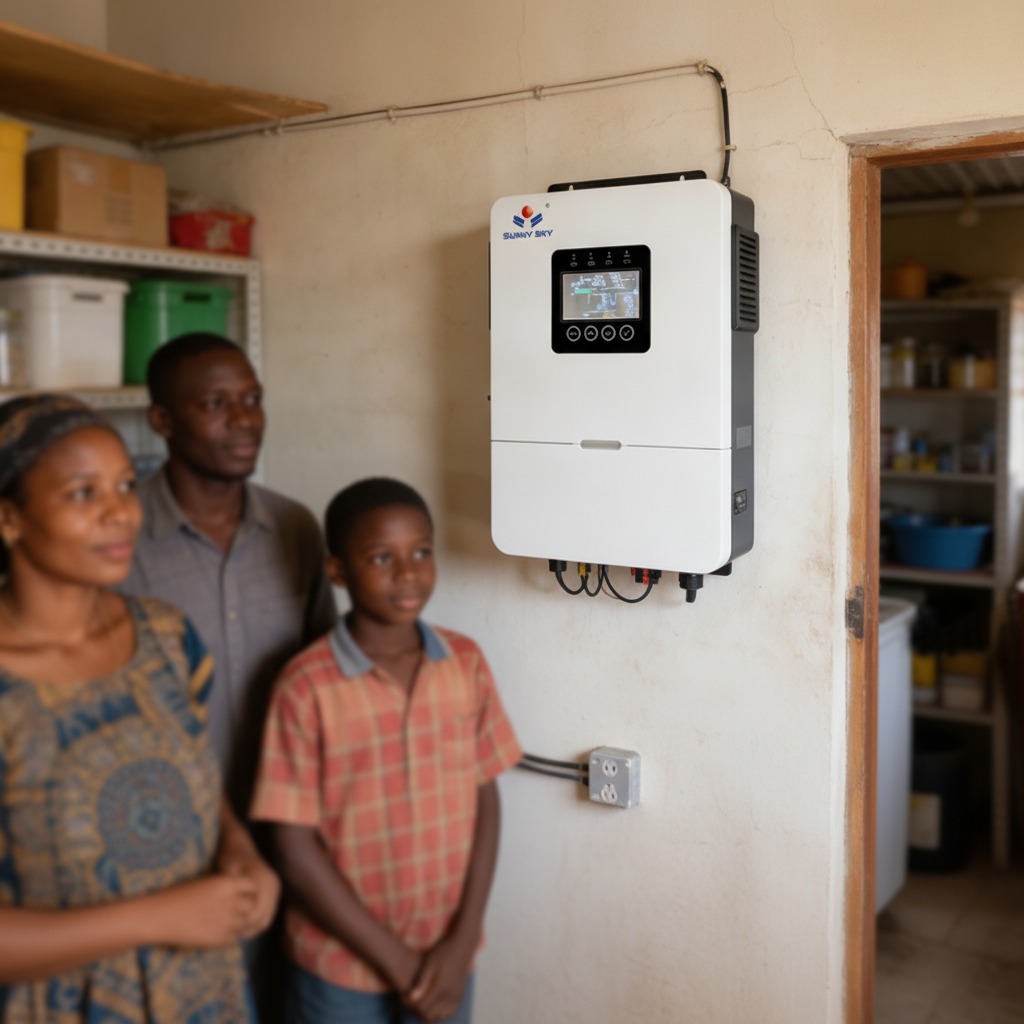
Installing hybrid solar inverter requires careful planning to ensure safety and efficiency. Begin by assessing site requirements, such as proximity to solar arrays and battery banks, with SUNNYSKY's 12KW model designed for straightforward mounting in indoor or sheltered outdoor environments. Professional installation is recommended, involving electrical wiring for AC/DC inputs and compliance with local codes. The process includes configuring the inverter for grid-tie or off-grid modes via its intuitive interface. Post-installation, calibration of sensors ensures accurate power tracking. SUNNYSKY provides comprehensive support, including factory visits just 20 minutes from Guangzhou Baiyun International Airport, with complimentary pickups for global clients. This hands-on approach aids in understanding the system's nuances, from firmware updates to integration with smart home ecosystems.
Hybrid Inverter vs. Solar Inverter: A Technical Comparison
Distinguishing between a hybrid inverter vs. solar inverter reveals key differences in versatility. A solar inverter focuses on DC-to-AC conversion for immediate use or grid export, lacking native battery support. Conversely, the hybrid solar inverter integrates storage management, allowing energy arbitrage—storing low-cost solar power for high-demand periods. Technically, hybrids feature dual MPPT trackers for multi-array configurations, enhancing flexibility in complex setups. SUNNYSKY's top rated hybrid solar inverters excel here, offering programmable priorities like solar-first or grid-support modes. This comparison underscores the hybrid's edge in resilience, with built-in UPS functionality providing instantaneous backup, unlike standalone solar inverters that require additional components.
Advancements in Hybrid Inverter Technology
Hybrid inverter technology continues to advance, with SUNNYSKY at the forefront through continuous R&D investments. Modern units like the 12KW model incorporate IoT connectivity for remote monitoring via apps, enabling real-time adjustments and predictive maintenance. Enhanced power electronics reduce harmonic distortion, ensuring clean output for sensitive electronics. As solar adoption grows, these inverters support microgrid formations, ideal for community energy sharing. SUNNYSKY's dedication to innovation not only improves efficiency but also lowers total ownership costs, making hybrid solutions accessible for sustainable energy transitions worldwide.