Understanding the Hybrid Solar Inverter: A Technical Overview
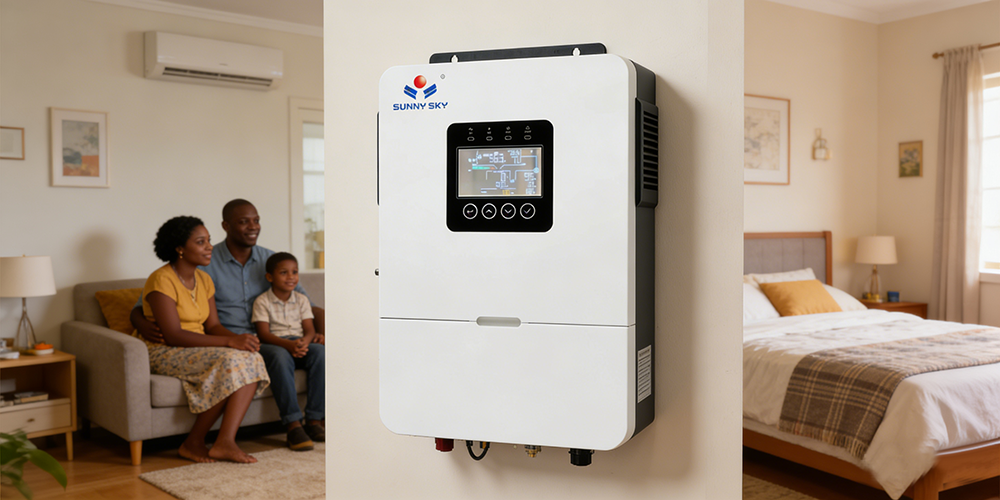
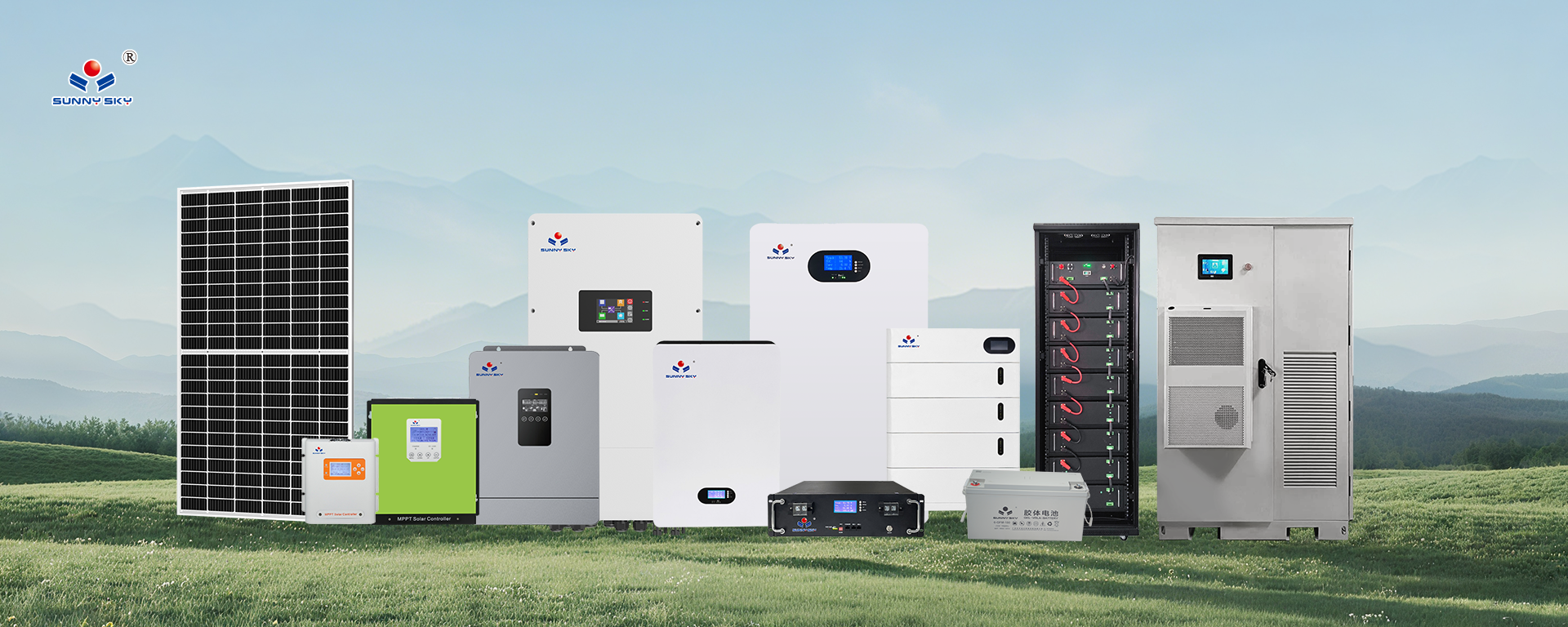
In the evolving landscape of renewable energy systems, the hybrid solar inverter stands as a pivotal component, seamlessly integrating solar power with grid and battery storage. This versatile device not only converts DC power from solar panels into AC power for household or commercial use but also manages multiple energy sources intelligently. At Guangzhou Tianyuan Solar Equipment CO.,LTD, our SUNNYSKY brand exemplifies this technology through products like the 12KW hybrid solar inverter, designed for optimal performance in diverse applications.
Key Features of Hybrid Solar Inverter Technology
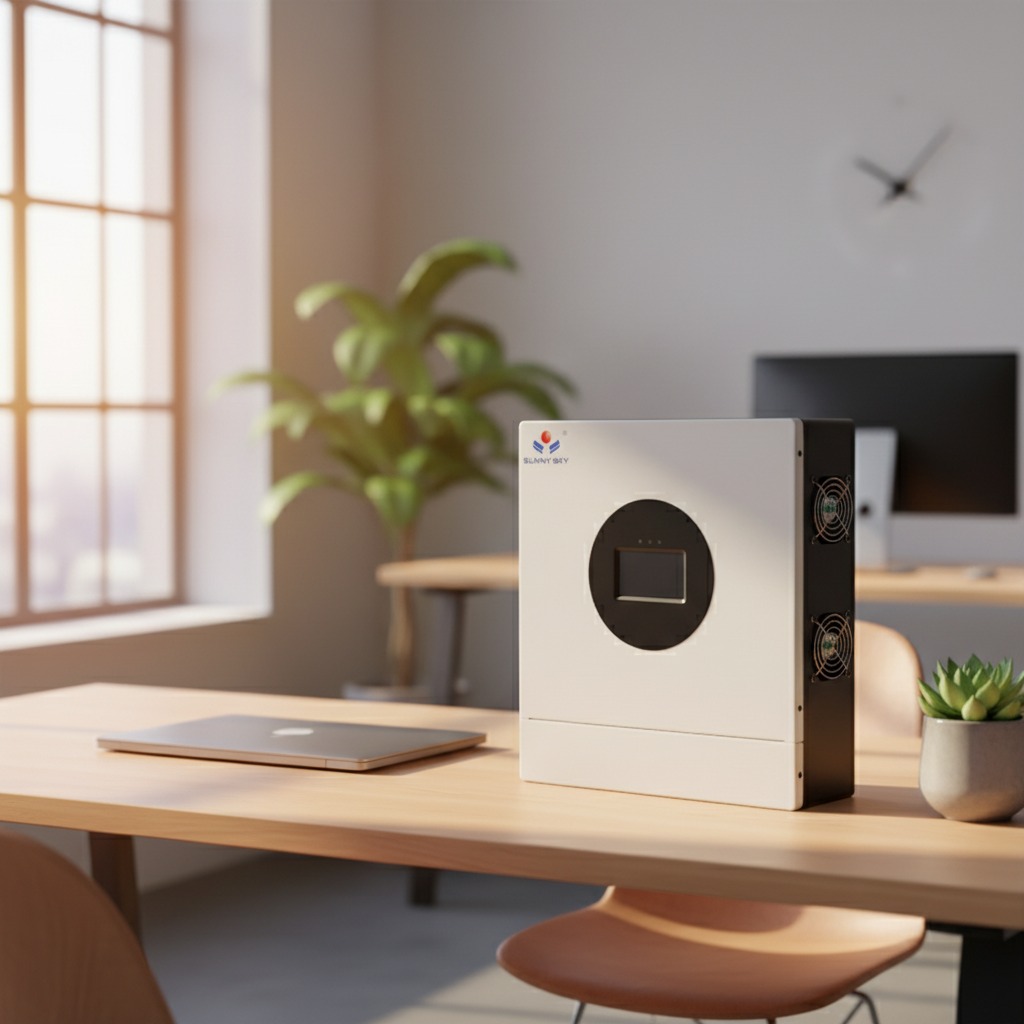
Hybrid inverter technology represents a significant advancement over traditional inverters, incorporating advanced power electronics and control algorithms to handle solar input, battery charging, and grid interaction. Unlike standard solar inverters that solely convert DC to AC, a hybrid solar inverter includes built-in charge controllers and energy management systems. For instance, the SUNNYSKY 12KW model features an integrated MPPT (Maximum Power Point Tracking) charge controller that maximizes solar energy harvest by dynamically adjusting to varying sunlight conditions. This is achieved through sophisticated firmware that monitors voltage and current in real-time, ensuring efficiency rates often exceeding 98%. The unit's side ventilation structure enhances thermal management, utilizing forced air cooling to maintain operational temperatures below 60°C, which is crucial for preventing thermal throttling and extending component lifespan. In technical terms, the inverter's topology employs a multi-stage conversion process: first, DC-DC boosting from panels, followed by DC-AC inversion, and bidirectional flow for battery integration. This setup allows for seamless mode switching between grid-tied, off-grid, and hybrid operations, with fault-tolerant features like anti-islanding protection compliant with IEEE 1547 standards.
Hybrid Inverter vs. Solar Inverter: A Comparative Analysis
When evaluating hybrid inverter vs. solar inverter, the differences lie primarily in functionality and system integration. A standard solar inverter is optimized for grid-connected PV systems, focusing on unidirectional power flow from panels to the grid or loads. In contrast, the hybrid solar inverter supports bidirectional energy flow, enabling battery storage and backup power during outages. Technically, this requires additional circuitry, such as a bidirectional converter that can both charge batteries from excess solar or grid power and discharge them to support loads. The SUNNYSKY 12KW hybrid solar inverter, for example, offers a 12kW output capacity with surge handling up to 24kW, making it suitable for larger loads like HVAC systems or commercial appliances. Efficiency in hybrid systems is quantified by metrics like round-trip efficiency for battery cycles, typically around 95% in premium models, compared to 97% peak for pure solar inverters but without storage capabilities. This trade-off is justified by the enhanced energy independence, as hybrids can store surplus daytime generation for nighttime use, reducing reliance on the grid and lowering peak demand charges.
Benefits of Installing a Hybrid Solar Inverter
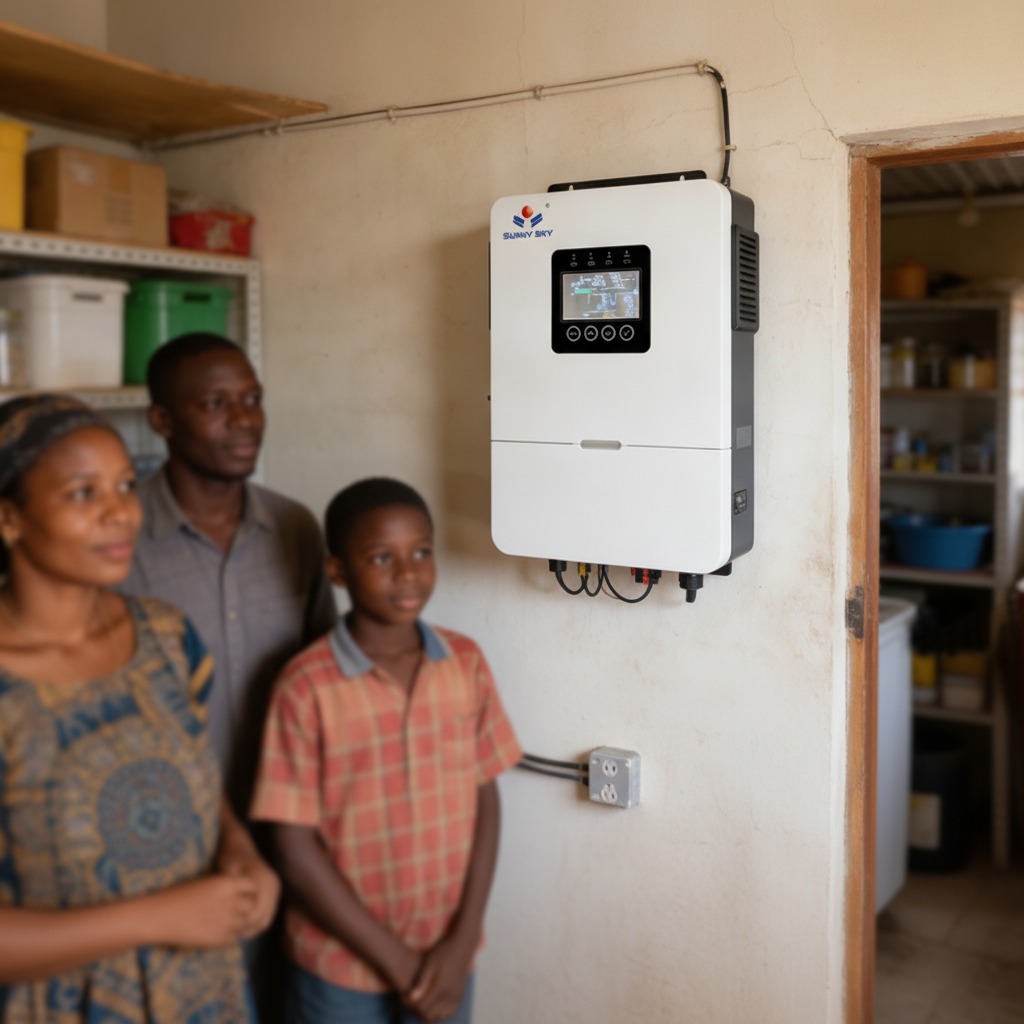
The hybrid inverter benefits extend beyond basic conversion, offering substantial gains in energy resilience and cost savings. One primary advantage is improved self-consumption rates; by prioritizing solar and battery power over grid draw, users can achieve up to 80% utilization of generated energy, as opposed to 30-40% in non-hybrid setups. From a technical perspective, this is facilitated by intelligent load management algorithms that forecast usage patterns via historical data and weather inputs, optimizing dispatch through proportional-integral-derivative (PID) controllers. Additionally, hybrid systems provide blackout protection, automatically switching to battery mode in under 10ms, ensuring uninterrupted power for critical loads. For the SUNNYSKY model, the minimalist white enclosure with a high-contrast black LCD panel not only aids in visual monitoring of metrics like SOC (State of Charge) and PV yield but also integrates RS485 and Wi-Fi for remote diagnostics, aligning with IoT standards for smart energy ecosystems. Environmentally, these inverters contribute to reduced carbon footprints by enabling higher renewable penetration, with our patented technologies at Guangzhou Tianyuan Solar Equipment CO.,LTD ensuring compliance with global efficiency norms like IEC 62109.
Best Hybrid Solar Inverter: Reviews and Pricing Insights
Selecting the best hybrid solar inverter involves scrutinizing hybrid solar inverter reviews for reliability and performance. Top rated hybrid solar inverters, such as the SUNNYSKY 12KW, consistently receive praise for their robust build and user-friendly interface, with the LCD displaying real-time data on power flow and system health. User feedback highlights the ease of firmware updates via USB, minimizing downtime. On hybrid solar inverter price, our model offers competitive value, typically ranging from $2,500 to $3,500 depending on regional distributors, justified by its 10-year warranty and low failure rate under 1% annually. Comparative reviews note superior noise levels below 50dB and expandable parallel operation up to 9 units for scalable systems. For solar energy hybrid inverter applications, this pricing reflects advanced features like zero-export control for grid-sensitive areas, ensuring regulatory compliance while maximizing ROI through energy bill reductions of 50-70% in sunny climates.
Guide to Installing a Hybrid Solar Inverter
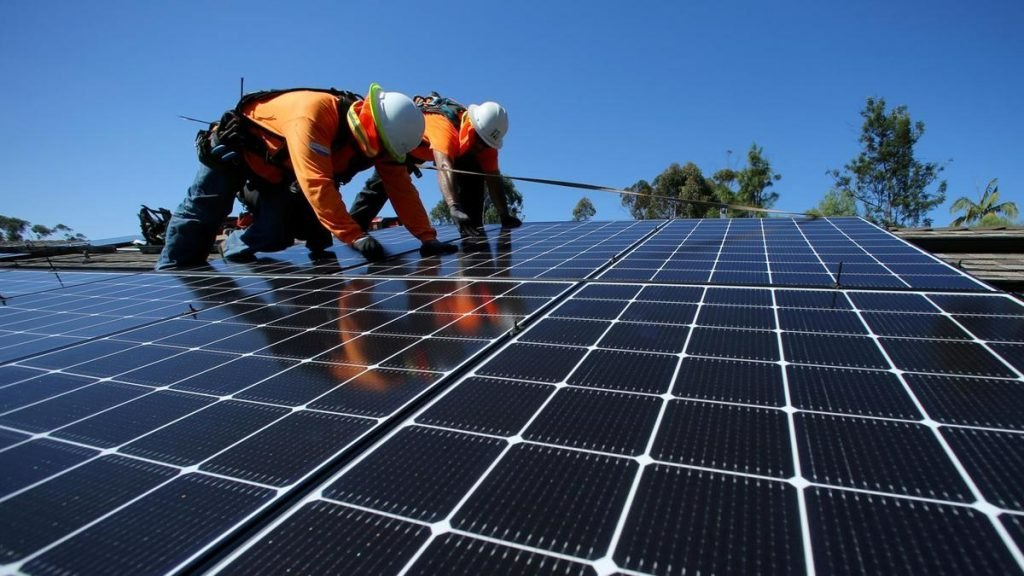
Installing hybrid solar inverter requires precise adherence to electrical codes to ensure safety and efficiency. Begin with site assessment: the unit should be mounted in a shaded, well-ventilated area, with the SUNNYSKY 12KW's rounded edges facilitating wall or rack installation. Wiring involves DC inputs from panels (up to 500Vdc), AC grid connection via breakers rated for 63A, and battery links supporting lithium or lead-acid types with BMS communication. Technically, grounding must follow NEC Article 690, with surge protection devices (SPDs) on all inputs to mitigate transients. Commissioning includes configuring parameters via the control panel—setting battery type, charge priorities, and grid interaction modes—followed by load testing to verify seamless transitions. Professional installation by certified technicians is recommended, taking 4-6 hours for a standard setup. Post-install, monitoring via the app reveals system analytics, empowering users to fine-tune for peak performance. At SUNNYSKY, our commitment to innovation, backed by R&D in over 50 countries, ensures these inverters deliver reliable green energy solutions, inviting global clients to our Guangzhou facility for demonstrations.