Hybrid Solar Inverter: Comparing Traditional vs. Modern Energy Management Solutions
In the evolving world of renewable energy, the hybrid solar inverter stands out as a versatile device that bridges solar power and grid electricity. Unlike traditional inverters that rely solely on one source, a hybrid solar inverter integrates both, offering flexibility for homeowners and businesses. This comparison explores how these inverters differ from conventional setups, highlighting their role in efficient energy management.
Understanding the Hybrid Solar Inverter vs. Standard Inverters
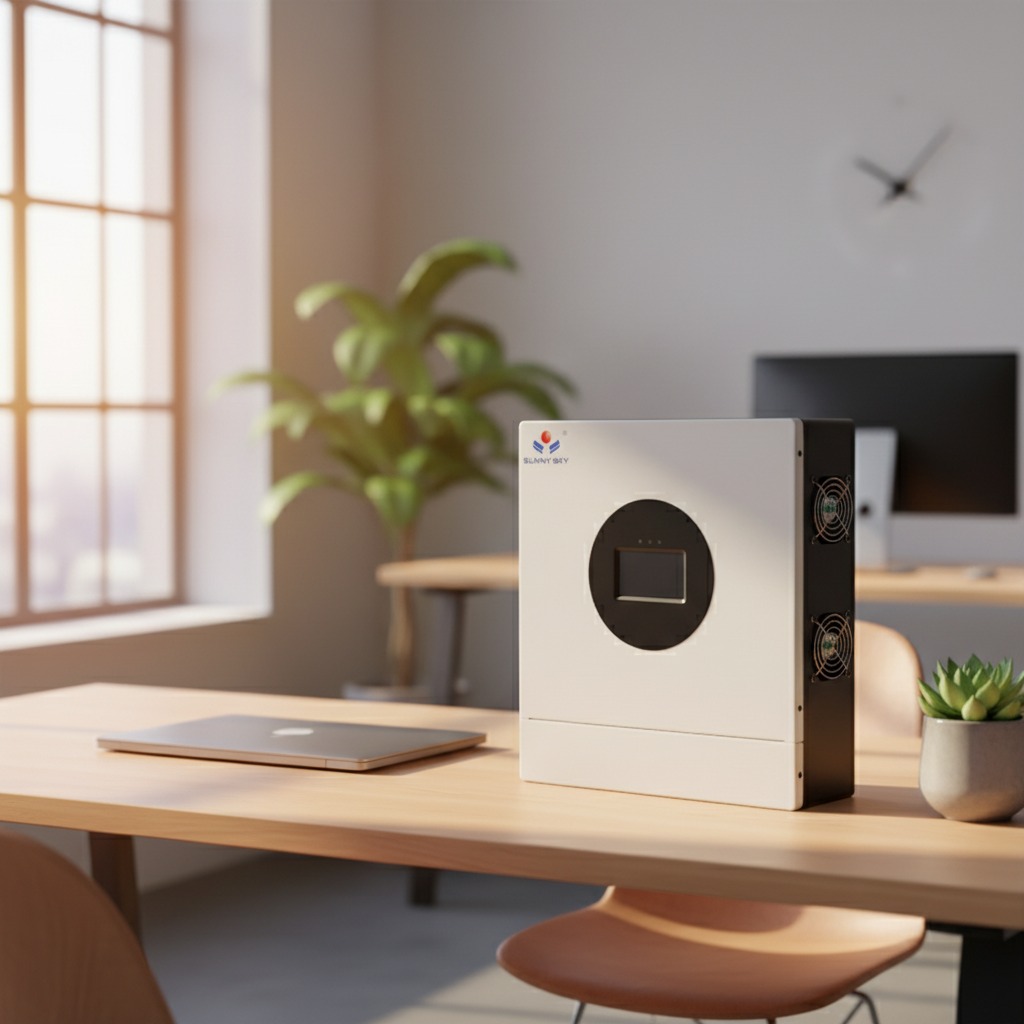
A standard solar inverter converts DC power from panels to AC for home use but lacks grid integration, often leading to downtime during low sunlight. In contrast, the hybrid solar inverter seamlessly switches between solar, battery, and grid sources, ensuring continuous power. For instance, our 6KW Hybrid Solar Inverter exemplifies this with its powerful capacity and user-friendly display, providing real-time monitoring that traditional models can't match. While standard inverters might suffice for off-grid setups, the hybrid version excels in hybrid solar systems by optimizing energy flow and reducing waste.
Installation: Hybrid Inverter Installation Compared to Conventional Methods
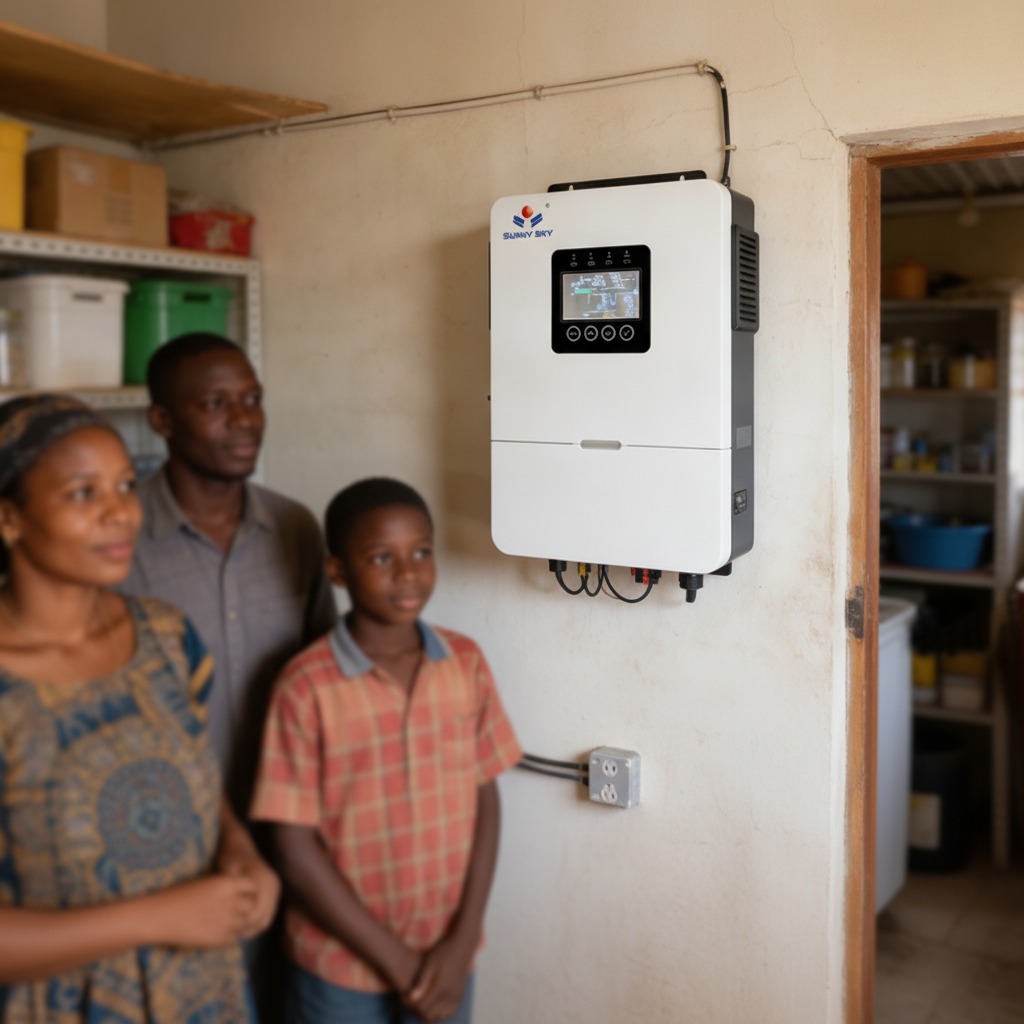
Hybrid inverter installation is generally more straightforward than that of pure solar systems due to its modular design. Traditional installations require separate components for grid tie-in and battery backup, complicating the process and increasing costs. With a hybrid solar inverter, setup is streamlined; it handles multiple inputs in one unit, minimizing wiring and space needs. The sleek design of models like our 6KW version allows for easy integration into residential spaces, contrasting the bulky setups of older inverters. Professionals often note that hybrid inverter installation can be completed faster, with built-in protections against overloads ensuring safety without extra hardware.
Pricing and Value: Hybrid Inverter Price Breakdown and Long-Term Savings
When examining hybrid inverter price, initial costs appear higher than basic inverters—ranging from $1,000 to $3,000 depending on capacity—but the investment pays off quickly. Traditional inverters might cost less upfront, yet they don't offer the energy efficiency of hybrids, leading to higher electricity bills over time. Our 6KW Hybrid Solar Inverter, for example, boasts minimal energy loss and hybrid functionality that maximizes savings, often recouping costs in 3-5 years through reduced grid reliance. In comparison, non-hybrid systems demand additional batteries or controllers, inflating total expenses without the same reliability.
Benefits and Technology: Hybrid Inverter Benefits Over Legacy Systems
The hybrid inverter benefits are profound, especially in solar inverter technology advancements. Unlike outdated inverters prone to inefficiencies, hybrids like ours provide uninterruptible power and battery management, ideal for areas with unstable grids. Solar energy solutions using hybrids reduce carbon footprints more effectively by storing excess solar power, whereas traditional setups often waste it. Reviews of hybrid solar inverter models praise their durability and performance, with our 6KW unit standing out for its intuitive interface and overload protection—features absent in many conventional alternatives.
Buying Guide: How to Buy Hybrid Solar Inverter and What to Consider
Deciding to buy hybrid solar inverter involves weighing options against sticking with grid-only reliance. Traditional energy management lacks the autonomy hybrids provide, but hybrids demand research into compatibility with existing panels. Look for the best hybrid solar inverter based on capacity, efficiency, and warranty; our 6KW model offers a perfect balance for residential use. Hybrid solar inverter reviews often highlight superior longevity compared to standard inverters, which degrade faster under variable loads. Ultimately, investing in a hybrid elevates your solar energy solutions, contrasting the limitations of non-integrated systems.
In summary, the hybrid solar inverter surpasses traditional inverters in versatility, efficiency, and cost-effectiveness, making it a smart choice for modern energy needs. By adopting this technology, users gain control over their power consumption while embracing sustainability.