The Rising Trends in Solar Energy
Solar energy is rapidly transforming the global energy landscape, emerging as a cornerstone of sustainable development. As the world grapples with climate change and the need for cleaner alternatives, this renewable resource is at the forefront of innovation. Recent trends show a surge in adoption, driven by advancements in technology and increasing awareness of environmental impacts. For instance, photovoltaic systems are becoming more efficient, making solar energy accessible for both everyday use and large-scale applications. This shift not only reduces dependency on fossil fuels but also aligns with broader efforts to achieve carbon neutrality by 2050.
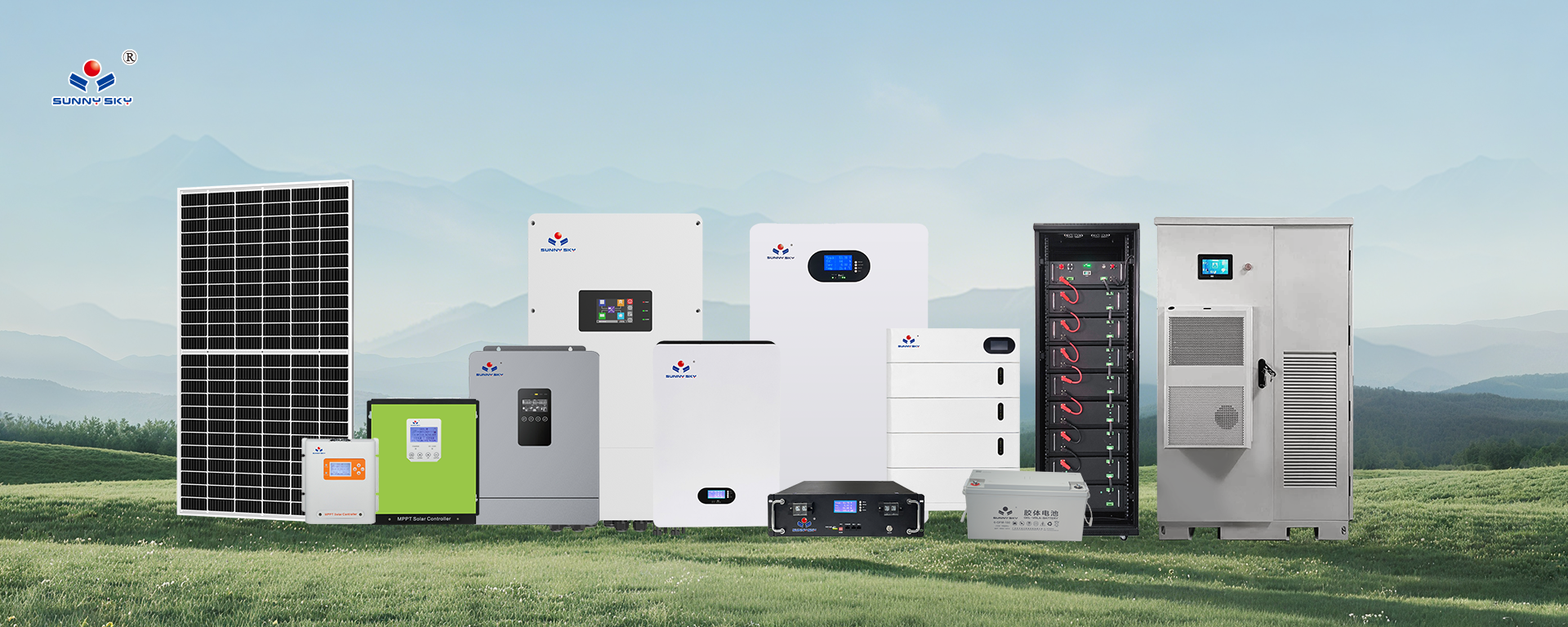
Trends in Residential Solar Systems and Energy Efficiency
Residential solar systems are witnessing a significant uptick as homeowners seek to lower their carbon footprints and energy bills. This trend is fueled by falling solar power costs, which have dropped by over 80% in the past decade, making installations more affordable for families. Solar energy efficiency has improved through better panel designs and integration with smart home technologies, allowing users to optimize energy usage. According to industry reports, residential solar systems now account for a large portion of new renewable energy solutions, with off-grid solar systems gaining popularity in remote areas. This development not only enhances energy independence but also promotes photovoltaic systems that can store excess power for later use, such as through solar battery storage.
Commercial Solar Power and Future Innovations
In the commercial sector, solar energy is driving trends toward corporate sustainability, with businesses adopting commercial solar power to meet regulatory requirements and enhance their brand image. This includes large-scale installations like the Tianyuan Solar Power Project, which exemplifies how solar energy systems can be scaled for industrial use while maintaining high efficiency. Trends indicate that renewable energy solutions, including solar battery storage, are key to managing peak demand and ensuring reliable power supply. As off-grid solar systems become more viable, companies are exploring ways to integrate them with existing infrastructure, reducing operational costs and environmental impact. Looking ahead, the evolution of solar energy will likely focus on innovations that make systems more adaptable, supporting a greener economy and addressing challenges like energy storage and grid integration.
The Economic and Environmental Impact of Solar Trends
The economic aspects of solar energy trends are particularly compelling, as solar power cost continues to decline due to technological advancements and economies of scale. This affordability is accelerating the adoption of photovoltaic systems in both residential and commercial settings, with renewable energy solutions projected to dominate the market by 2030. Environmentally, solar energy systems are playing a crucial role in mitigating climate change by cutting emissions and fostering sustainable practices. For example, solar battery storage is enabling better management of intermittent energy sources, making off-grid solar systems a practical choice for diverse applications. As these trends evolve, they underscore the importance of solar energy efficiency in building a resilient and eco-friendly future, ultimately positioning it as a vital tool for global energy security.