Understanding Hybrid Solar Inverters: Your Guide to Seamless Renewable Energy
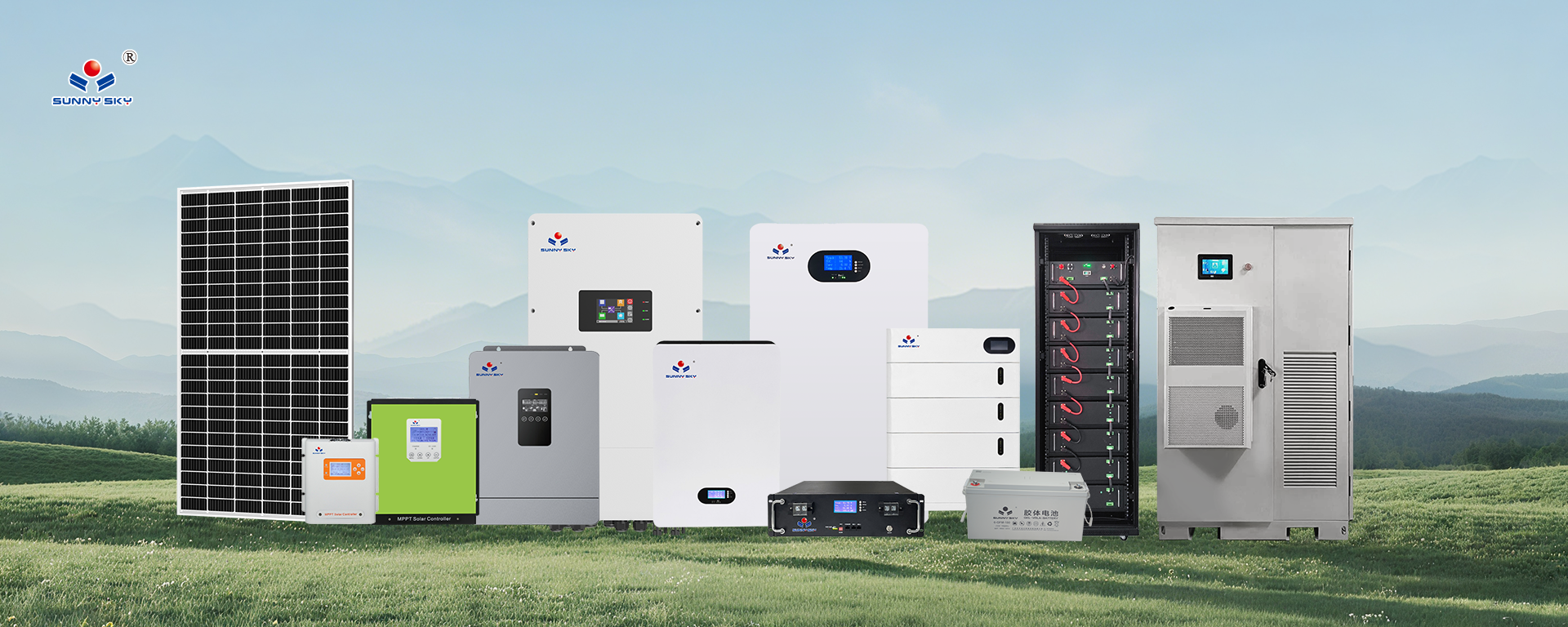
If you're looking to harness the power of the sun efficiently, a hybrid solar inverter is the cornerstone of any modern setup. This versatile device combines the best of solar inverter technology with advanced energy management, allowing you to integrate solar panels, batteries, and the grid seamlessly. In this how-to guide, we'll walk you through everything you need to know about hybrid solar inverters, from selection to installation, ensuring you make an informed choice for your home or business. Whether you're new to renewable energy systems or upgrading your existing setup, understanding this technology can lead to significant savings and sustainability benefits.
Choosing the Right Hybrid Solar Inverter for Your Needs
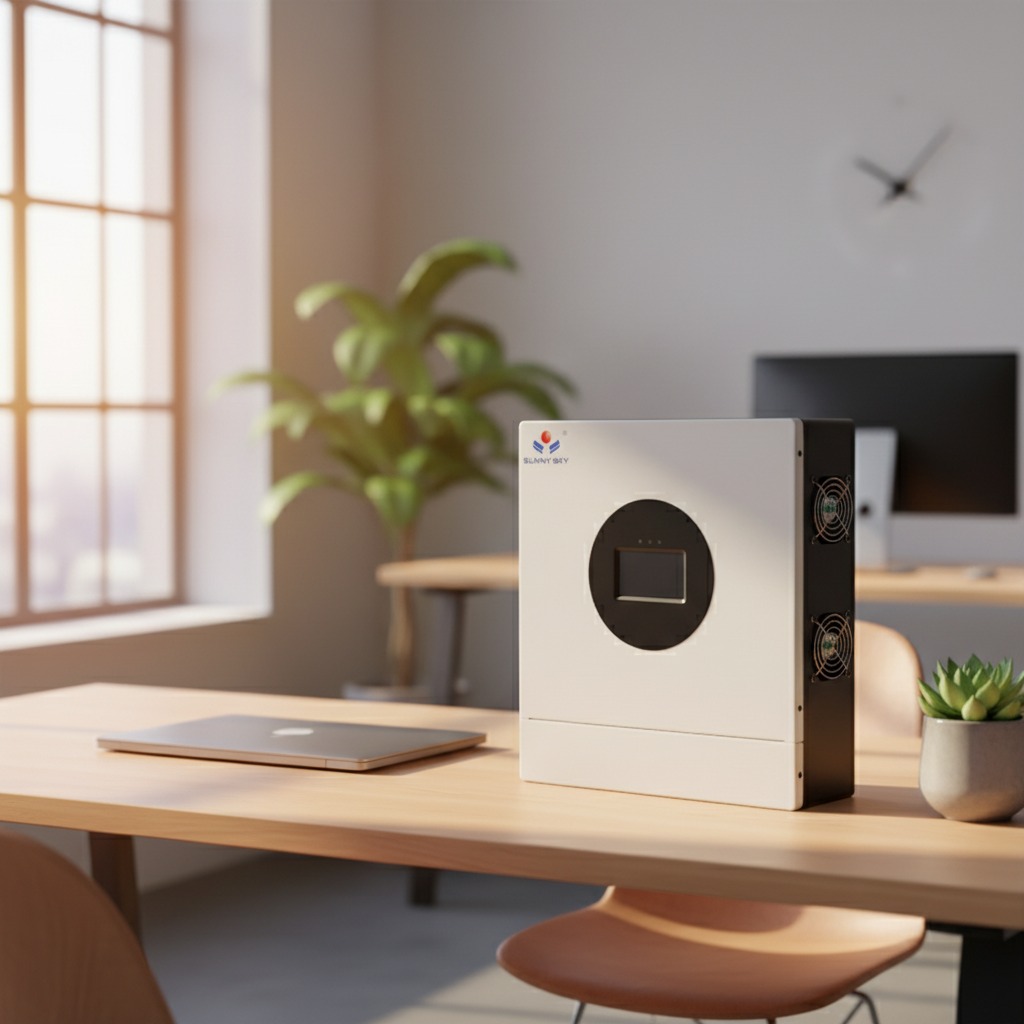
Start by assessing your energy requirements to select the best hybrid inverter. Consider factors like your daily power consumption, available roof space for solar panels, and whether you need off-grid capabilities. For instance, the Sunny Sky 6KW Hybrid Solar Inverter stands out with its robust capacity, perfect for residential use. It supports both grid-tied inverter functions for feeding excess power back to the utility and off-grid solar inverter modes for independent operation during outages. Look for features like MPPT tracking in solar inverter technology, which maximizes energy harvest from your solar panel inverter array. Related aspects include compatibility with battery inverter systems for storing surplus power, ensuring you have reliable backup. Compare models based on efficiency ratings—aim for at least 95% to minimize losses. Also, evaluate smart solar inverters that offer app-based monitoring for real-time insights into your renewable energy systems. Budget-wise, factor in long-term ROI; a quality unit like Sunny Sky's can pay for itself through reduced bills in just a few years.
Installing Your Hybrid Solar Inverter Step by Step
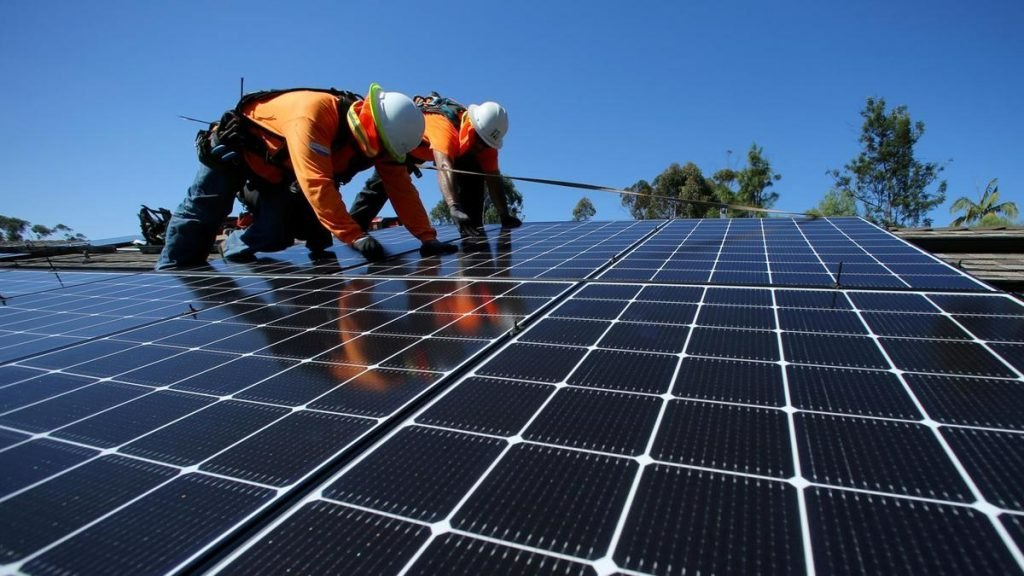
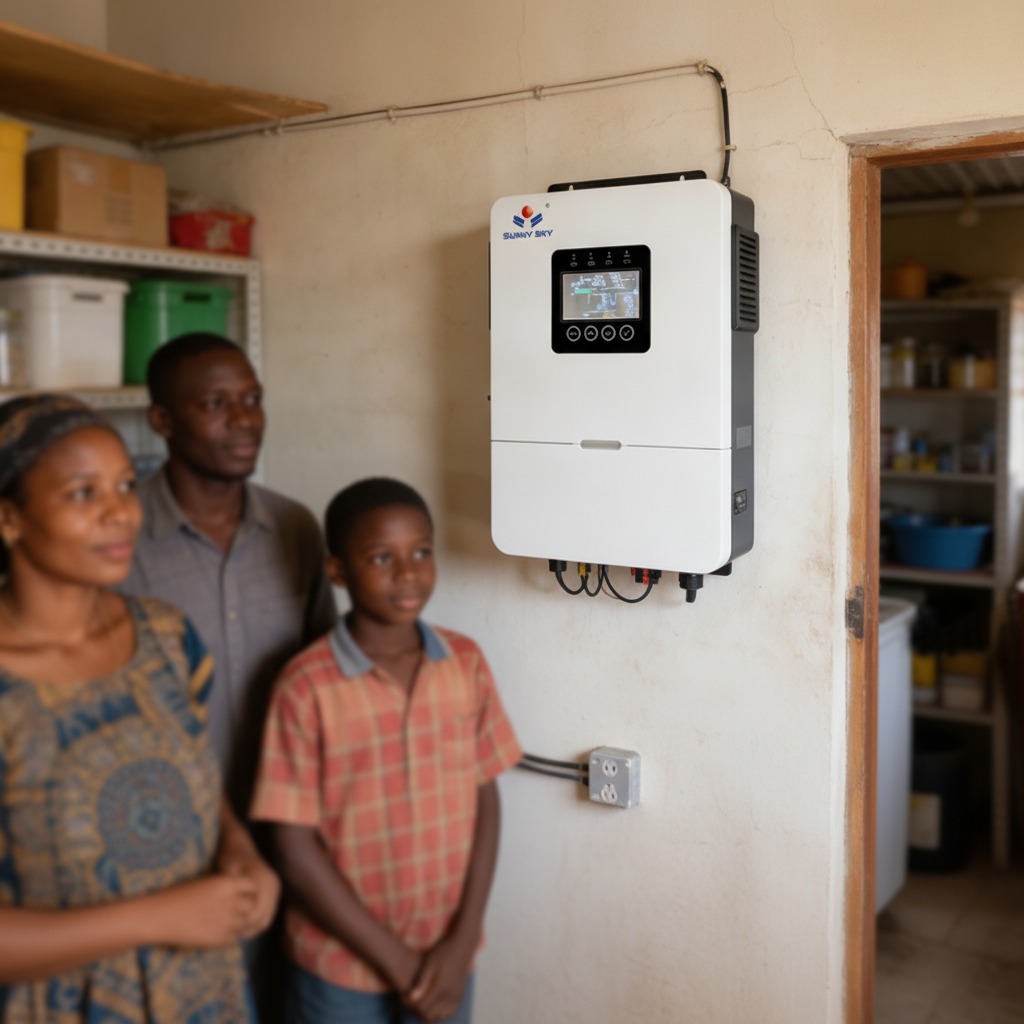
Once you've chosen your hybrid solar inverter, proper installation is key to optimal performance. First, consult a certified electrician to ensure compliance with local codes. Begin by mounting the inverter in a well-ventilated, shaded area, ideally near your solar panels to reduce wiring losses. The Sunny Sky 6KW model, with its sleek white design and intuitive LCD display, makes setup straightforward—connect the solar panel inverter inputs to your panels, link the battery inverter outputs to compatible storage units, and wire the grid-tied inverter side to your main panel. Use the user-friendly interface with arrow buttons to configure settings like energy storage inverter priorities, such as prioritizing solar over grid power. Test the system under load to verify seamless switching between modes. For off-grid solar inverter setups, ensure your battery bank is sized correctly—lithium-ion options pair best with smart solar inverters for longevity. Safety first: incorporate surge protectors and ground everything properly to guard against fluctuations in renewable energy systems.
Optimizing and Maintaining Your System for Long-Term Efficiency
After installation, focus on optimization to get the most from your hybrid solar inverter. Utilize the smart features of devices like the Sunny Sky 6KW to monitor consumption via its dynamic graphs, adjusting settings for peak solar hours. In grid-tied inverter mode, enable net metering to sell excess energy; in off-grid scenarios, rely on the battery inverter for nighttime use. Regularly clean solar panels to boost input to your solar panel inverter, and update firmware for the latest solar inverter technology advancements. For energy storage inverter integration, schedule deep discharges sparingly to extend battery life. Track performance metrics to identify issues early—aim for consistent output from your renewable energy systems. If pursuing the best hybrid inverter, consider warranties; Sunny Sky offers comprehensive coverage. By following these steps, you'll not only reduce your carbon footprint but also achieve energy independence, making your investment in smart solar inverters a smart move for the future.
Troubleshooting Common Issues with Hybrid Solar Inverters
Even the best hybrid inverter can encounter hiccups, so knowing how to troubleshoot is essential. If output drops, check connections between your solar panel inverter and panels for loose wires or shading. For battery inverter problems, verify charge levels—low voltage might trigger protective shutdowns in off-grid solar inverter mode. Grid-tied inverter errors often stem from utility fluctuations; reset via the LCD interface on models like Sunny Sky's 6KW. Overheating? Ensure proper ventilation and clean dust from vents. Use diagnostic tools in smart solar inverters to pinpoint faults in renewable energy systems. If issues persist, contact a professional. Routine maintenance, like annual inspections, keeps your energy storage inverter running smoothly, ensuring reliable power year-round.