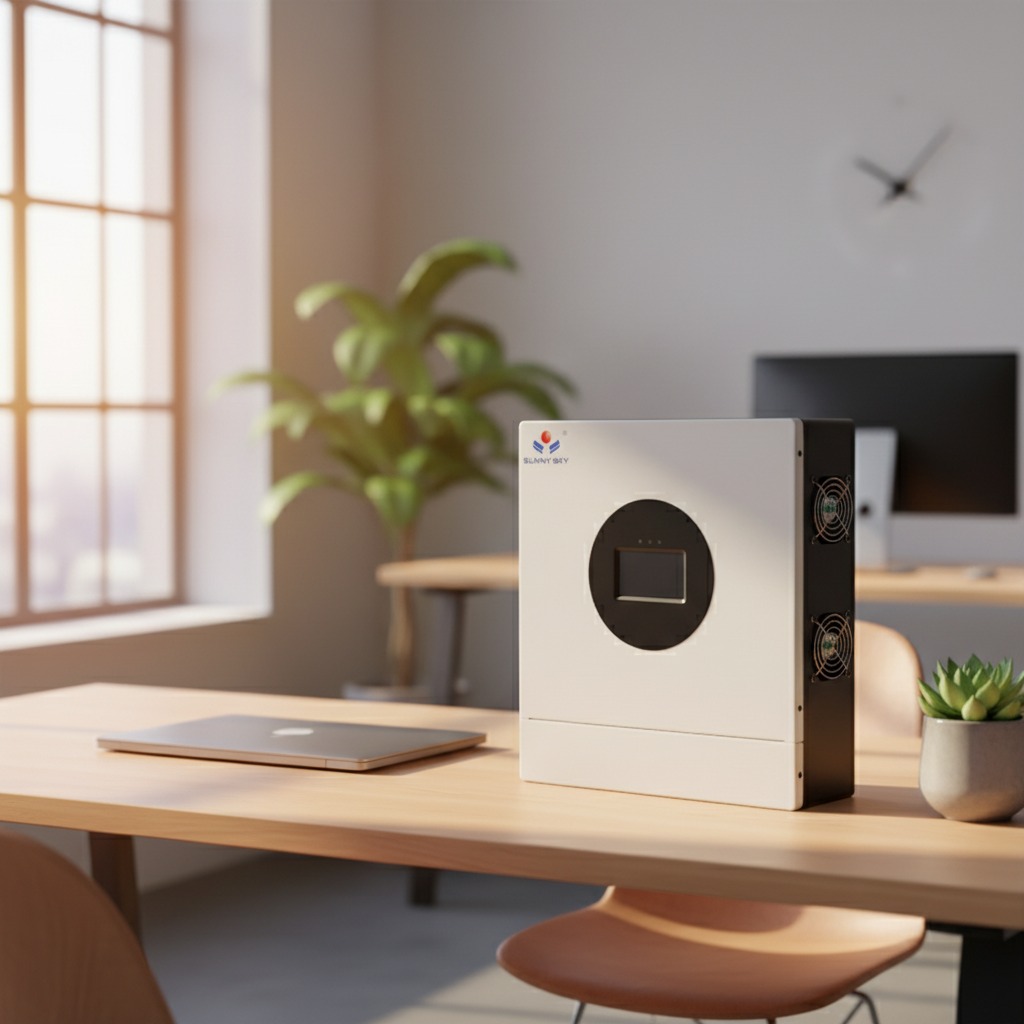
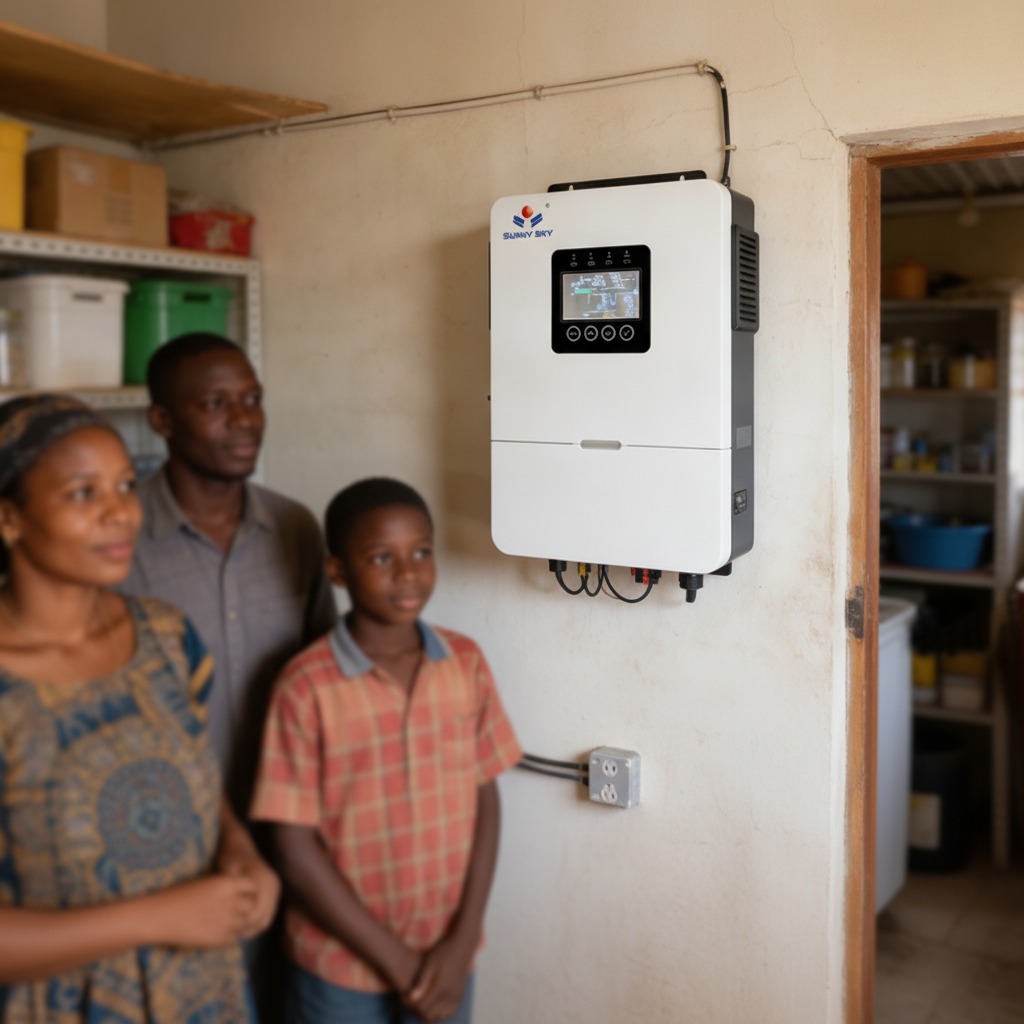
Introduction to Hybrid Inverters
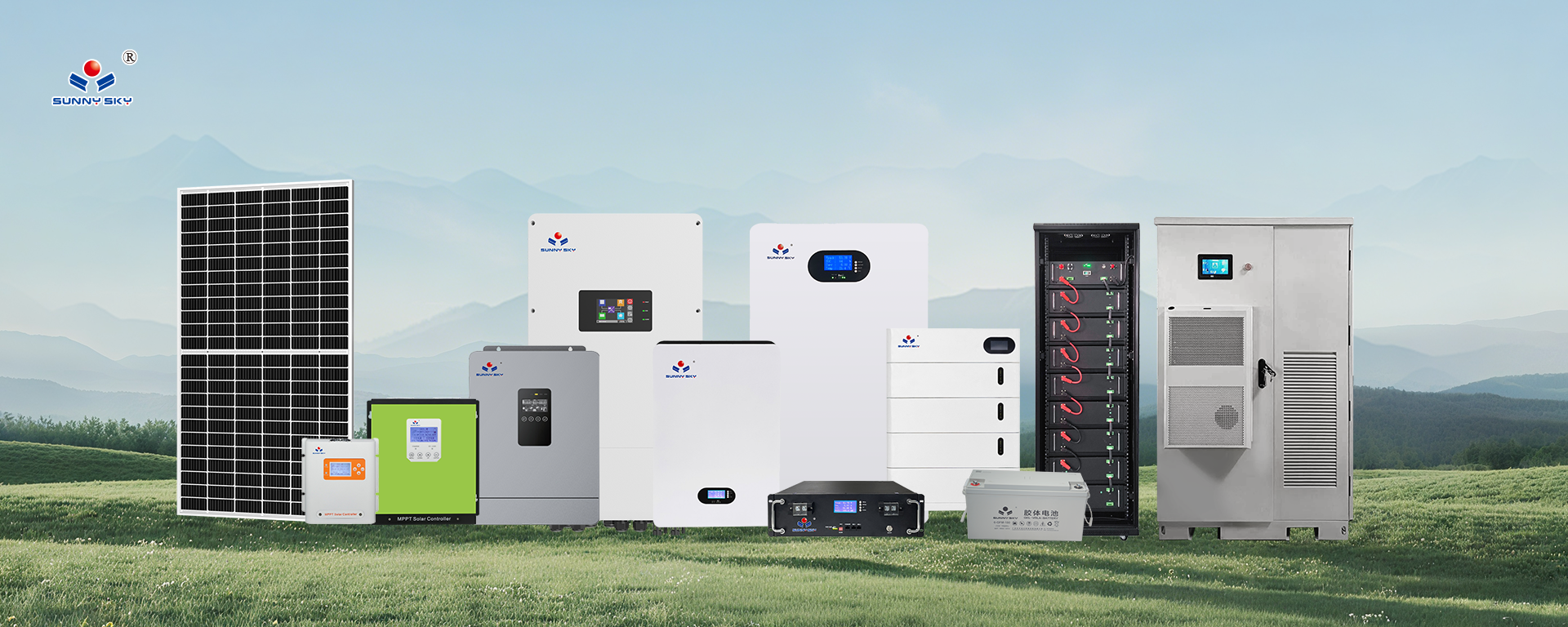
Key Features of 6kw Wholesale Mppt Solar Inverter:
-
Compatible for off-grid applications;
-
One-key restoring to factory default settings;
-
Built-in Lithium battery automatic activation;
-
Built-in MPPT solar controller, max charge current 120A;
-
Max 9000W solar input power respectively;
-
Wide PV input voltage range (60-450VDC);
-
Built-in anti-dusk kit for harsh environments.
-
Smart battery charge design to maximize battery lifespan
-
Dual AC output;
-
WIFI available for IOS and Android systems.
Top Features for Solar Inverter with WiFi
-
Wi-Fi Monitoring: View real-time and historical performance data remotely.
-
Mobile App/Web Portal: Access via iOS/Android and browser.
-
Hybrid Capability: Supports grid-tie + battery backup.
-
MPPT Technology: Maximum Power Point Tracking for efficient solar harvest.
-
Battery Compatibility: Compatible with lithium, especially 48V LiFePO₄.
-
Smart Alerts: Sends error alerts and status reports.
| Model | TYH-6KW |
| AC Input | |
| Rated Input Voltage(VAC) | 208/220/230/240;L+N+PE |
| Voltage Range(VAC) | 90~280+3(normalmode);170~280+3(UPS mode) |
| Frequency(Hz) | 50/60(Auto Adaptive) |
| AC Output | |
| Rated Capacity(kW) | 6 |
| Surge Power(kVA) | 12 |
| Voltage(VAC) | 208/220/230/240 |
| Power Factor(PF) | 1 |
| Frequency | 50/60HZ+0.1% |
| Switch Time(ms) | 10(normal mode)/10(UPS mode) |
| Wave Form | Pure Sine Wave |
| Over load Capacity(Battery Mode) |
10S@>150%load |
| Max Efciency (Battery Mode) | 94%@48VDC |
| Parallel Quantity | N/A |
| Charger(PV/AC) | |
| Solar ChargerType | MPPT |
| Max PV Input Current/ input Power | 27A/9KW |
| MPPT Range@ Operating Voltage(VDC) | 60-450 |
| Max PV Open Circuit Voltage(VDC) | 500 |
| Max PV Charge Current(A) | 120 |
| Max AC Charge Current(A) | 120 |
| MaxCharge Current(PV+AC)(A) | 120 |
| Battery | |
| Rated Voltage(VDC) | 48 |
| Floating Charge Voltage(VDC) | 54 |
| Over charge Protection(vDC) | 61 |
| BatteryType | Lithium and Lead-acid |
| Inteface | |
| HMI | LCD |
| Interace | RS485/RS232/USB/Dry Contact |
| Monitoring | WiFi (Optional) |
| General Data | |
| Ingress Protection | IP21 |
| Operating emperature | -10℃~50℃ |
| Relative Humidity | 5%-95%(Non-condensing) |
| Storage Temperature | -15℃-60℃ |
| Net Weight(kg) | 12.5 |
| Dimensions(W*H*D) | 410*336*110MM |
| MaxOperating Atitude | 4000m(Derating above 1000m) |
As the push for renewable energy becomes more pronounced, the role of hybrid inverters, especially the **hybrid inverter 6KW**, has gained significant relevance in powering homes efficiently. These inverters are pivotal in bridging the gap between solar energy collection and its practical utilization within households.
Understanding Hybrid Inverter Specifications
The **6KW hybrid inverter** is engineered to not only convert solar energy into usable electricity but also manage and store it for optimal use. With a 6KW capacity, it is tailored for standard home energy needs, ensuring a balance between performance and cost-effectiveness. One of the pivotal aspects of selecting the right inverter involves understanding the range of available options, such as the 12KW hybrid inverter, which serves more substantial power requirements.
When considering **6KW hybrid inverter price**, potential buyers should note that prices vary based on features such as smart connectivity, efficiency rates, and warranty coverage. It's essential to scrutinize specifications like voltage capacities, safety protocols, and overall efficiency to ensure the investment aligns with your energy management goals.
Choosing the Right Inverter for Your Home
If you're in the market to **buy hybrid inverter 12KW**, you're likely aiming at maximizing energy storage options alongside large scale power applications. However, for regular residences, the **6KW solar hybrid inverter** remains a highly popular choice, given its feasible integration with standard household setups and moderate solar panel arrays.
Reading through **6KW inverter reviews** allows prospective users to gather insights on user experiences, reliability, and performance under different climatic conditions. Reviews can highlight critical points like ease of installation, operational costs, and customer service support.
Integration with Solar Systems
A **hybrid inverter for solar systems** plays a crucial role as it manages the inflow of solar energy from panel arrays and transitions it to either grid usage or stored state for battery systems. The Solar Storage Inverter, for instance, brings advanced technology into play with features like an intuitive LCD interface and robust design, ensuring durability alongside efficiency.
This versatility is well-suited for diverse home energy scenarios, keeping power flow steady regardless of weather conditions. Moreover, opting for adaptable options like the **12KW solar hybrid inverter** can lead to enhanced energy independence by limiting dependency on grid-based power.
Advantages of a Solar Power Hybrid Inverter
One of the compelling aspects of the **solar power hybrid inverter** is its ability to reduce electricity costs by efficiently managing energy use and storage. Incorporating smart energy conversion processes, these inverters ensure that users harness maximum solar potential, thereby reducing environmental impact.
Enhanced safety features, including overvoltage and overload protection, ensure safe operations, allowing users peace of mind. The intelligent cooling systems integrated within the inverters help sustain optimal performance across various environmental conditions.
Ultimately, choosing the right hybrid inverter involves a balance of performance specifications, compatibility with existing solar systems, and financial considerations. These inverters not only signify a technological advancement in harnessing solar energy but also demonstrate a commitment to creating sustainable, cost-effective energy solutions for the future.