Choosing the Right High-Capacity Energy Storage
As the demand for reliable and sustainable energy grows, selecting the right storage solution is more critical than ever. The 51.2V lithium battery has emerged as a powerhouse standard for both residential and commercial applications, particularly in solar energy systems. With many options on the market, understanding the subtle but important differences between models, such as various 350AH versions, can help you make an informed decision. This comparison will explore different facets of these high-capacity batteries, from design and technology to usability and specific applications, helping you navigate the choices for your energy needs.
Design Philosophy: Form Meets Function
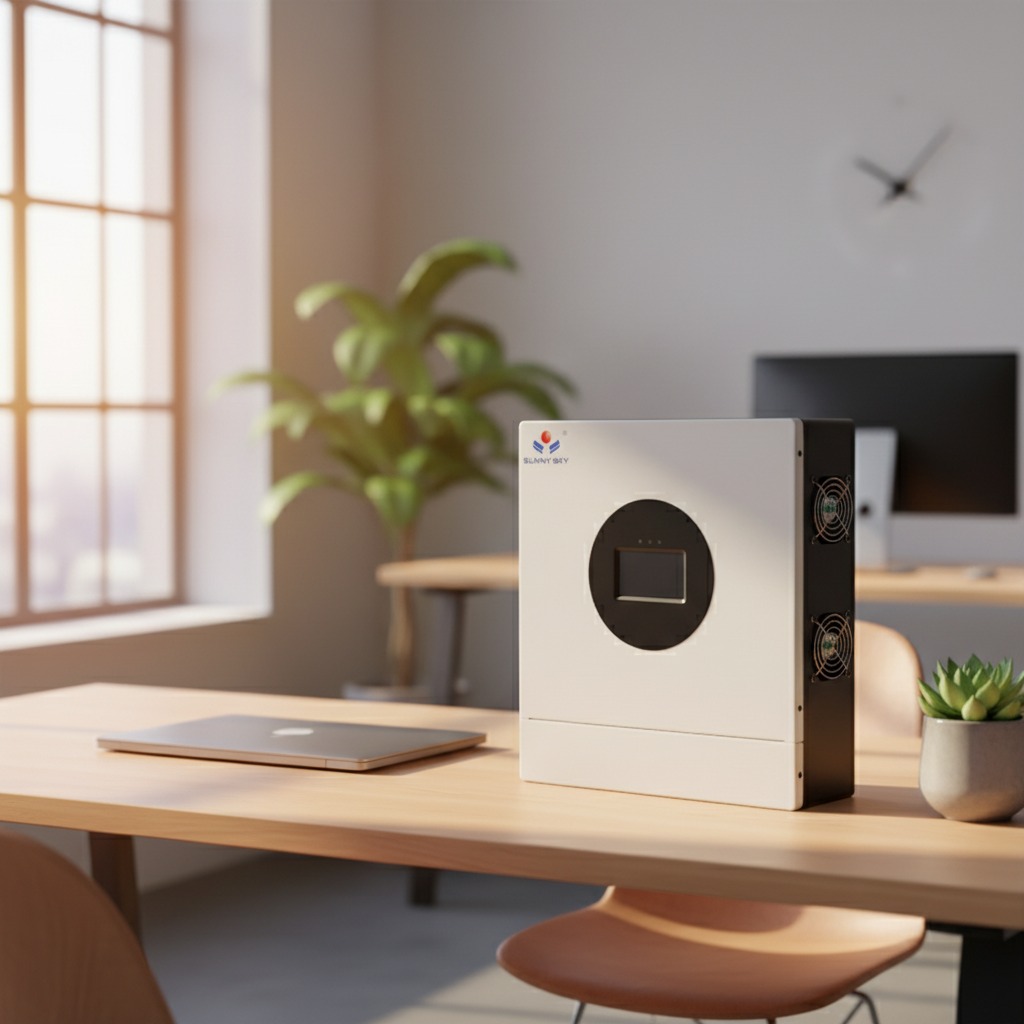
When comparing different models, the physical design is often the first noticeable difference. Some units prioritize a sleek, modern aesthetic, featuring a matte gray finish that exudes sophistication. These models may include practical additions like caster wheels for mobility, making them ideal for environments where the battery might need to be moved. In contrast, other designs focus on seamless integration, offering a robust but minimalist look intended to blend into any setting, similar to the concept of a power wall battery. For those who value immediate feedback, some batteries, like the Sunny Sky module, incorporate an integrated display directly into their facade, combining elegance with at-a-glance data monitoring. Whether you need portability, a discreet installation, or integrated data, the physical design reflects the intended use and user experience.
Core Technology: The Heart of Performance
Beneath the surface, the core technology defines the battery's performance and safety. While all these units are a type of lithium ion battery, many top-tier models utilize Lithium Iron Phosphate (LiFePO4) chemistry. This specific technology is renowned for its superior safety profile, thermal stability, and exceptionally long cycle life, making it a preferred choice for a long-term solar storage battery. The 51.2V and 350AH specifications translate to a substantial 17.92kWh of energy, positioning these units as a genuine high capacity lithium battery solution. This robust capacity ensures a sustained and reliable energy output, capable of powering demanding applications from off-grid homes to industrial backup systems. The underlying chemistry is a crucial differentiator that impacts longevity, safety, and overall return on investment.
Usability and User Interface
How you interact with and monitor your battery is another key point of comparison. Some models are designed for straightforward, professional installation, featuring clearly marked polarity terminals and simple switches with visual indicators for status checks. This approach is perfect for a set-and-forget solar power system. Other manufacturers are embracing the digital age by incorporating QR codes on the battery's body, providing instant access to detailed installation guides and maintenance tips on your smartphone. A more advanced approach, as seen in some modules, is the inclusion of an integrated digital display. This feature offers real-time data on battery status, voltage, and capacity, empowering users with comprehensive control and making it an excellent choice for an off-grid solar battery where close monitoring is essential.
Application and Installation Flexibility
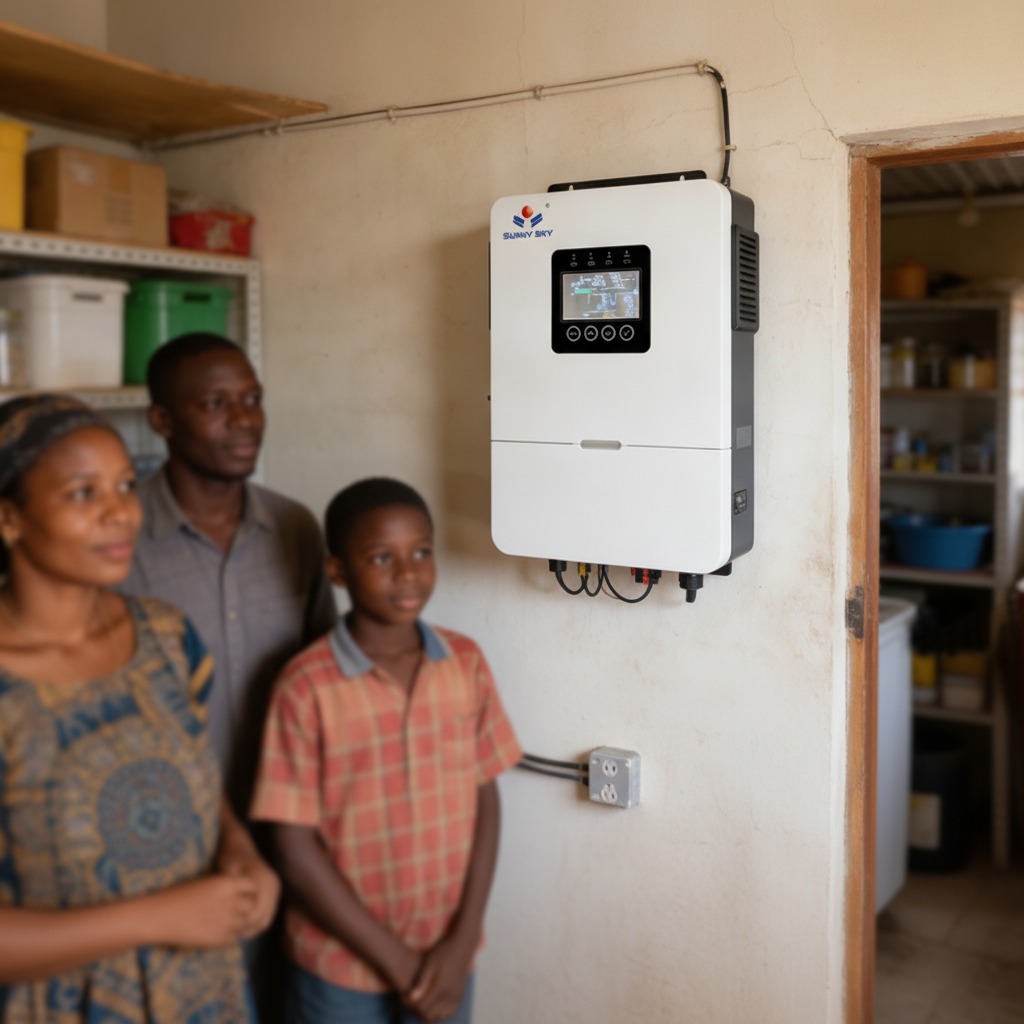
The ideal application for each battery can often be inferred from its design and features. A model with caster wheels is built for versatility, easily moved between locations in a workshop, home, or industrial space. Conversely, a sleek, minimalist unit is perfectly suited to be a 350AH wall-mounted battery, providing a clean and permanent installation. This type of wall-mounted solar battery is a popular choice for homeowners looking to create an integrated energy hub. Ultimately, whether you are building a new home with a dedicated battery for solar systems or upgrading an existing setup, there is a 51.2V lithium battery designed to meet your specific installation requirements and energy goals, offering a powerful step towards a more efficient and sustainable future.