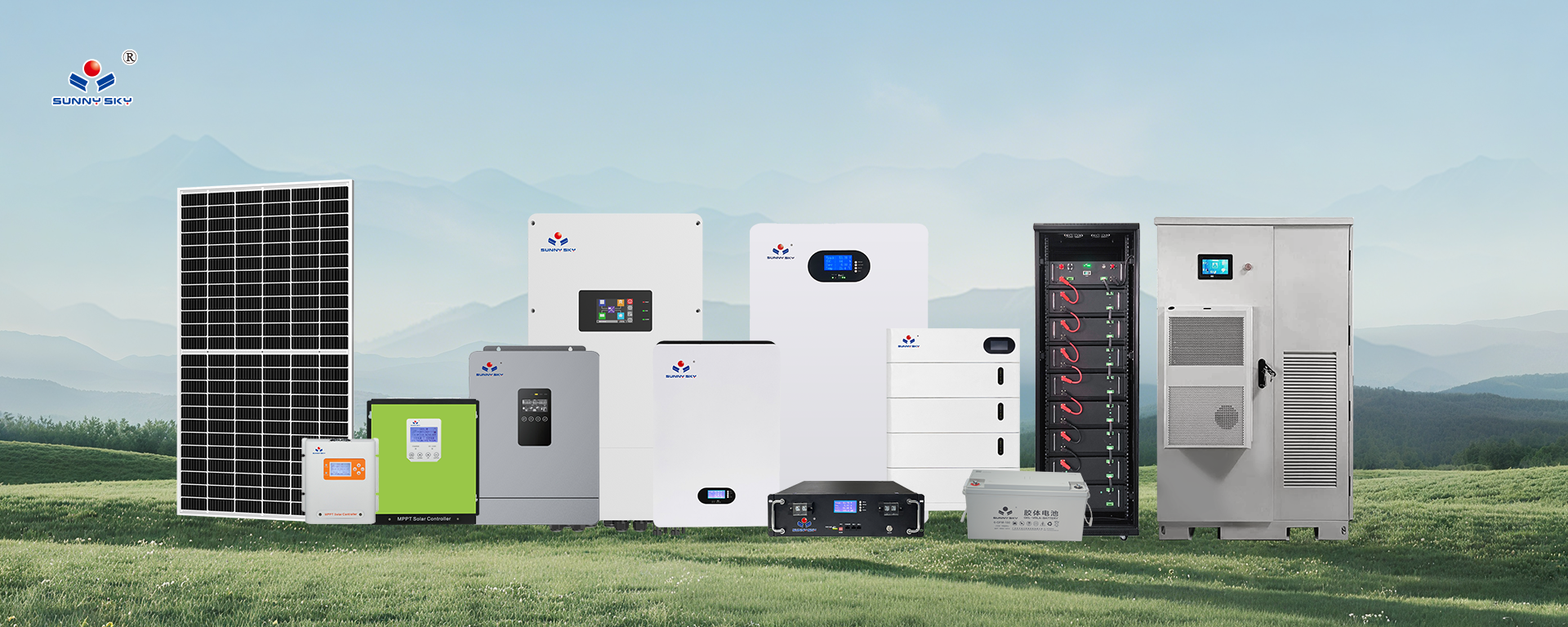
Solar energy is rapidly transforming the global energy landscape, emerging as a cornerstone of sustainable development and environmental stewardship. As the world grapples with climate change and fossil fuel depletion, solar energy offers a clean, abundant alternative that is driving innovation across various sectors. This trend analysis explores the evolving dynamics of solar energy, from residential applications to large-scale commercial projects, highlighting how advancements are making it more accessible and efficient than ever before.
The Rise of Residential Solar Systems
One of the most prominent trends in solar energy is the surge in residential solar systems, which are becoming increasingly popular among homeowners seeking to reduce their carbon footprint and energy bills. Residential solar systems involve installing photovoltaic panels on rooftops to harness sunlight and convert it into electricity. This trend is fueled by government incentives and technological improvements that have made solar energy systems more affordable and easier to install. For instance, with the integration of solar battery storage, households can store excess energy generated during the day for use at night, promoting energy independence. As photovoltaic systems continue to evolve, residential adoption is expected to grow, with projections indicating that solar energy could power a significant portion of homes worldwide by 2030, thereby enhancing renewable energy solutions on a personal level.
Advancements in Commercial Solar Power
Commercial solar power is another key area witnessing substantial growth, as businesses pivot towards sustainable practices to meet corporate social responsibility goals. Large-scale projects like the Tianyuan Solar Power Generation Project exemplify this trend, where extensive arrays of high-efficiency photovoltaic panels are deployed to generate massive amounts of electricity. This project not only demonstrates the practical design of solar energy systems but also highlights how they can be integrated into everyday infrastructure, such as carports that provide shade while producing power. The trend towards commercial solar power is accelerating due to falling costs and improved solar energy efficiency, enabling companies to offset operational expenses and contribute to a greener economy. As more organizations adopt these systems, the commercial sector is poised to play a pivotal role in the broader shift to renewable energy solutions, with innovations in off-grid solar systems further expanding possibilities for remote or underserved areas.
Cost Trends and Future Prospects in Solar Energy
The decreasing cost of solar power is a defining trend that is making solar energy more viable for widespread use. Solar power cost has plummeted over the past decade due to economies of scale in manufacturing and advancements in technology, allowing for broader accessibility. This cost reduction is intertwined with improvements in solar battery storage, which addresses one of the biggest challenges of intermittent energy production by enabling reliable storage and dispatch. Looking ahead, trends in solar energy efficiency and photovoltaic systems suggest that we are on the cusp of even greater breakthroughs, such as next-generation panels that boast higher conversion rates. Projects like Tianyuan underscore the potential for solar energy to revolutionize urban infrastructure, blending functionality with sustainability. As off-grid solar systems gain traction in developing regions, the overall landscape of renewable energy solutions is evolving, promising a future where solar energy dominates as a key driver of global energy trends. This ongoing evolution not only supports environmental goals but also fosters economic growth, positioning solar energy as an indispensable part of our energy mix for years to come.