Hybrid Solar Inverter technology has revolutionized the way we manage energy in homes and businesses, offering a seamless blend of solar power and traditional grid systems. This innovative solution allows for efficient energy storage and usage, making it a popular choice for those seeking sustainability and reliability. In this article, we'll explore how hybrid solar inverters compare and contrast with other types, such as grid-tied and off-grid inverters, while highlighting their benefits in modern energy systems.
Understanding Hybrid Solar Inverters Versus Grid-Tied Inverters
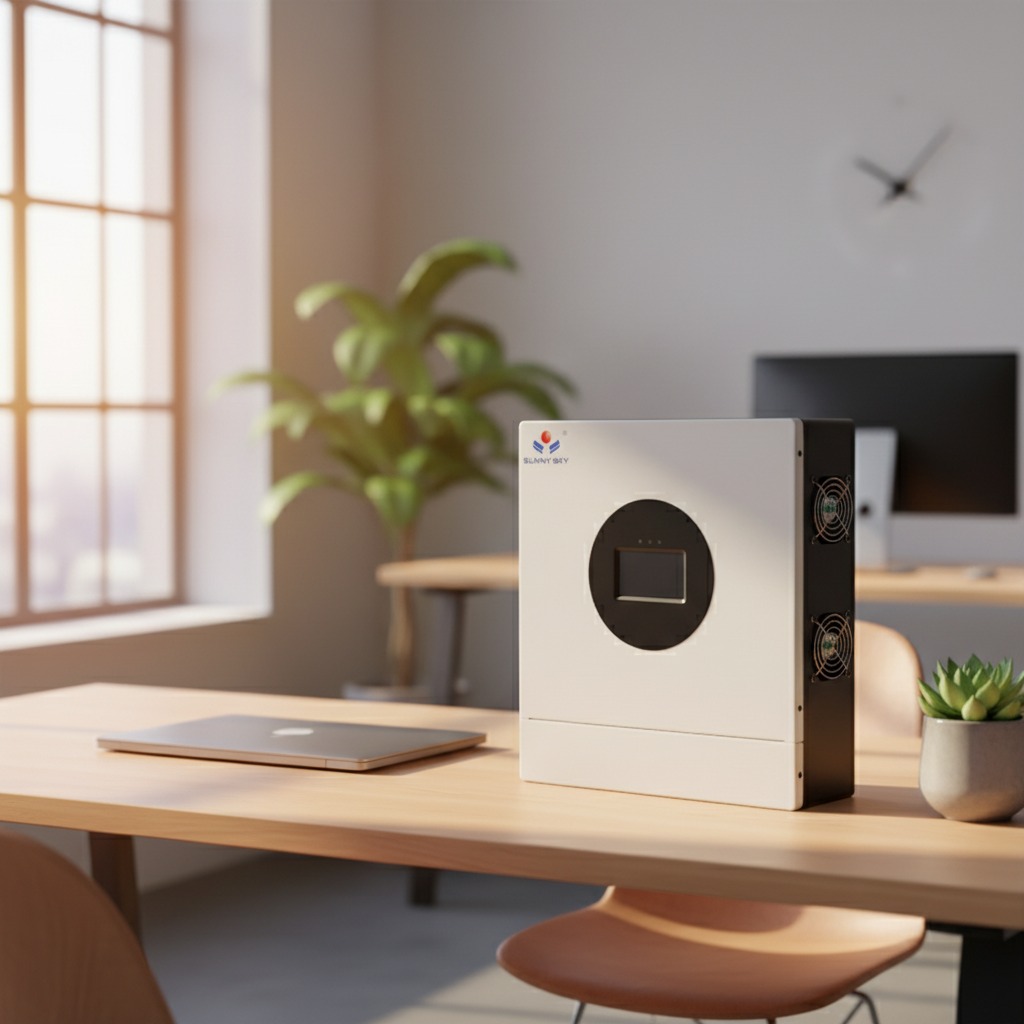
Hybrid solar inverters stand out for their ability to integrate multiple energy sources, like solar panels and batteries, while grid-tied inverters are primarily designed to feed excess power back to the utility grid without storage capabilities. For instance, a hybrid solar inverter can store energy for use during outages, providing greater independence, whereas a grid-tied inverter relies heavily on the grid for backup, making it less resilient in remote or unstable areas. This contrast is evident in residential settings, where hybrid models, such as the 3.6K5K inverter, offer features like battery input and PV input for direct solar harnessing, contrasting with grid-tied systems that prioritize net metering but lack built-in storage. In terms of energy storage solutions, hybrid inverters excel by allowing users to draw from batteries during peak demand, reducing costs, while grid-tied options often require additional equipment for the same functionality. Overall, the bidirectional inverter aspect of hybrid models enables two-way energy flow, a feature not typically found in standard grid-tied setups, making hybrids more versatile for evolving energy needs.
Contrasting Hybrid Solar Inverters with Off-Grid Inverters
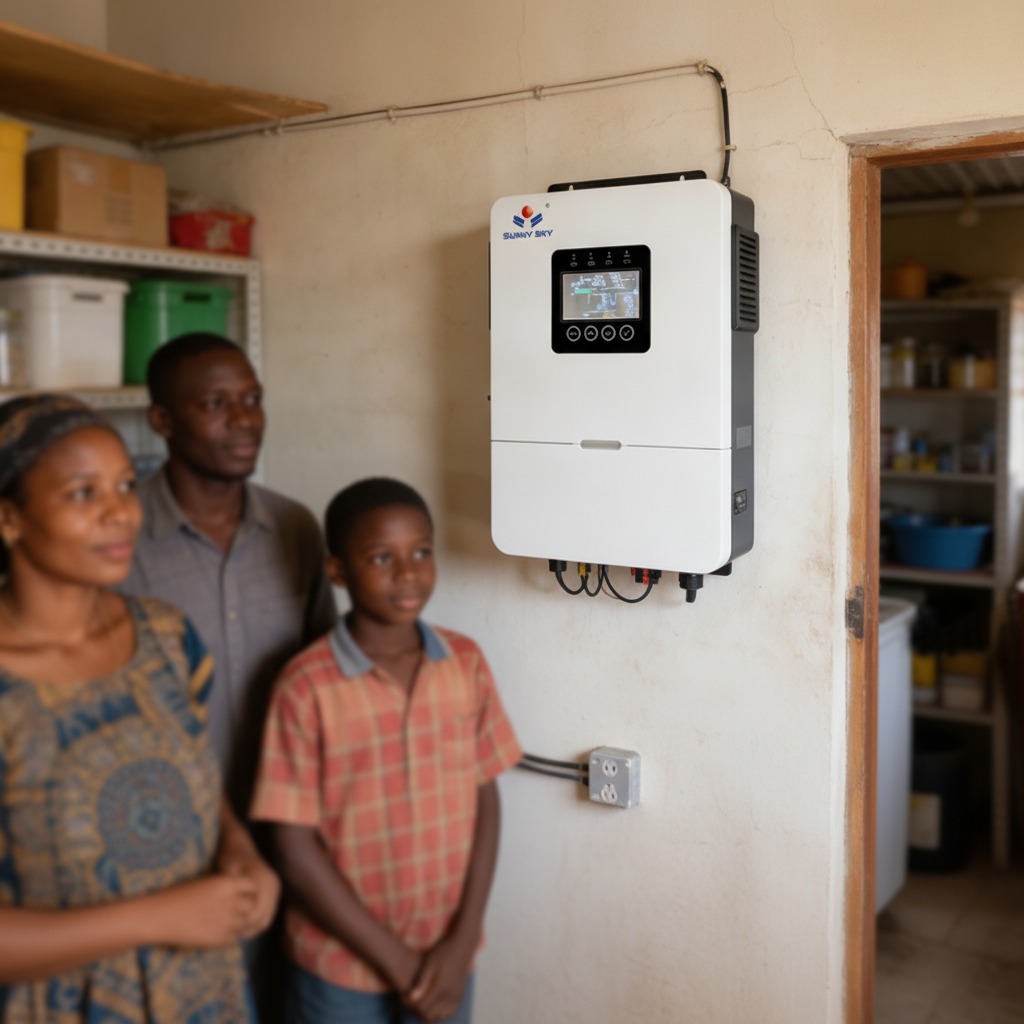
When comparing hybrid solar inverters to off-grid inverters, the key difference lies in their connectivity and flexibility. Off-grid inverters are built for complete independence from the grid, often used in remote locations, but they can be less efficient in urban environments where grid access is available. In contrast, a hybrid solar inverter like the 3.6K5K model combines off-grid capabilities with grid-tied features, allowing seamless switching between sources for optimal performance. For example, solar power systems integrated with hybrid inverters can automatically prioritize solar energy during the day and switch to stored battery power at night, whereas off-grid inverters might require manual management and larger battery banks to compensate for inconsistent solar input. Renewable energy inverters, particularly hybrids, offer advanced monitoring through features like USB connectivity and LCD displays, providing real-time data on energy flow, which off-grid models often lack. This makes hybrid inverters a better fit for residential solar inverter applications, where users want the reliability of grid backup without fully disconnecting. However, off-grid inverters shine in areas with no grid access, emphasizing pure autonomy, while hybrids provide a balanced approach with their ability to handle both scenarios, ultimately making them more adaptable for modern households.
The Benefits and Drawbacks in Solar Inverter Technology
Solar inverter technology, especially hybrid options, brings numerous benefits when contrasted with traditional systems, but it's not without drawbacks. Hybrid inverter benefits include enhanced energy efficiency through features like parallel connectivity and circuit breakers, which ensure safe and scalable operations, unlike older solar power systems that might overload without such protections. For instance, residential solar inverters in hybrid form allow for easy integration with smart home networks via RS-485 ports or USB WiFi, contrasting with basic off-grid inverters that offer limited smart features and require more hands-on maintenance. On the downside, hybrid solar inverters can be more expensive upfront due to their multifaceted design, while grid-tied inverters are cheaper but offer less energy independence. Energy storage solutions in hybrid systems, such as those using battery icons on intuitive LCD displays, enable users to track and manage power flow effectively, providing a clear advantage over simpler inverter technologies. In essence, the evolution of hybrid inverter technology represents a step forward in renewable energy inverters, offering a comprehensive solution that balances cost, efficiency, and reliability for everyday use. By weighing these comparisons, consumers can make informed decisions tailored to their specific energy needs, ensuring a sustainable and cost-effective future.