Understanding Hybrid Solar Inverters and Their Benefits
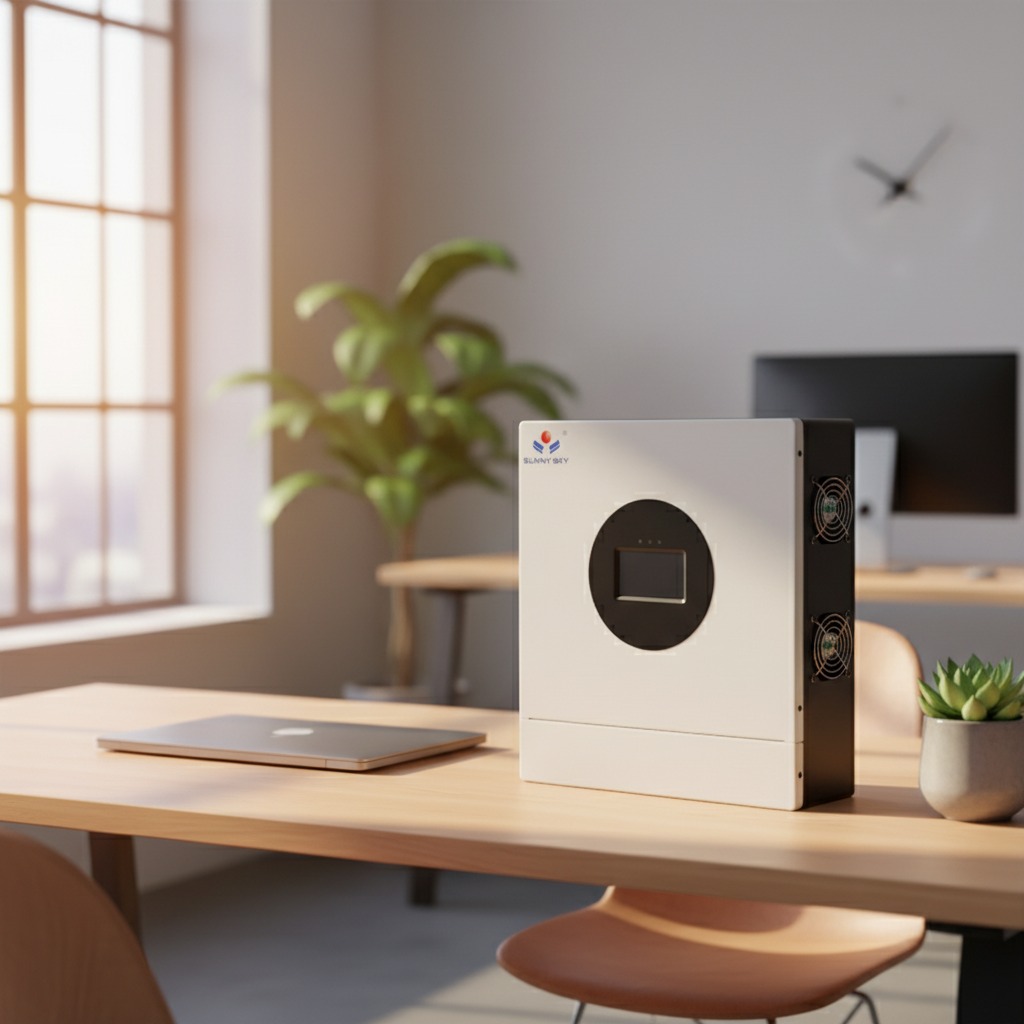
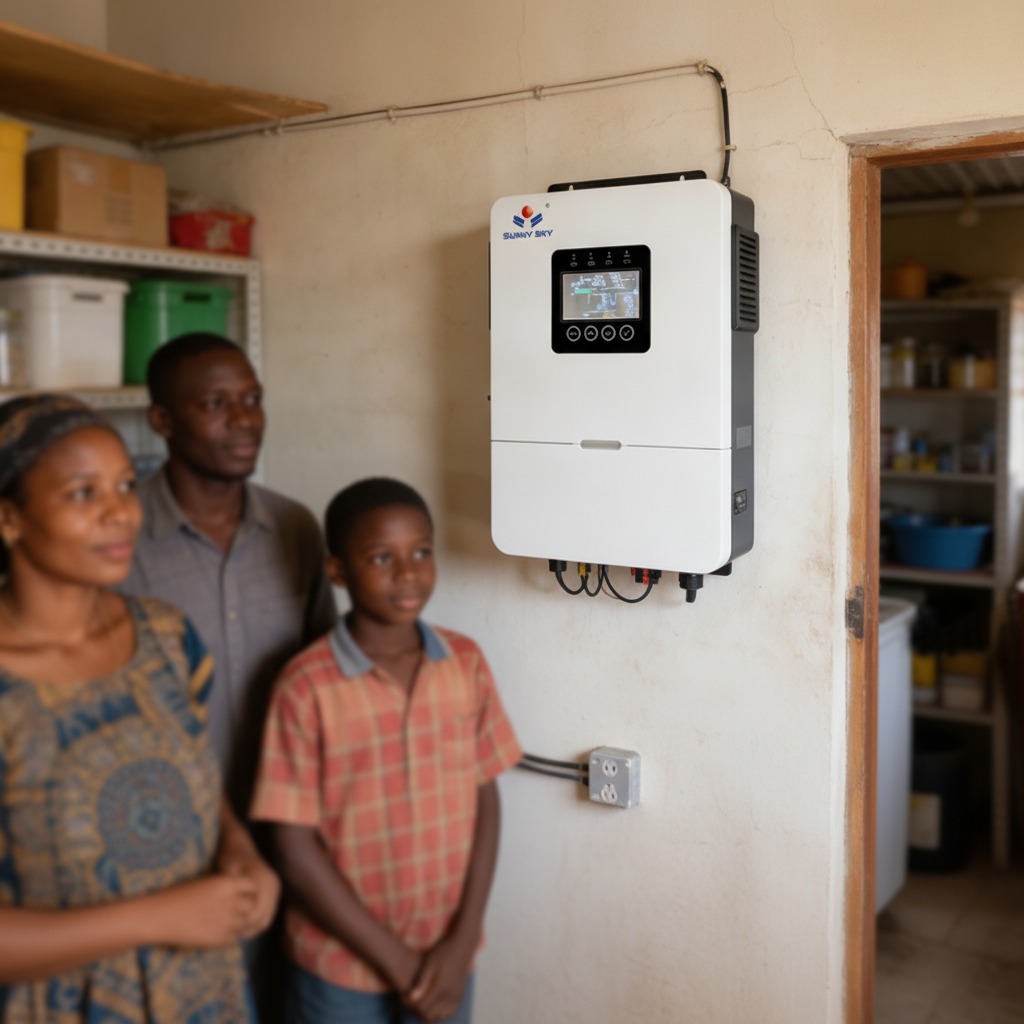
A hybrid solar inverter is a versatile device that combines the functions of a traditional solar inverter with battery storage capabilities, making it ideal for modern solar power systems. If you're exploring solar energy solutions, integrating a hybrid solar inverter can optimize your setup by seamlessly switching between grid power, solar panels, and batteries. This guide will walk you through how to select and install one, ensuring you harness renewable energy inverters effectively for both on-grid and off-grid needs.
Choosing the Best Hybrid Solar Inverter for Your Needs
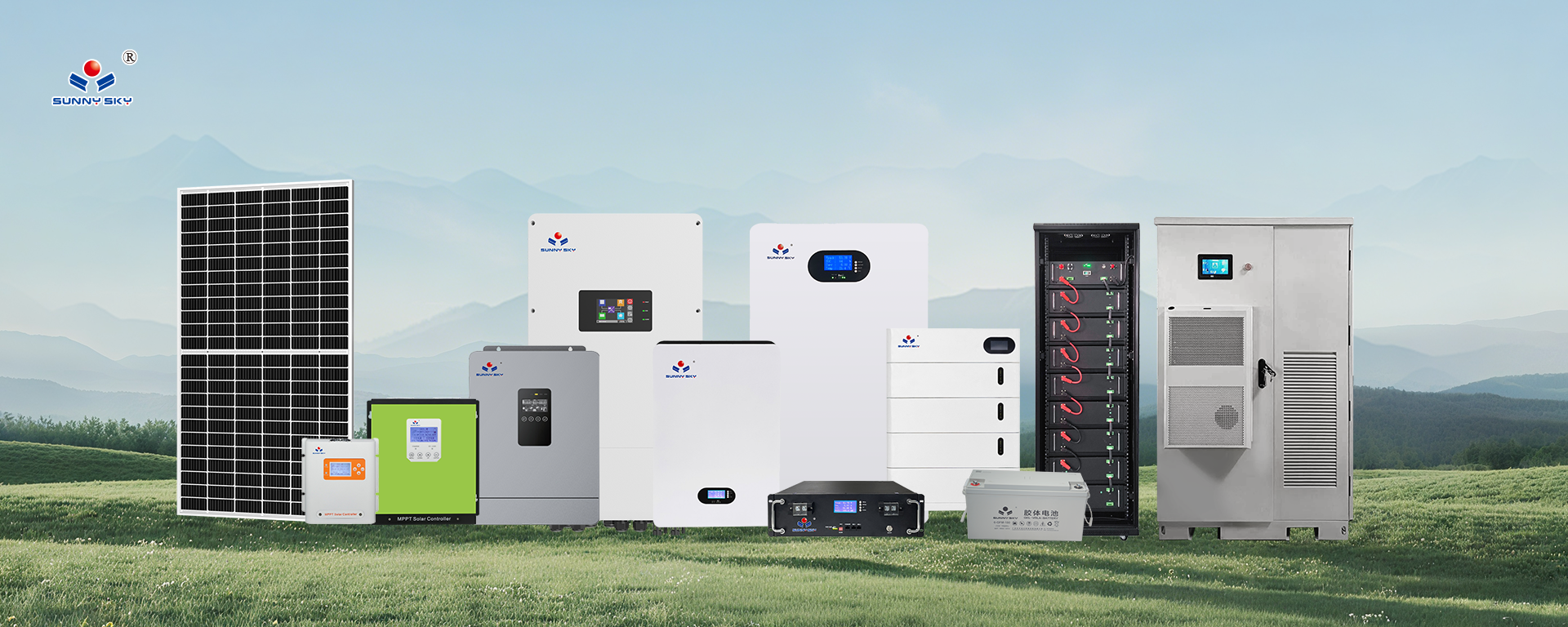
When selecting the best hybrid solar inverters, consider your energy requirements and system type. Start by assessing your household or industrial power consumption to determine the inverter's capacity, typically measured in kilowatts. For residential use, a hybrid inverter for solar panels should support dual input inverters with AC input for grid-tied solar inverter functionality and PV input for direct solar harnessing. Look for models with battery input to enable off-grid hybrid inverter operation during blackouts. Key features like parallel capability allow scaling up with multiple units, while RS-485 communication port and USB WIFI ensure easy monitoring via apps. Our cutting-edge hybrid solar inverter stands out with its dry contact for system integration, circuit breaker for safety, and on/off switch for user control, embodying reliable solar power systems.
Key Features of a Top-Rated Hybrid Solar Inverter
A standout feature in premium renewable energy inverters is the advanced LCD display icons system, which provides real-time insights into energy flow. Positioned intuitively, the solar panel icon at the top left shows photovoltaic output in kilowatts, helping you track solar energy solutions even on variable weather days. The electric grid icon on the top right monitors external power draw, aiding in balancing grid-tied solar inverter use. Below, the battery storage icon displays charge levels for off-grid hybrid inverter scenarios, ensuring uninterrupted supply. The home energy consumption icon reveals usage patterns, allowing optimizations in solar power systems. Additional ports like USB 1 and USB 2 facilitate data transfers and updates, while AC output redistributes power efficiently. This dual input inverter design supports seamless transitions, with green dots indicating active pathways on the display for straightforward energy management.
Step-by-Step Installation Guide for Your Hybrid Solar Inverter
Installing a hybrid solar inverter requires careful planning to maximize its potential in your setup. First, gather tools and ensure compatibility with your existing solar panels and batteries. Mount the unit in a well-ventilated area, connecting PV input to your panels for solar capture and battery input for storage. Secure AC input to the grid for hybrid functionality and AC output to your home's electrical panel. Activate the circuit breaker post-connection and use the on/off switch to power up. For advanced setups, leverage parallel capability by linking multiple units via RS-485 for enhanced performance. Configure settings using the gear icon on the LCD, setting date and time for accurate tracking. Test the system by monitoring icons: ensure the solar panel icon registers input, battery icon shows charging, and home consumption icon reflects load. This process turns your hybrid inverter for solar panels into a robust backbone for renewable energy inverters.
Optimizing Performance and Maintenance Tips
To get the most from your off-grid hybrid inverter or grid-tied solar inverter, regular maintenance is key. Clean PV inputs periodically to maintain efficiency in solar energy solutions. Update firmware via USB ports to access new features like improved USB WIFI connectivity for remote monitoring. Monitor the 'NO' circle on the display, which indicates balanced energy flow, and use dry contact for integrating with smart home systems. For larger solar power systems, parallel operation boosts output, ideal for industrial applications. Track daily energy via position markers on the LCD to identify savings opportunities. By following these steps, your hybrid solar inverter will deliver long-term reliability, reducing reliance on the grid and promoting sustainable living with dual input inverter versatility.
Why Invest in Hybrid Solar Inverters for the Future
Embracing a best hybrid solar inverters setup positions you at the forefront of renewable energy inverters innovation. With features like comprehensive inputs and intuitive displays, these devices support eco-friendly solar power systems while offering cost savings through efficient energy management. Whether for home or business, a well-integrated hybrid solar inverter ensures resilience against power fluctuations, making it a smart choice for forward-thinking users.