Understanding Hybrid Solar Inverters vs. Traditional Inverters
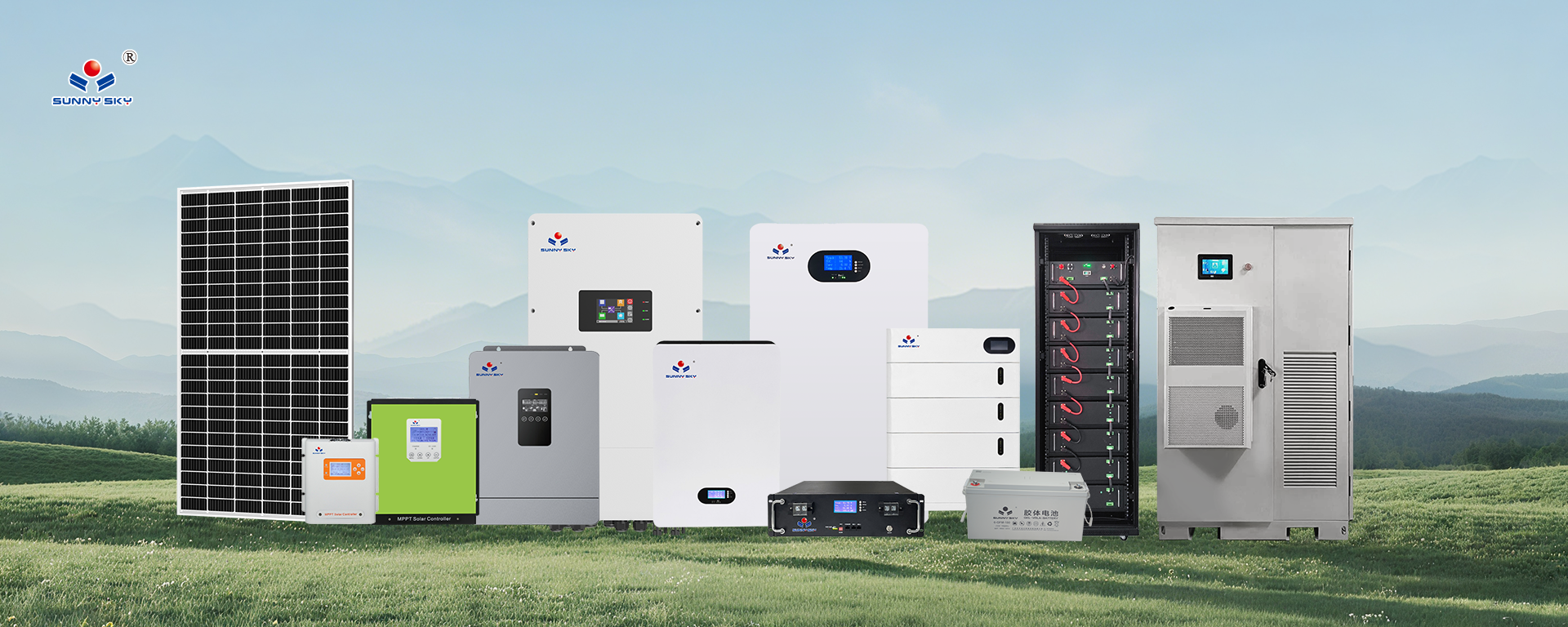
In the evolving world of renewable energy, the hybrid solar inverter stands out as a versatile powerhouse for modern homes and businesses. Unlike traditional solar inverters, which are limited to converting DC power from solar panels into AC power for immediate use, hybrid solar inverters offer integrated battery storage capabilities. This allows them to manage energy from multiple sources, including solar panels, the grid, and stored batteries, making them ideal for hybrid solar systems. As we delve into solar inverter technology, it's clear that hybrid models provide a more flexible approach to energy management compared to their conventional counterparts.
Comparing the Best Hybrid Solar Inverter Options
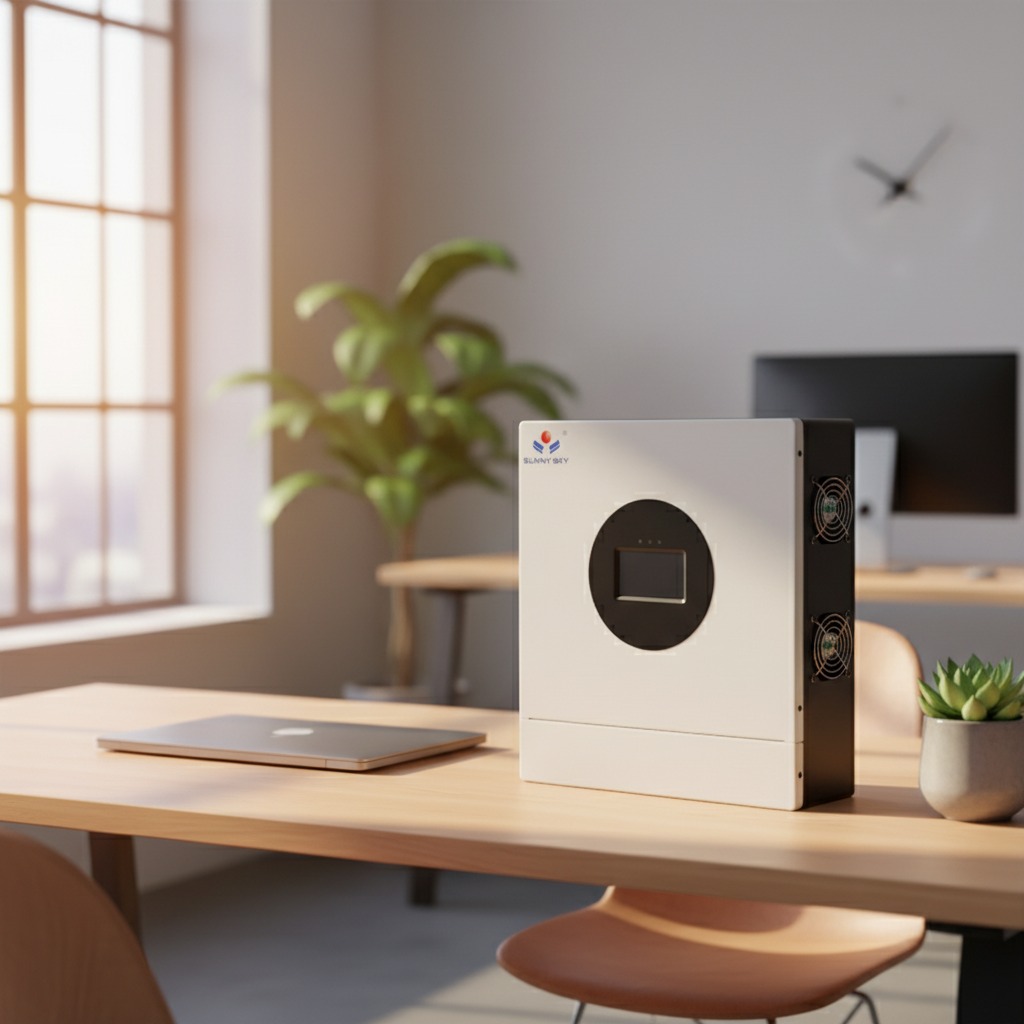
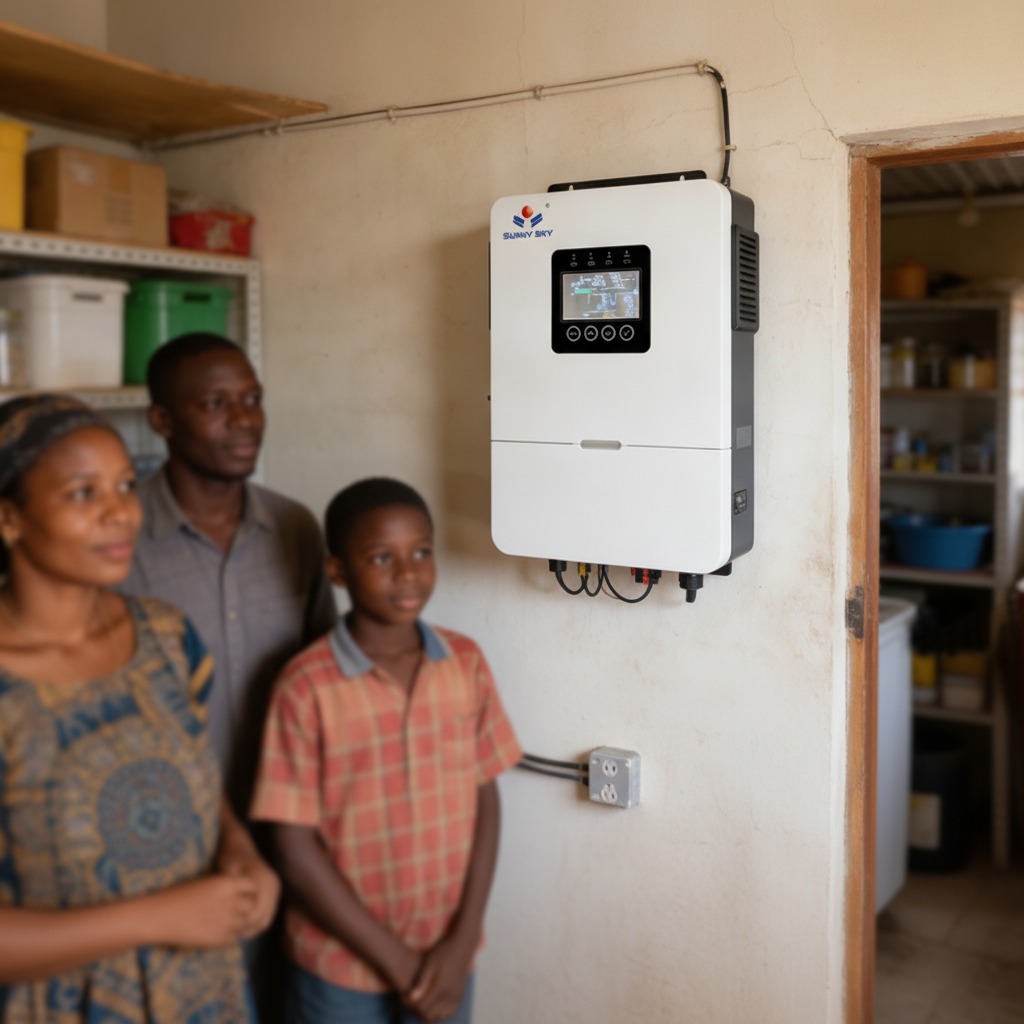
When evaluating the best hybrid solar inverter, features like efficiency, compatibility, and user interface come into play. Traditional inverters, such as string inverters, excel in simplicity and lower upfront costs but fall short in off-grid scenarios where power reliability is crucial. In contrast, an off-grid hybrid inverter like the 6KW model from SUNNY SKY seamlessly switches between grid-tied and standalone modes, ensuring uninterrupted power supply. This hybrid inverter price point is competitive, often providing better long-term value through energy savings. While a standard solar panel inverter might require separate components for battery integration, the renewable energy inverter in a hybrid setup simplifies installation and enhances overall system performance.
Advantages of Hybrid Inverters Over Conventional Systems
The hybrid inverter advantages are particularly evident in energy independence and cost efficiency. Traditional systems rely heavily on grid power during low sunlight hours, leading to higher utility bills, whereas hybrid solar systems with inverter battery storage allow users to store excess solar energy for nighttime or cloudy days. For instance, the SUNNY SKY 6KW hybrid solar inverter boasts high efficiency up to 98%, a user-friendly LCD display for real-time monitoring, and smart technology that optimizes energy flow. Compared to pure off-grid inverters, which can be bulky and less efficient in hybrid setups, this compact design saves space without compromising durability. In terms of solar inverter technology, hybrids reduce reliance on fossil fuels more effectively, promoting sustainable living.
Price and Performance: Hybrid vs. Non-Hybrid Inverters
Discussing hybrid inverter price reveals a nuanced comparison. Basic solar panel inverters might cost less initially, around 20-30% cheaper than hybrids, but they lack the advanced features that justify the investment in a renewable energy inverter. The 6KW hybrid from SUNNY SKY, with its robust construction for varying weather, offers superior longevity—often lasting 10-15 years versus 8-10 for traditional models. In off-grid hybrid inverter applications, the ability to prioritize solar or battery power prevents blackouts, a feature absent in grid-tied-only systems. Users benefit from detailed energy consumption data, enabling smarter decisions that can cut electricity bills by up to 50%. This blend of functionality makes hybrid solar inverters a smarter choice for forward-thinking energy users.
Future-Proofing with Hybrid Solar Technology
Looking ahead, the shift toward hybrid solar systems underscores their edge over outdated inverter tech. While conventional inverters suffice for simple rooftop setups, they can't match the scalability of hybrids in growing renewable energy demands. The integration of inverter battery storage in hybrids like SUNNY SKY's model supports expansion, from residential to commercial scales, without major overhauls. In essence, choosing a hybrid solar inverter not only contrasts favorably with traditional options in efficiency and versatility but also aligns with global sustainability goals, ensuring reliable, eco-friendly power for the future.