The Evolution of Energy Storage: Beyond Traditional Batteries
As the world increasingly shifts towards renewable energy sources, the need for efficient and reliable energy storage has never been more critical. At the heart of this revolution is the modern 51.2V lithium battery, a technology that is fundamentally changing how we power our homes and businesses. For decades, traditional battery systems served as the primary option, but their inherent limitations have paved the way for more advanced solutions. Today, integrating a high-performance battery is not just an option but a necessity for creating a truly effective solar power system, ensuring energy is available whenever it's needed, day or night.
Lead-Acid vs. Lithium-Ion: A Clear Winner Emerges
When comparing energy storage options, the most common debate is between traditional lead-acid batteries and the newer lithium ion battery technology. The contrast is stark. Lead-acid batteries, while cheaper upfront, suffer from a shorter lifespan, typically lasting only a few hundred to a thousand cycles. They also require regular maintenance and have a lower depth of discharge, meaning you can only use about 50% of their stated capacity without causing damage. In contrast, a lithium ion battery offers a significantly longer cycle life, often exceeding 6,000 cycles, and can be safely discharged to 80-90% of its capacity. This means a high capacity lithium battery provides far more usable energy over its lifetime. Furthermore, their superior efficiency and lighter, more compact form factor make them an ideal choice for residential applications, such as a wall-mounted solar battery, where space and aesthetics are important.
Deep Dive into LiFePO4: The Premier Choice for Solar Storage
Within the lithium-ion family, Lithium Iron Phosphate (LiFePO4) chemistry stands out as the safest and most durable option, making it the premier solar storage battery. Unlike other lithium chemistries that can be prone to thermal runaway, LiFePO4 is incredibly stable and resistant to overheating, a critical safety feature for any device installed in a home. This inherent safety makes it the perfect technology for a power wall battery, providing peace of mind alongside exceptional performance. The longevity of LiFePO4 is also unmatched, often lasting for 15 years or more, which makes it a superior long-term investment. For anyone looking to build a resilient and dependable energy system, a LiFePO4-based unit is the ultimate battery for solar systems.
Practical Applications: The Rise of the Wall-Mounted Solar Battery
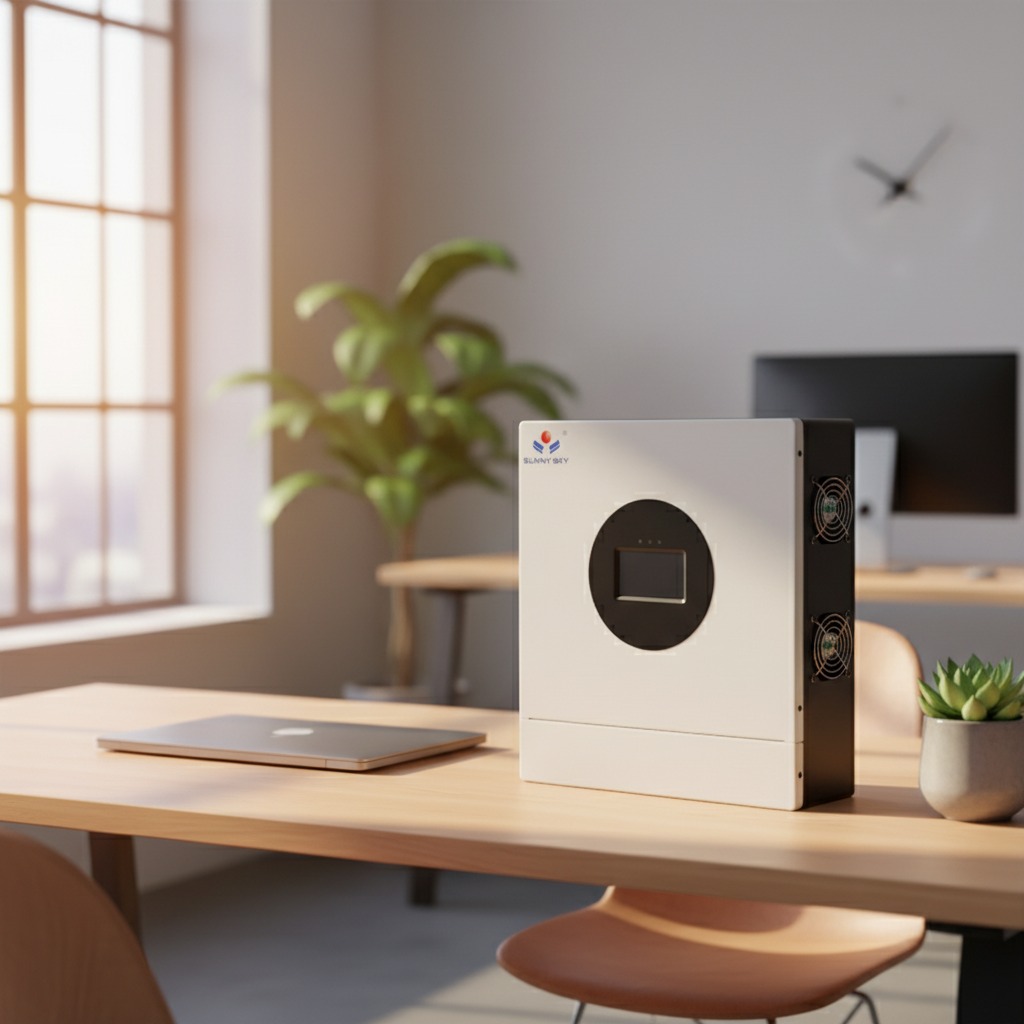
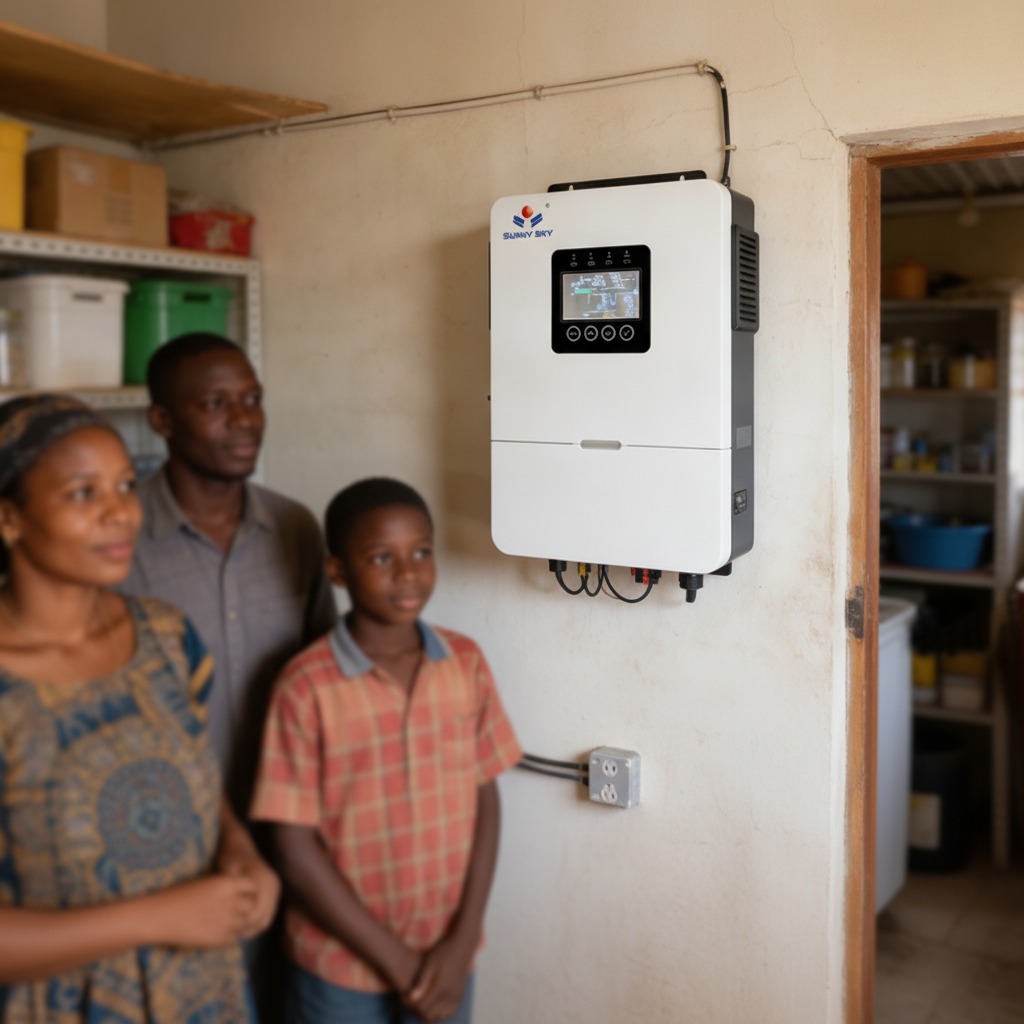
The technological advantages of LiFePO4 are best exemplified in modern product designs like the 350AH wall-mounted battery. These sleek, all-in-one units integrate seamlessly into a home, offering a powerful energy hub without the clutter and bulk of traditional battery banks. This design is perfect for both grid-tied systems, where it can store excess solar energy to reduce electricity bills, and for completely self-sufficient living. For those seeking true energy independence, this type of system excels as an off-grid solar battery, capable of powering an entire household through extended periods without sunlight or grid access. The combination of high capacity, safety, and a user-friendly design marks a significant leap forward in residential energy storage.
Choosing the Right Solution for Your Future
Ultimately, the choice between outdated and modern battery technology comes down to performance, safety, and long-term value. While lead-acid batteries may have been the standard in the past, their numerous drawbacks make them a poor investment in today's energy landscape. A state-of-the-art 51.2V lithium battery, particularly one using LiFePO4 technology, offers a comprehensive solution that excels in every category. It delivers more usable energy, lasts significantly longer, requires no maintenance, and operates with a higher degree of safety. For anyone serious about harnessing the full potential of their solar power system and securing their energy future, advanced lithium technology is the clear and logical choice.