Understanding the 48V Solar Inverter: Powering Modern Renewable Energy Systems
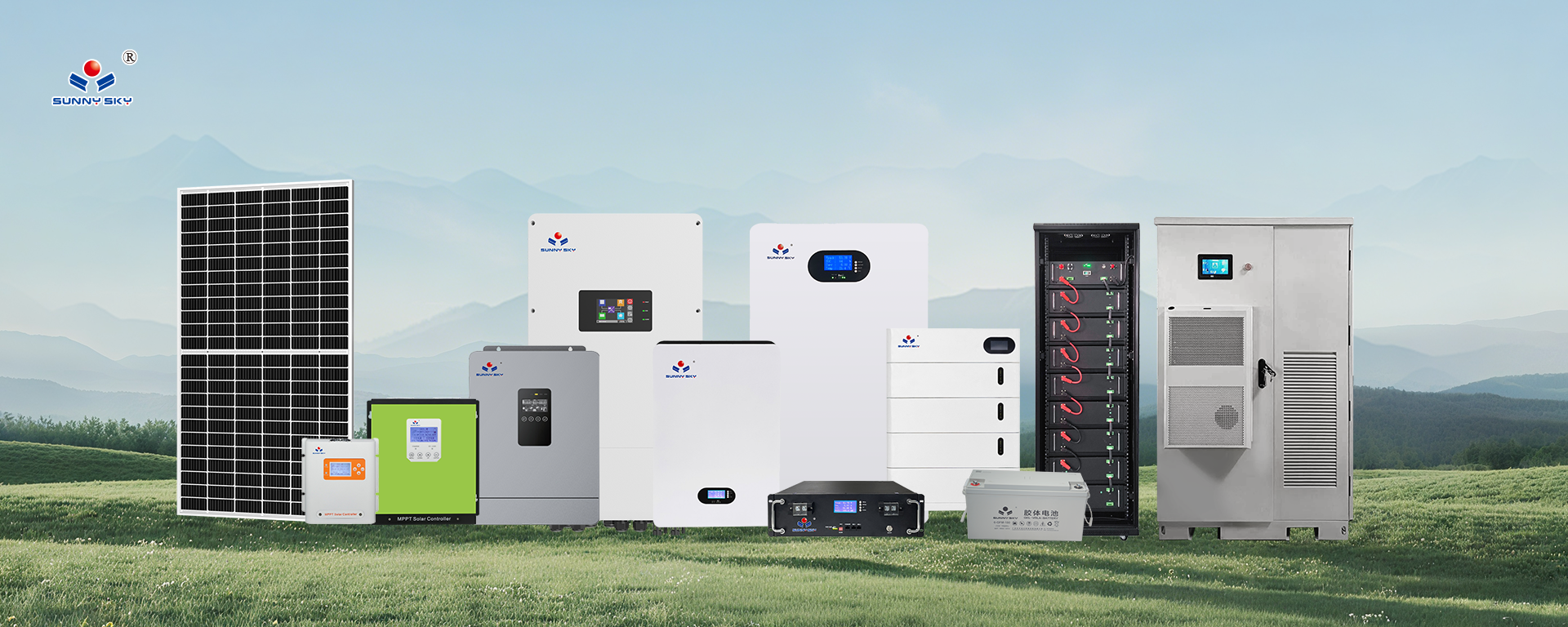
The 48V solar inverter serves as a cornerstone in solar energy solutions, efficiently converting direct current from solar panels into usable alternating current for homes and businesses. Unlike traditional inverters, this 48V model offers higher voltage stability, making it ideal for larger setups where efficiency is paramount. In the realm of renewable energy inverters, the 48V solar inverter stands out by balancing performance with affordability, particularly when integrated into hybrid solar systems.
Comparing 48V Solar Inverters with 3.6KW Hybrid Inverters: Efficiency and Scalability
When comparing the 48V solar inverter to the 3.6KW hybrid inverter, key differences emerge in power handling and versatility. A 48V solar inverter excels in off-grid scenarios, providing robust support for battery banks at 48 volts, which reduces wiring losses and enhances overall system efficiency. In contrast, the 3.6KW hybrid inverter, like those from innovative providers, focuses on smaller-scale residential applications, blending grid and solar inputs seamlessly but often limited to lower voltage thresholds. For instance, while a 48V model might handle surges up to 6KW with ease, the 3.6KW variant prioritizes compact design for urban homes, potentially sacrificing some scalability. This contrast highlights how the 48V solar inverter is better suited for expansive solar power inverter needs, whereas the hybrid option shines in mixed-use environments where grid backup is frequent.
Bidirectional Inverter Features: Traditional vs. Advanced 48V Capabilities
Delving into bidirectional inverter technology, the 48V solar inverter incorporates advanced features that allow energy flow in both directions, optimizing sustainable energy systems. Traditional unidirectional inverters push power one way, from panels to loads, but the bidirectional inverter in a 48V setup enables charging batteries from the grid during off-peak hours, a feature absent in basic models. Compared to a standard off-grid solar inverter, which might lack this reversibility, the 48V version with bidirectional functionality reduces energy waste by up to 20%, making it a superior choice for hybrid solar systems. This evolution in solar inverter technology underscores the shift toward more interactive renewable energy inverters, where the 48V solar inverter outperforms legacy systems in adaptability and cost savings over time.
Solar Energy Solutions: Off-Grid Solar Inverter vs. Grid-Tied 48V Systems
In the broader landscape of solar energy solutions, contrasting an off-grid solar inverter with a grid-tied 48V solar inverter reveals stark operational philosophies. Off-grid models, often standalone, rely solely on solar and battery storage, ideal for remote locations but vulnerable to extended cloudy periods without sufficient reserves. Conversely, the grid-tied 48V solar inverter integrates with utility power, allowing excess energy export for credits, which enhances financial returns in sustainable energy systems. For example, while an off-grid solar inverter might require oversized batteries for reliability, the 48V variant leverages grid support to minimize storage needs, lowering upfront costs. This comparison emphasizes the 48V solar inverter's edge in flexibility, particularly for users transitioning to solar power inverter setups that prioritize long-term resilience and environmental impact.
Embracing Solar Inverter Technology for Future-Proof Sustainable Energy
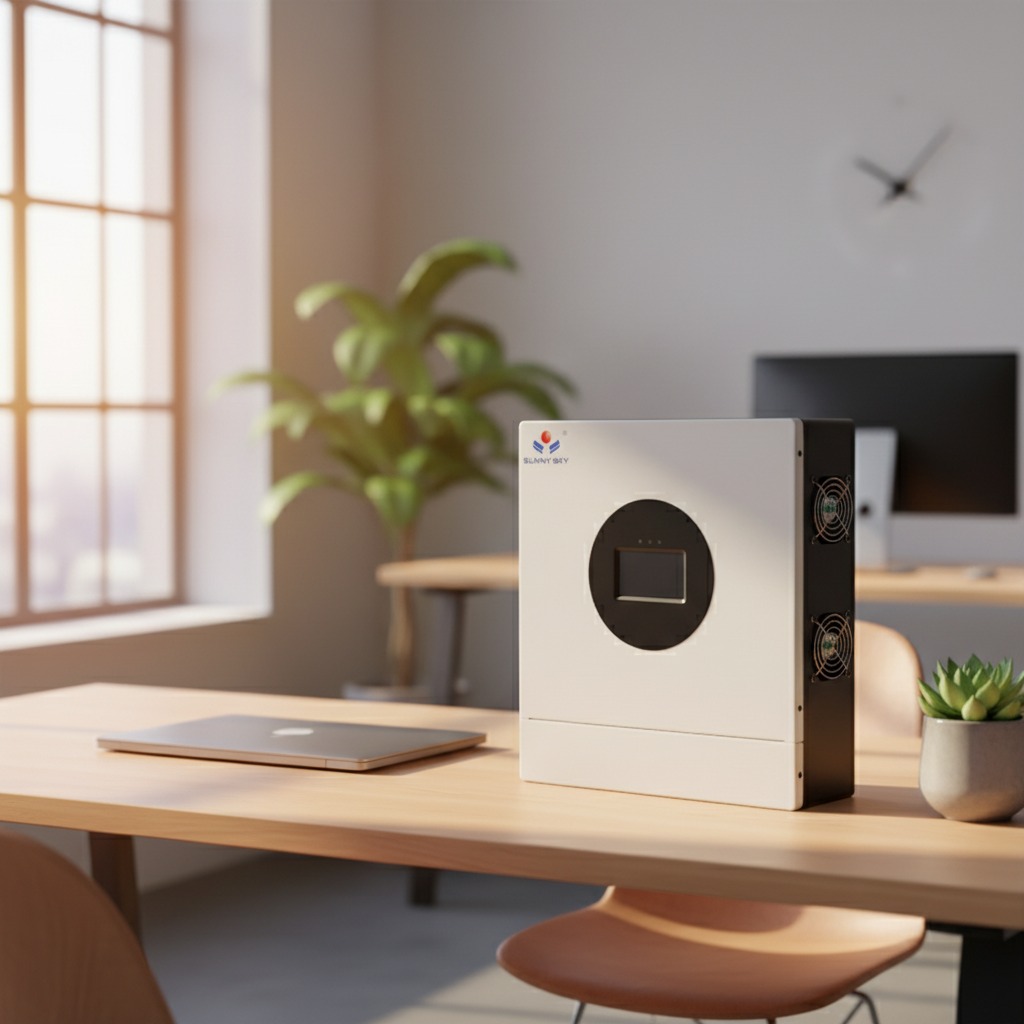
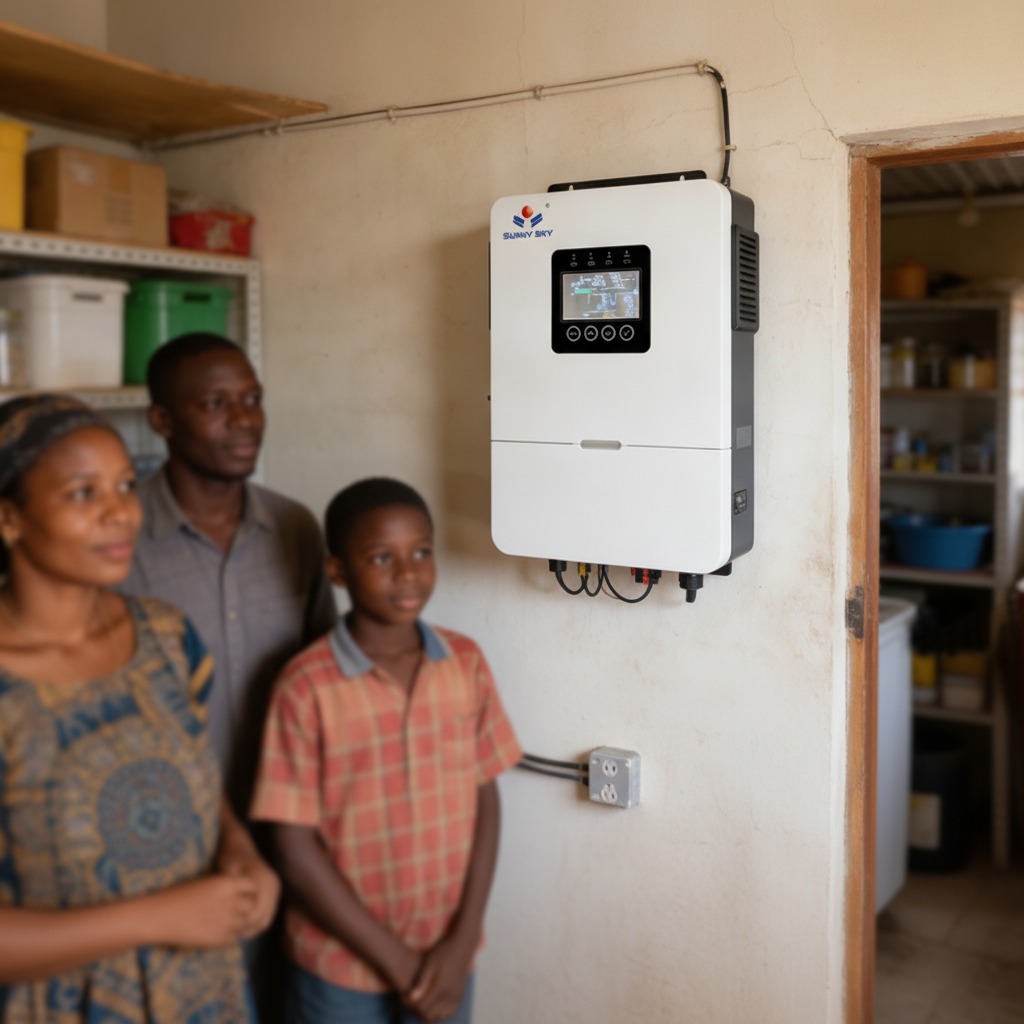
Looking ahead, the 48V solar inverter's role in advancing solar inverter technology cannot be overstated, especially when juxtaposed against emerging hybrid alternatives. Devices like the 6KW Hybrid Solar Inverter from Sunny Sky exemplify this progression, featuring a prominent LCD screen for real-time monitoring of voltage, current, and power—capabilities that surpass many conventional 48V units in user-friendliness. While a basic 48V solar inverter provides solid conversion efficiency, the hybrid model's seamless management of solar and grid sources offers superior optimization, with durable construction ensuring longevity in varied conditions. In contrast to purely off-grid solar inverters, which may falter in inconsistent sunlight, the bidirectional inverter aspects in modern 48V designs, combined with hybrid solar systems, deliver unmatched reliability. Ultimately, choosing between these underscores a preference for scalable renewable energy inverters that align with personal energy goals, making the 48V solar inverter a versatile foundation for comprehensive solar energy solutions and sustainable energy systems.