Comparing 48V Solar Inverters with Traditional Power Solutions
In the evolving landscape of renewable energy, the 48V solar inverter stands out as a pivotal component for efficient power conversion in solar setups. Unlike conventional grid-tied systems that rely solely on utility power, a 48V solar inverter offers a balanced approach by integrating solar input with battery storage, providing stability during outages. This comparison highlights how 48V solar inverters outperform traditional inverters in energy efficiency and cost savings, making them ideal for homeowners seeking reliable power without constant grid dependence.
Hybrid Solar Systems vs. Standard Inverters: A Closer Look
When contrasting hybrid solar systems with standard inverters, the advantages of the former become evident. A 3.6KW hybrid inverter, for instance, exemplifies this by allowing seamless switching between solar, battery, and grid sources, whereas standard inverters lack this versatility and often result in energy wastage during peak solar hours. Hybrid solar systems, powered by a 48V solar inverter, enable users to store excess energy for nighttime use, reducing electricity bills by up to 70% compared to non-hybrid setups that simply feed surplus power back to the grid at lower rates. This bidirectional capability in hybrid designs ensures optimal energy utilization, contrasting sharply with the one-way flow of traditional systems.
Bidirectional Inverter Features in 48V Configurations
Delving into bidirectional inverter technology, these units differ significantly from unidirectional models by supporting energy flow in both directions—charging batteries from the grid when solar input is low and discharging back when needed. A 48V solar inverter with bidirectional features, like those in advanced solar energy solutions, provides greater flexibility for off-grid applications, unlike basic inverters that falter in remote areas without grid support. For example, while a conventional off-grid solar inverter might struggle with voltage regulation under varying loads, a bidirectional 48V model maintains consistent output, enhancing system longevity and performance in sustainable energy systems.
Solar Inverter Technology: 48V vs. Lower Voltage Options
Solar inverter technology has advanced, with 48V systems offering superior efficiency over lower voltage counterparts like 12V or 24V inverters. The higher voltage in a 48V solar inverter reduces current flow, minimizing energy losses in wiring and components—often achieving 95% efficiency compared to 85% in lower-voltage setups. Renewable energy inverters at 48V levels, integrated into hybrid solar systems, also support larger solar arrays without excessive heat buildup, a common issue in lower-voltage solar power inverters that can lead to premature failures. This makes 48V options more suitable for scalable solar energy solutions, contrasting with the limitations of smaller systems that cap out at modest power outputs.
Off-Grid Solar Inverter Applications and Sustainability
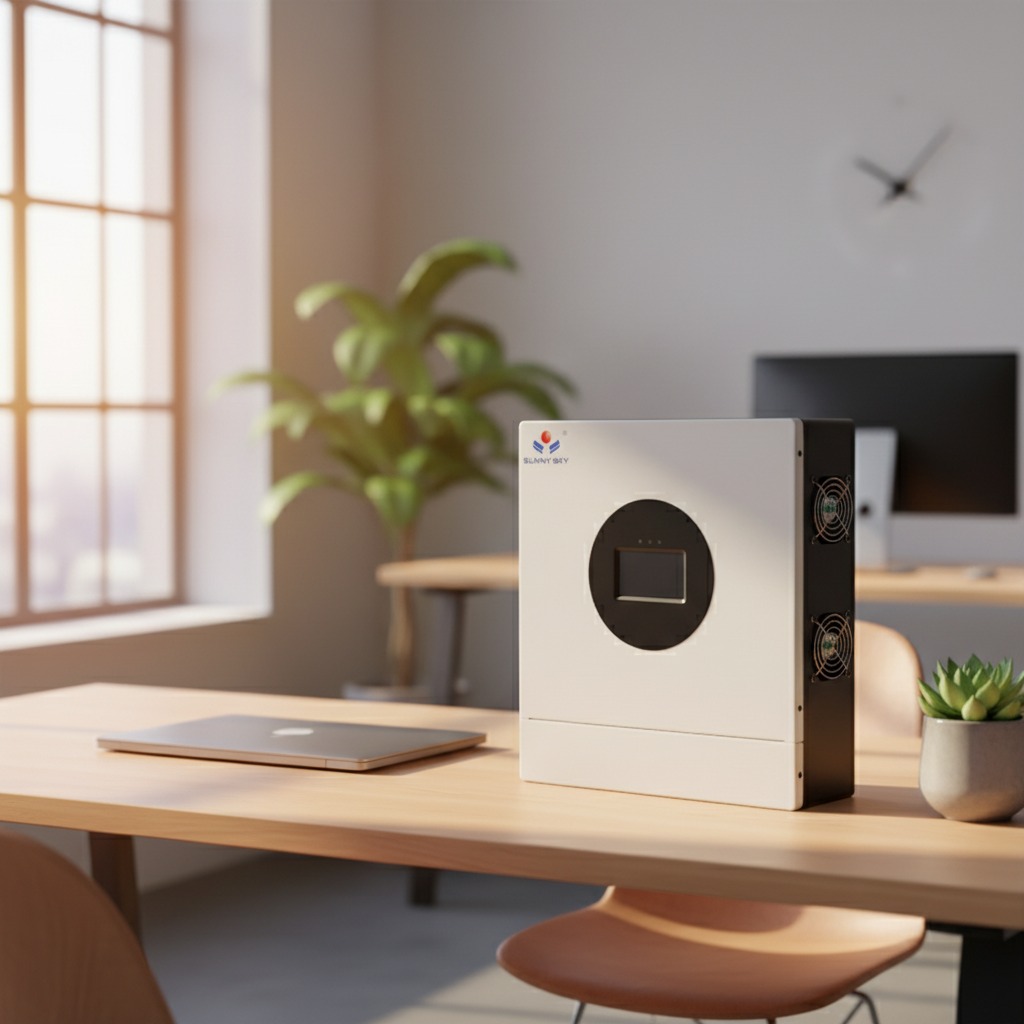
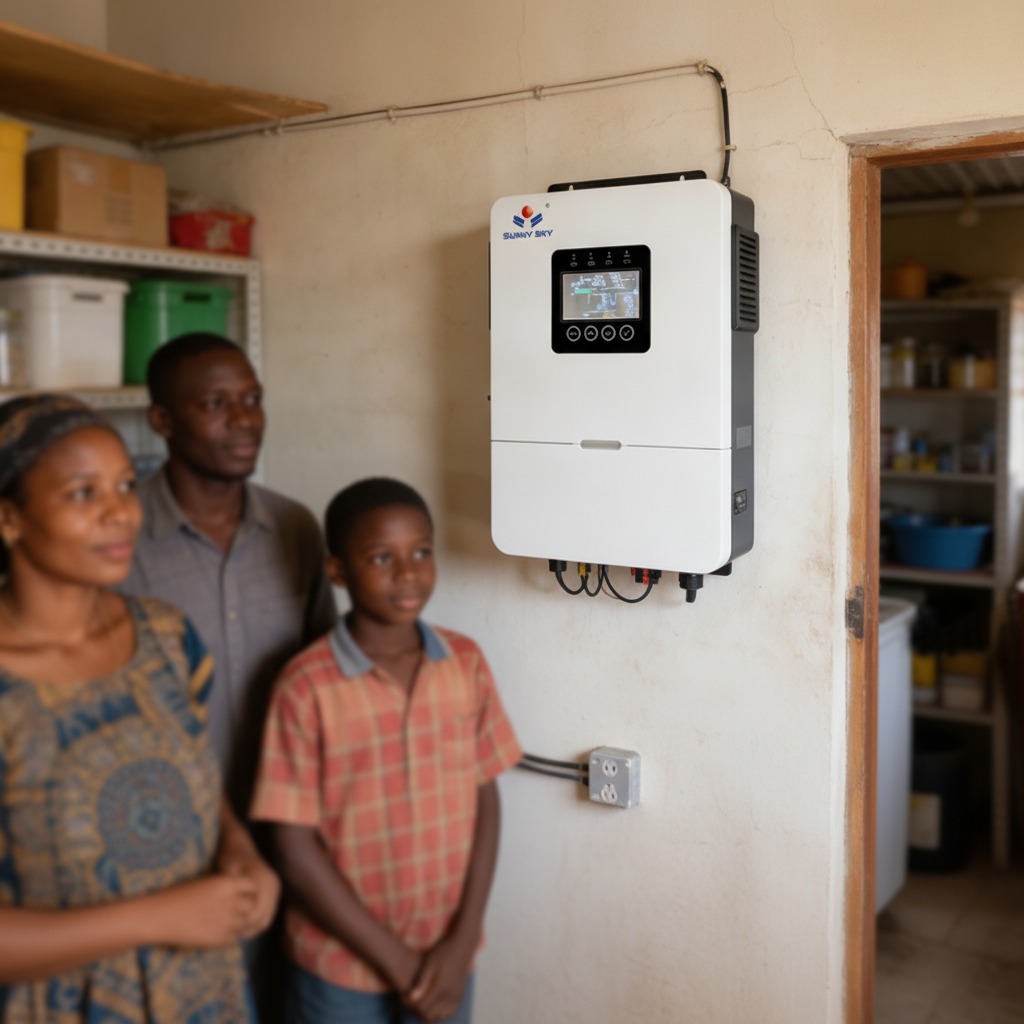
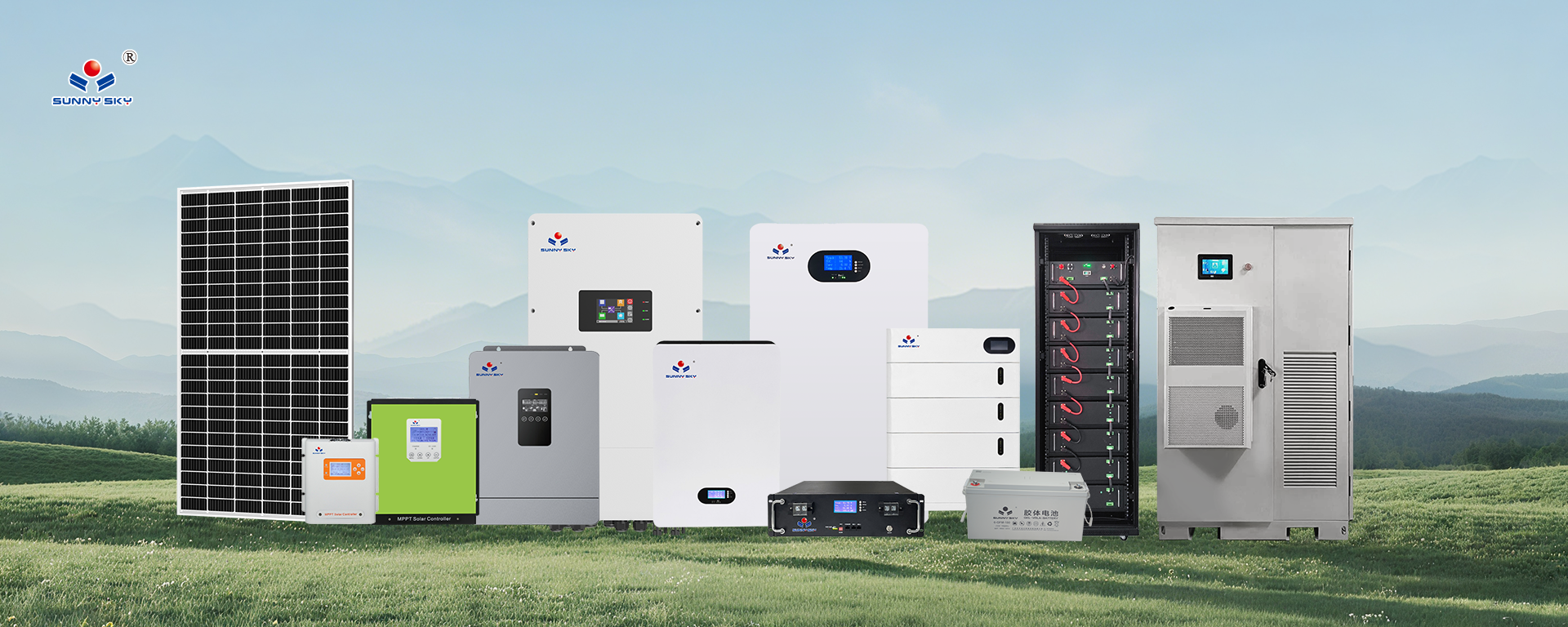
In off-grid scenarios, a 48V solar inverter shines by powering entire households independently, unlike grid-dependent inverters that cease operation during blackouts. Consider the Sunny Sky 6KW Hybrid Solar Inverter, which embodies this technology with its robust 48V architecture, versatile LCD display for real-time monitoring, and support for multiple power modes. This unit's hybrid functionality contrasts with pure off-grid solar inverters by offering grid-tie options when available, ensuring uninterrupted power. Its durable build withstands harsh environments, promoting sustainable energy systems that lower carbon footprints—far beyond the intermittent reliability of non-hybrid alternatives. By maximizing solar harnessing and battery management, it delivers eco-friendly performance that traditional setups simply can't match.
Overall, the shift to 48V solar inverters represents a smart evolution in solar technology, blending efficiency, versatility, and sustainability for a greener future.