Understanding the 48V Solar Inverter: A Core Component of Modern Solar Energy Solutions
In the evolving landscape of solar power inverter technology, the 48V solar inverter stands out as a pivotal device for efficient energy conversion. This inverter operates at 48 volts, making it suitable for larger-scale installations compared to lower-voltage counterparts like 12V or 24V models. Unlike traditional inverters that solely convert DC to AC power, the 48V solar inverter often integrates advanced features for hybrid solar systems, allowing seamless blending of solar and grid energy. When juxtaposed with standard grid-tied inverters, the 48V solar inverter excels in off-grid scenarios, providing greater stability and capacity for renewable energy inverter needs in sustainable energy systems.
Comparing the 3.6KW Hybrid Inverter with Higher-Capacity 48V Models
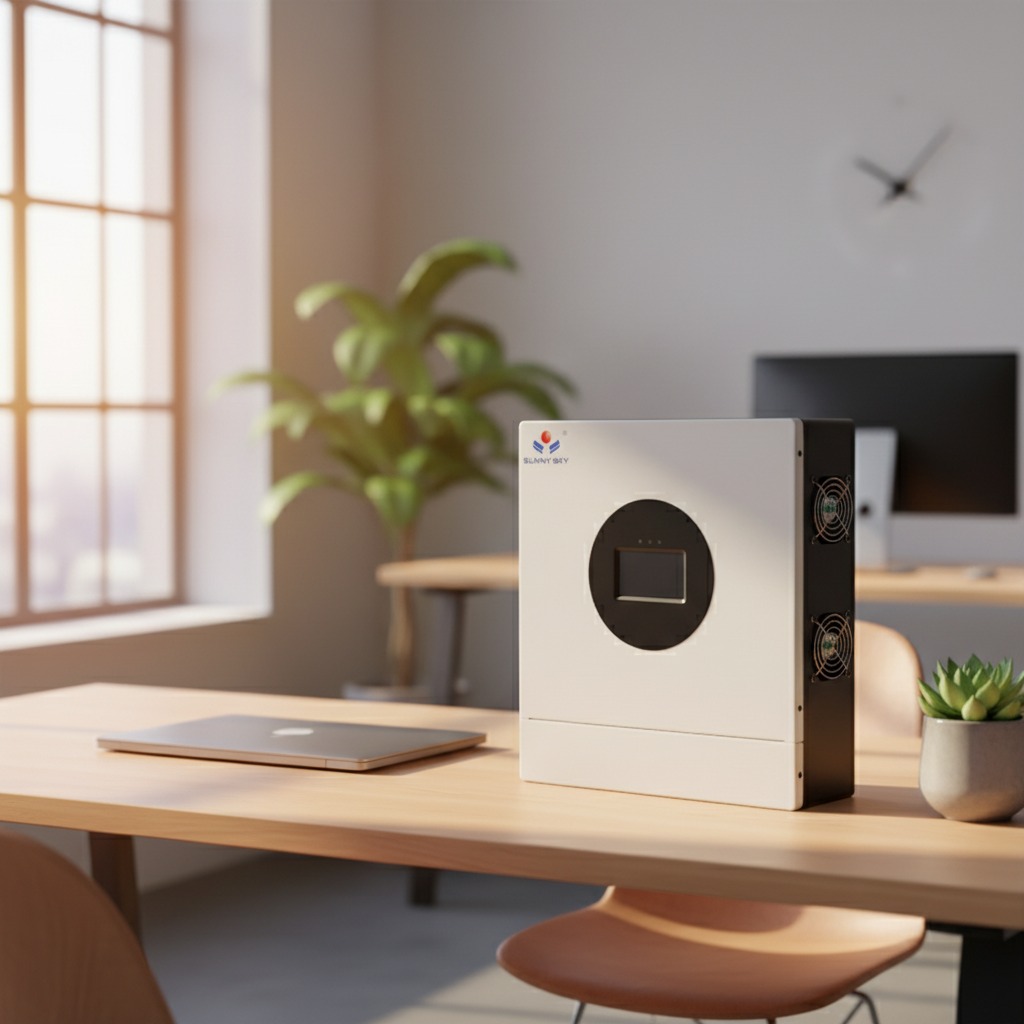
A 3.6KW hybrid inverter represents an entry-level option in solar energy solutions, ideal for small households or basic setups. It efficiently manages bidirectional inverter functions, charging batteries from solar panels or the grid while supplying AC power to appliances. In contrast, a 48V solar inverter, such as the robust Sunny Sky 6KW Hybrid Solar Inverter, handles significantly higher loads, supporting more demanding applications like powering entire homes or small businesses. The Sunny Sky model, with its sleek white design and intuitive LCD display, offers real-time monitoring of power input, output, and battery status—features that surpass the simpler interfaces of many 3.6KW units. While the smaller inverter might suffice for minimal energy needs, the 48V version's higher voltage reduces current draw, minimizing wiring losses and enhancing overall efficiency in hybrid solar systems. This comparison highlights how the 48V solar inverter provides superior scalability for those investing in long-term solar inverter technology.
Off-Grid Solar Inverter vs. Grid-Tied Alternatives: Reliability in Action
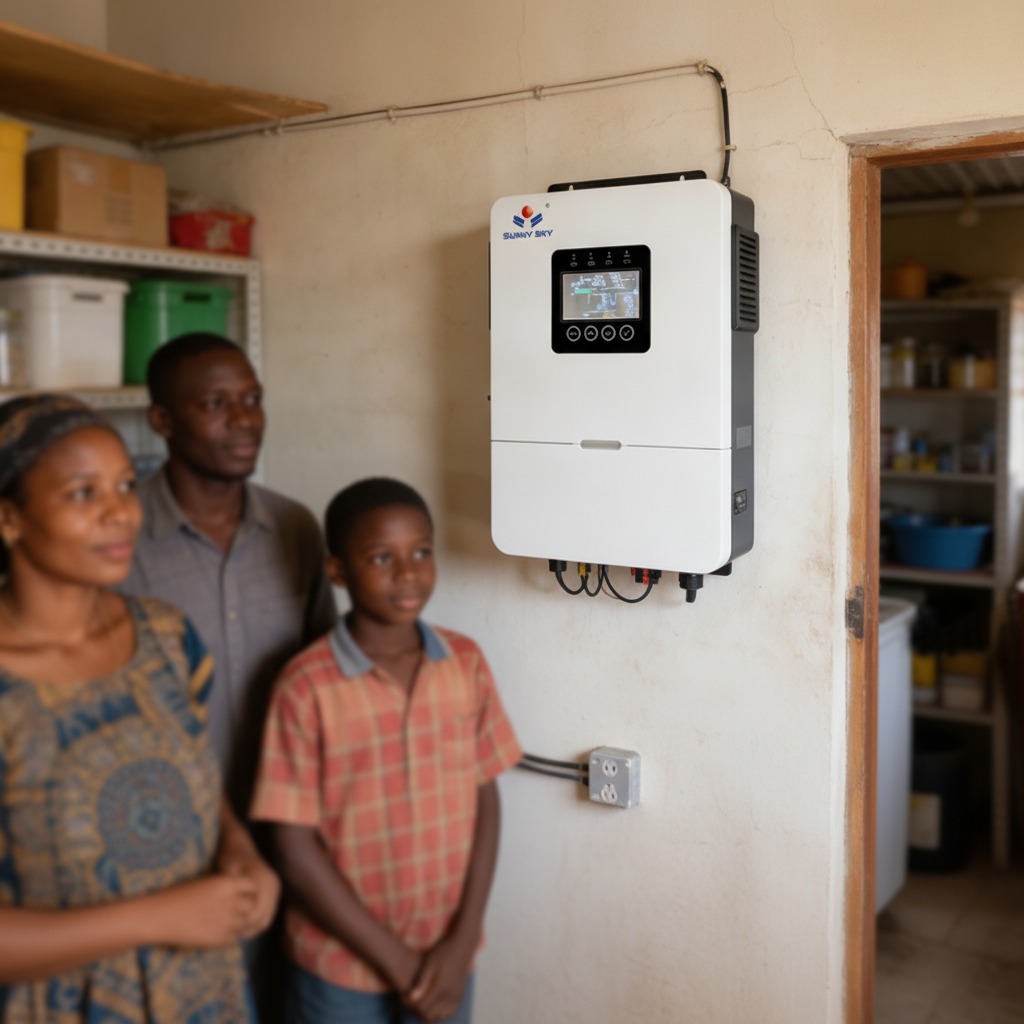
Off-grid solar inverters, particularly those built on 48V platforms, are engineered for complete energy independence, storing excess solar power in batteries for use during low sunlight periods. This contrasts sharply with grid-tied inverters, which rely on utility connections and may shut down during outages, leaving users vulnerable. The bidirectional inverter capability in 48V solar inverters, like the Sunny Sky 6KW, allows energy to flow both ways—feeding back to the grid when possible or operating autonomously off-grid. In sustainable energy systems, this versatility means fewer disruptions compared to purely grid-dependent setups. For instance, while a standard solar power inverter might prioritize cost savings through net metering, the off-grid solar inverter emphasizes resilience, making it a preferred choice for remote locations or areas with unreliable power grids. The Sunny Sky's durable construction and user-friendly controls further amplify its edge, ensuring reliable performance across diverse environmental conditions.
Hybrid Solar Systems: Balancing Solar and Traditional Energy Sources
Hybrid solar systems leverage the strengths of both solar and conventional energy, with the renewable energy inverter at their heart. A 48V solar inverter facilitates this integration more effectively than standalone solar inverters, automatically switching between sources to optimize usage and reduce costs. Compared to non-hybrid systems, which might waste excess solar energy or incur high grid bills, hybrid setups with 48V technology—like the Sunny Sky 6KW—maximize self-consumption and battery storage. This inverter's compact design and high-quality materials ensure it fits seamlessly into residential or commercial spaces, outperforming bulkier, less efficient alternatives. In terms of solar inverter technology advancements, the bidirectional features enable smart energy management, contrasting with older inverters that lack such intelligence. Ultimately, for those pursuing comprehensive solar energy solutions, the 48V solar inverter's ability to contrast and complement traditional power sources makes it indispensable for building resilient, eco-friendly sustainable energy systems.
By choosing a 48V solar inverter, users not only gain efficiency and reliability but also contribute to a greener future through innovative solar power inverter designs. Whether contrasting smaller models or grid-reliant options, this technology empowers informed decisions for optimal energy independence.