Comparing 48V Solar Inverters: Key Options and Features for Modern Energy Needs
In the evolving world of renewable energy, the 48V solar inverter stands out as a pivotal device for converting solar power into usable electricity. When juxtaposing it against alternatives like the 3.6KW hybrid inverter, it's clear how these technologies differ in capacity, efficiency, and application. This comparison highlights why a 48V solar inverter might be preferable for larger setups, while smaller hybrids suit modest homes, ultimately guiding users toward optimal solar energy solutions.
Power Capacity: 48V Solar Inverter vs. 3.6KW Hybrid Inverter
A 48V solar inverter typically operates at a higher voltage level, enabling it to handle more substantial power demands compared to the 3.6KW hybrid inverter, which is designed for lighter loads. The 48V model excels in residential or small commercial environments where energy consumption peaks during evenings or outages, providing robust output without excessive wiring losses. In contrast, the 3.6KW hybrid inverter, with its integrated battery management, prioritizes compactness and ease for off-grid setups, but it may fall short in scalability for growing energy needs. For instance, while the 3.6KW unit might suffice for a family of four powering essentials like lights and appliances, a 48V solar inverter can support additional loads such as HVAC systems, making it a better fit for expansive hybrid solar systems.
Integration and Versatility: Bidirectional Inverter Capabilities
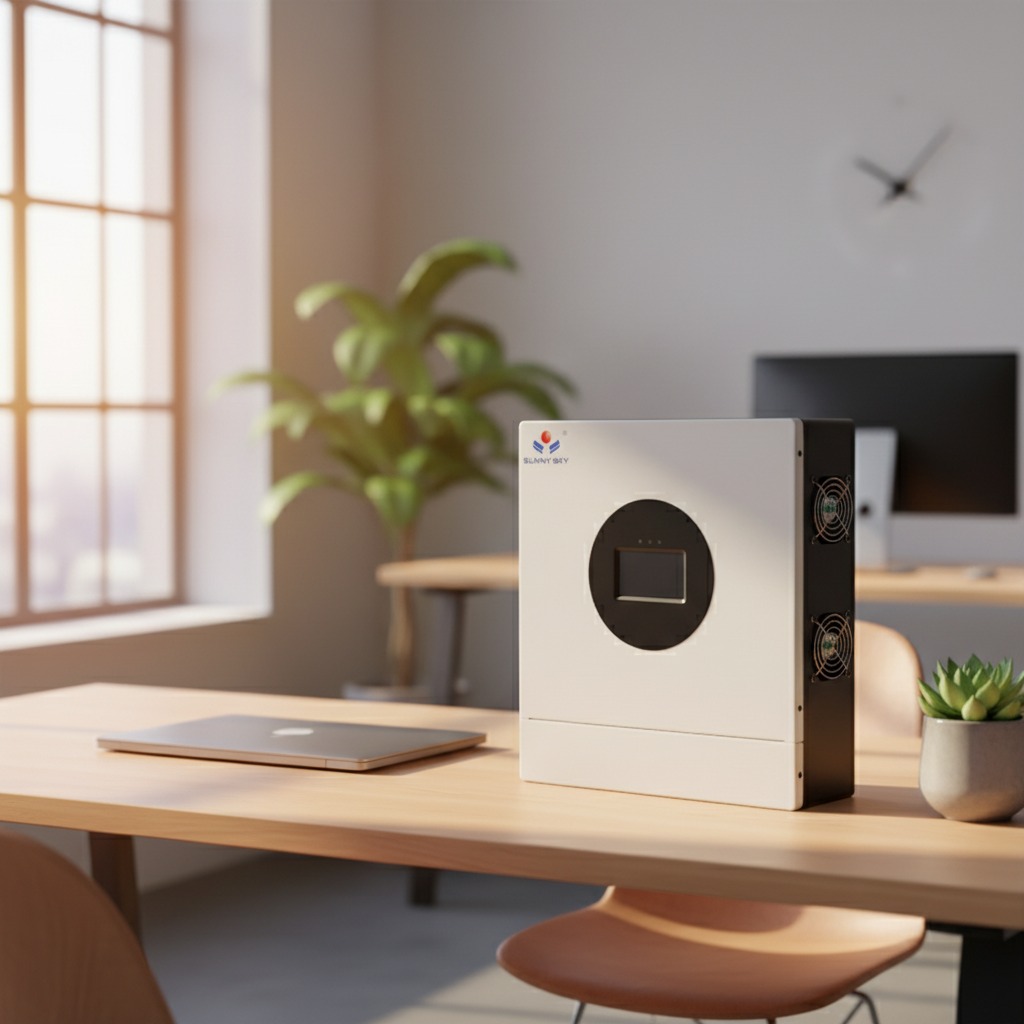
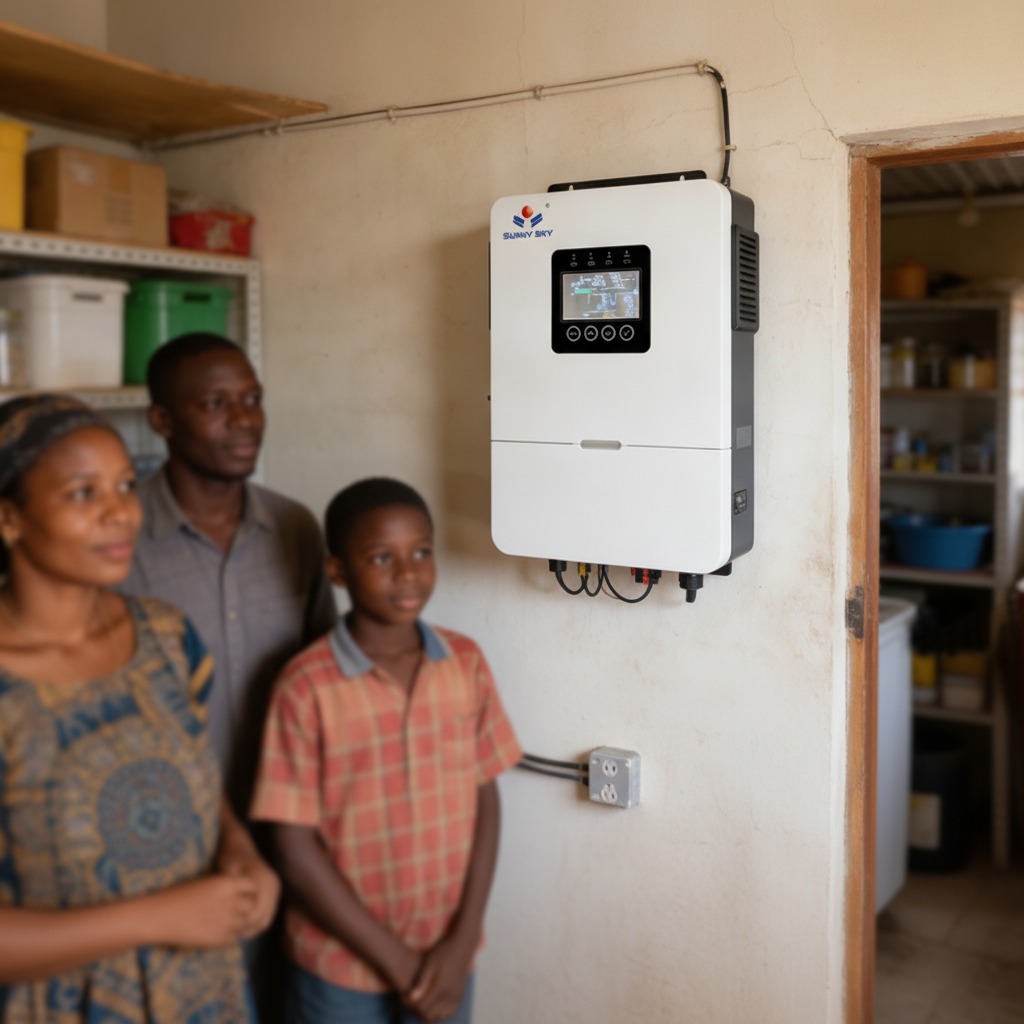
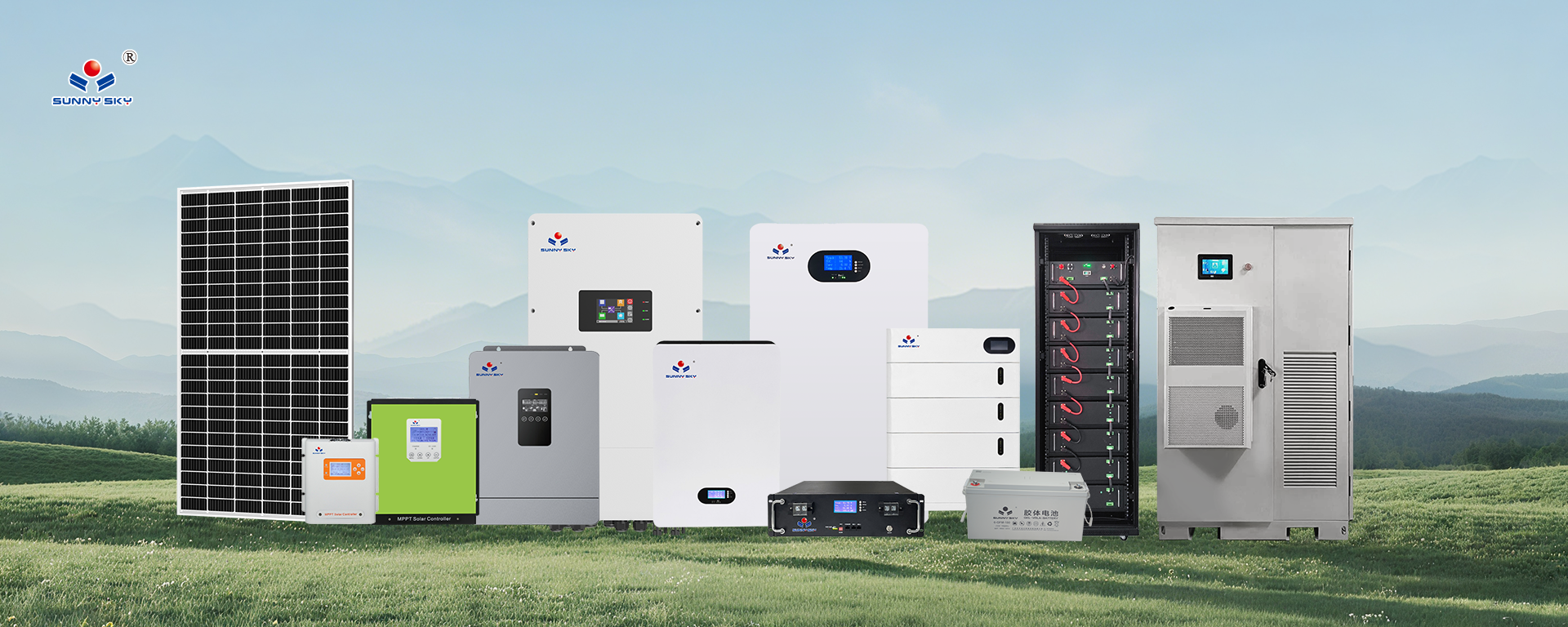
Delving into bidirectional inverter features, the 48V solar inverter often incorporates advanced bidirectional charging, allowing seamless energy flow between solar panels, batteries, and the grid— a step ahead of basic renewable energy inverters. This contrasts with traditional solar power inverters that lack such duality, focusing solely on DC-to-AC conversion without battery optimization. Hybrid solar systems built around a 48V solar inverter, like the SunnySky 6KW model, blend solar input with storage for uninterrupted power, differing from standalone off-grid solar inverters that might require separate components. The SunnySky 6KW Hybrid Solar Inverter, for example, offers 6KW capacity with an intuitive LCD display for real-time monitoring, wall-mount design for space efficiency, and robust build for durability—features that enhance sustainable energy systems far beyond the limitations of a 3.6KW counterpart, which might not handle bidirectional flows as fluidly.
Efficiency in Solar Inverter Technology: On-Grid vs. Off-Grid Applications
Solar inverter technology has advanced significantly, with 48V solar inverters leading in efficiency for both on-grid and off-grid scenarios, unlike simpler solar energy solutions that prioritize cost over performance. Comparing it to an off-grid solar inverter, the 48V version reduces energy losses through higher voltage operation, ideal for sustainable energy systems aiming for long-term savings. The 3.6KW hybrid inverter, while versatile for hybrid solar systems, often consumes more in standby mode compared to a dedicated 48V unit's optimized circuitry. In practice, users adopting a 48V solar inverter in their setup report up to 20% better energy yield during peak hours, contrasting with the more entry-level efficiency of smaller bidirectional inverters. This makes the 48V option superior for those investing in comprehensive renewable energy inverters, ensuring reliability in diverse conditions.
Cost and Longevity: Weighing Sustainable Energy Systems
When evaluating cost-effectiveness, a 48V solar inverter initially demands a higher investment but pays off through extended lifespan and lower maintenance, differing from the more affordable yet less durable 3.6KW hybrid inverter. For solar power inverter enthusiasts, the 48V model's compatibility with larger battery banks in hybrid solar systems translates to fewer replacements over time, bolstering sustainable energy systems. The SunnySky 6KW, with its hybrid functionality, exemplifies this by combining solar and battery power seamlessly, offering features like user-friendly controls that outshine basic off-grid solar inverters in user experience. Ultimately, while a 3.6KW model suits budget-conscious beginners, the 48V solar inverter's superior build and performance make it the choice for forward-thinking solar energy solutions, promising years of efficient, eco-friendly power.