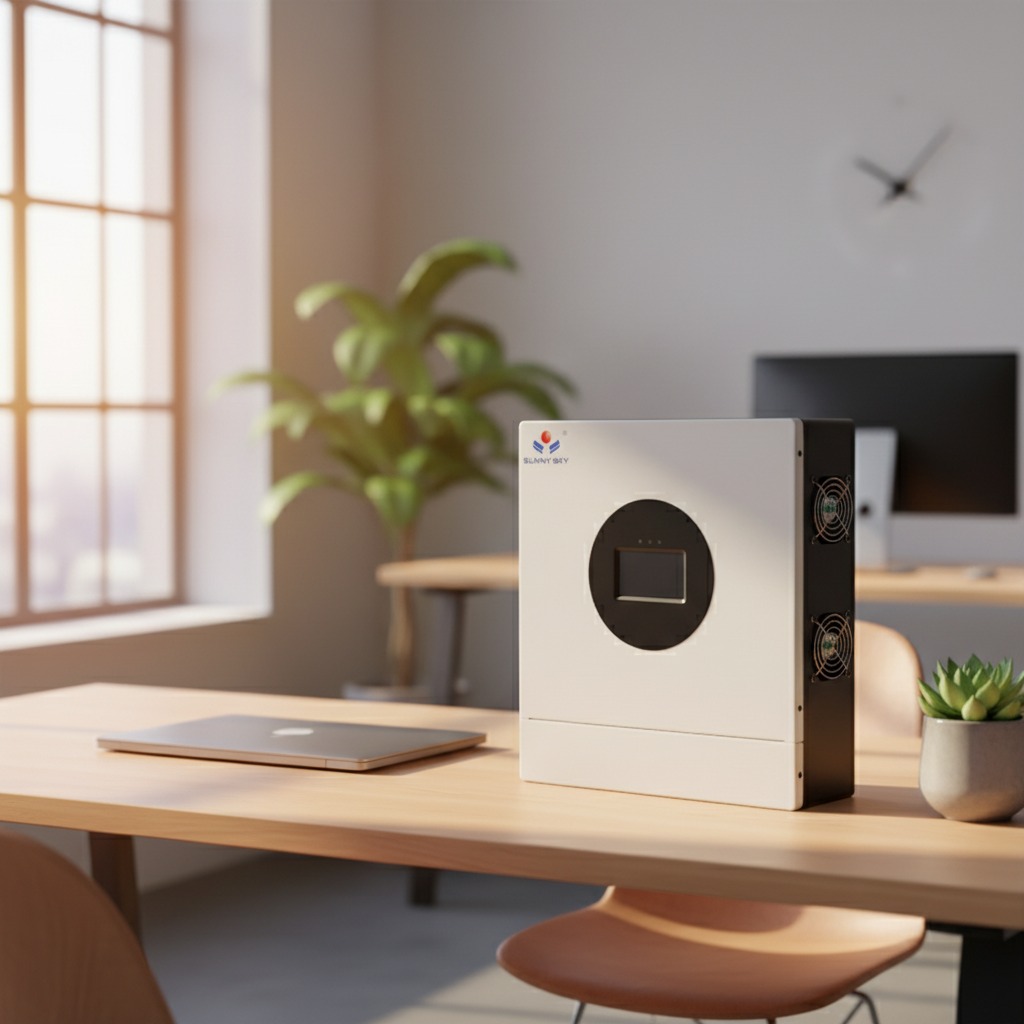
Comparing 48V Solar Inverters: Powering the Future of Renewable Energy
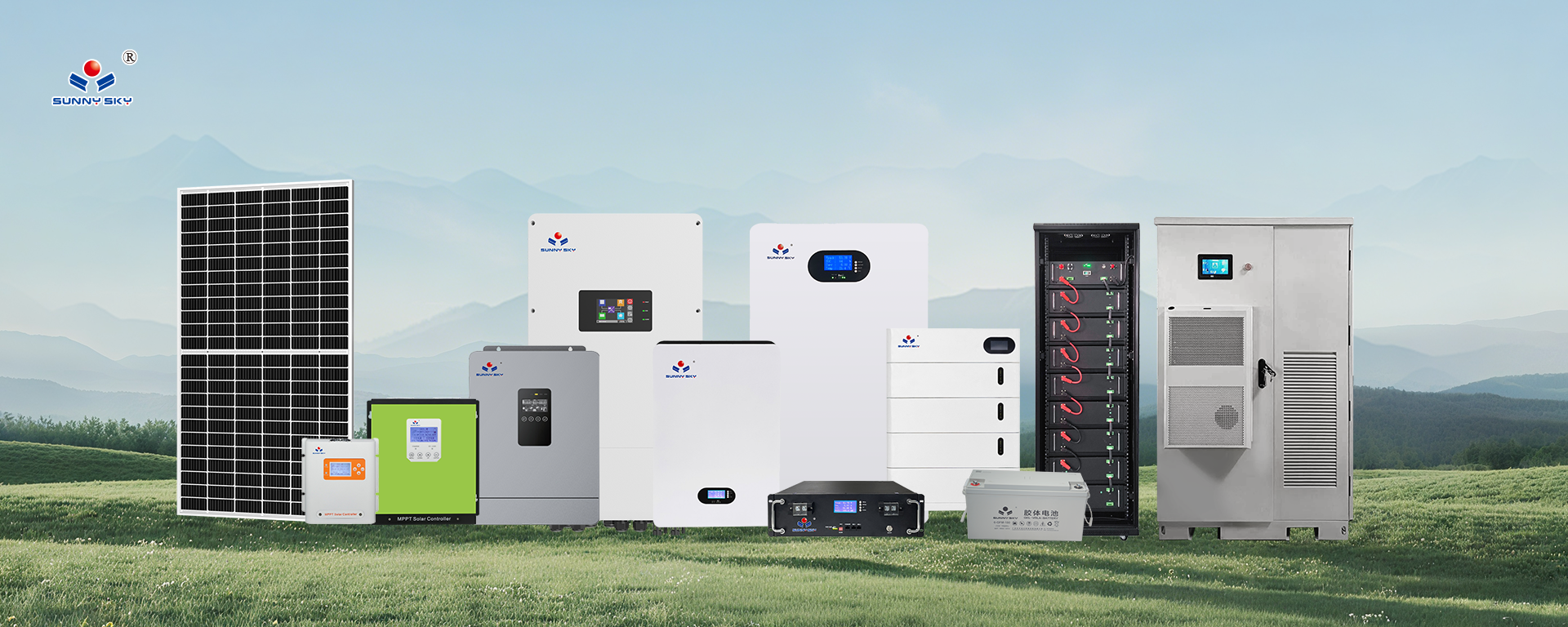
In the evolving landscape of solar energy solutions, the 48V solar inverter stands out as a pivotal component for efficient power conversion. Whether you're exploring hybrid solar systems or off-grid setups, understanding how a 48V solar inverter compares to other options like the 3.6KW hybrid inverter can guide your choice toward optimal performance. This article delves into comparisons and contrasts, highlighting key features that make these devices essential for sustainable energy systems.
48V Solar Inverter vs. Traditional Low-Voltage Inverters
A 48V solar inverter offers higher voltage operation compared to traditional 12V or 24V inverters, which directly impacts efficiency and scalability. Low-voltage inverters often suffer from higher current requirements, leading to greater energy losses through wiring and components. In contrast, the 48V solar inverter minimizes these losses, allowing for thinner cables and reduced installation costs. For instance, in solar power inverter applications, the 48V model's ability to handle larger loads without excessive heat buildup makes it superior for demanding environments. This efficiency is particularly evident in renewable energy inverter setups, where every watt counts toward maximizing output from photovoltaic panels.
Moreover, when juxtaposed with 3.6KW hybrid inverters, the 48V solar inverter provides a more robust platform for expansion. While a 3.6KW hybrid inverter excels in smaller residential setups with its compact size and moderate power handling, the 48V version supports broader applications, such as integrating multiple battery banks. This contrast becomes clear in bidirectional inverter functionality; the 48V solar inverter seamlessly switches between grid-tied and off-grid modes, offering versatility that lower-powered alternatives may lack during peak usage.
Hybrid Solar Systems: Integrating 48V Technology
Hybrid solar systems thrive on the adaptability of devices like the 48V solar inverter, which contrasts sharply with purely off-grid solar inverters in terms of grid interaction. Off-grid solar inverters prioritize isolation from utility power, ideal for remote locations but limited in energy storage optimization. Conversely, the 48V solar inverter in hybrid configurations allows bidirectional flow, charging batteries from the grid during off-peak hours while exporting excess solar energy. This dual capability enhances sustainable energy systems by reducing reliance on fossil fuels and lowering bills.
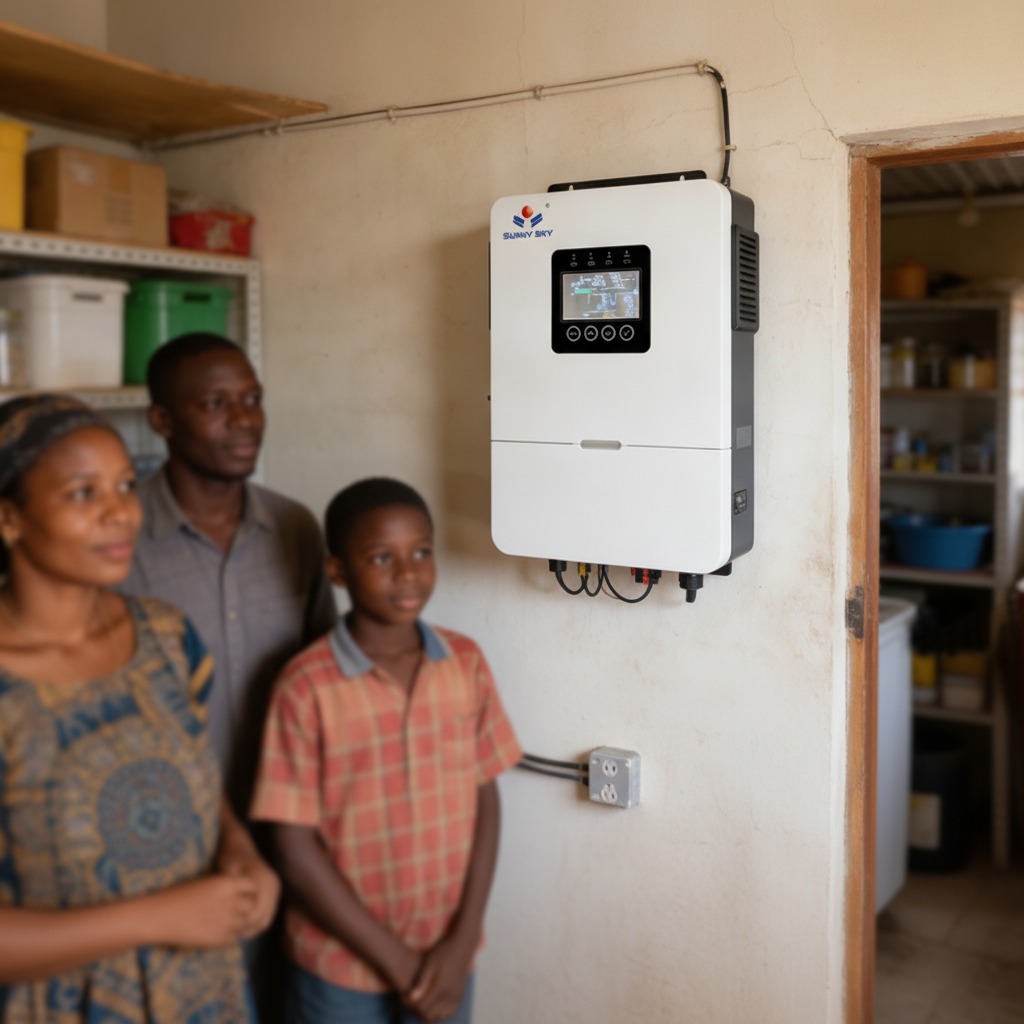
Consider solar inverter technology advancements: a 48V solar inverter incorporates MPPT (Maximum Power Point Tracking) for superior panel efficiency, outperforming older unidirectional models. In comparison to a 3.6KW hybrid inverter, which might cap at basic hybrid features, the 48V option from brands like Sunny Sky elevates the experience with real-time monitoring via a high-contrast digital display. This interface shows voltage, current, and battery status, empowering users to fine-tune operations— a level of control not always matched in simpler renewable energy inverters.
Off-Grid Solar Inverter Applications and Contrasts
For off-grid solar inverter scenarios, the 48V solar inverter shines in reliability, contrasting with grid-dependent systems that falter during outages. While on-grid inverters halt production without sunlight or grid stability, the 48V model's battery integration ensures continuous power, making it indispensable for cabins or rural homes. However, it contrasts with smaller solar energy solutions like 3.6KW units, which may overheat under prolonged loads, whereas the 48V handles 6KW demands effortlessly, as seen in Sunny Sky's innovative design.
Durability further sets the 48V solar inverter apart; advanced protections against overloads and environmental stresses outpace basic inverters, ensuring longevity in harsh conditions. In sustainable energy systems, this robustness translates to fewer maintenance needs compared to fragile low-voltage alternatives. Ultimately, choosing a 48V solar inverter means investing in a future-proof solution that balances power, efficiency, and integration across hybrid and off-grid landscapes.
By weighing these comparisons, it's evident that the 48V solar inverter leads in versatility and performance, driving the adoption of solar power inverters in modern setups.