Exploring the Power of 48V Solar Inverters: A Comparative Guide
In the evolving landscape of renewable energy, the 48V solar inverter stands out as a pivotal component for efficient power management in solar setups. This voltage level offers a balance between safety and performance, making it ideal for both residential and off-grid applications. When comparing traditional inverters to advanced models like the 3.6KW hybrid inverter, the 48V solar inverter excels in handling higher loads with reduced wiring losses. Hybrid solar systems, which integrate these inverters, provide versatility by switching between grid, solar, and battery power seamlessly. In contrast, standard inverters often lack this flexibility, leading to inefficiencies during outages. Solar energy solutions built around 48V systems ensure reliable output, especially when paired with bidirectional inverters that allow energy flow in both directions—for charging batteries or feeding back to the grid.
Hybrid vs. Off-Grid: The Versatility of 48V Solar Inverters
Delving deeper, the 48V solar inverter shines in hybrid configurations compared to purely off-grid options. A 3.6KW hybrid inverter, for instance, supports dual power sources, enabling users to maximize solar input while drawing from the grid as a backup. This contrasts with off-grid solar inverters, which rely solely on battery banks and solar panels, potentially leading to higher upfront costs for extensive storage. Renewable energy inverters like those in sustainable energy systems prioritize efficiency, with 48V models reducing conversion losses by up to 20% over lower-voltage alternatives. Bidirectional inverters further enhance this by optimizing energy distribution, unlike unidirectional ones that limit functionality. For solar power inverter applications, the 48V variant offers superior scalability, making it preferable for growing households or small businesses seeking solar inverter technology that adapts to future needs.
Technology and Efficiency: Contrasting Modern 48V Solutions
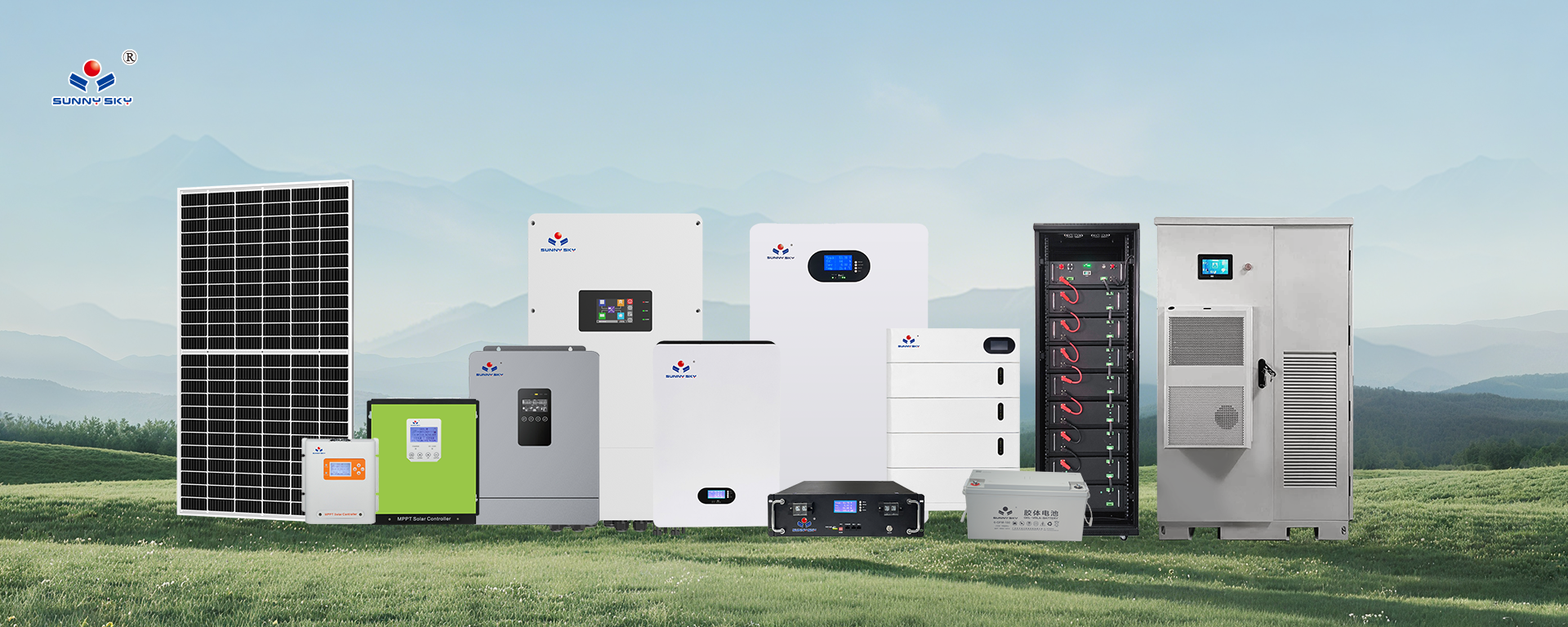
When contrasting older solar inverter technology with cutting-edge 48V solar inverters, the advancements in hybrid solar systems become evident. Traditional inverters often struggle with peak loads and have lower efficiency ratings, sometimes dipping below 90%, whereas modern 48V models achieve over 95% efficiency through MPPT charge controllers. The Sunny Sky 6KW Hybrid Solar Inverter exemplifies this evolution, blending sleek design with robust 6KW capacity for seamless integration in solar energy solutions. Its LED display and user-friendly interface outpace the clunky monitoring of legacy off-grid solar inverters, providing real-time insights into performance. Sustainable energy systems benefit immensely from such renewable energy inverters, as they support battery storage for uninterrupted power— a feature absent in non-hybrid setups. In comparison, while bidirectional inverters add smart grid compatibility, standard solar power inverters fall short in energy independence during blackouts.
Practical Applications: Residential and Commercial Comparisons
In practical terms, deploying a 48V solar inverter in residential settings contrasts favorably with commercial-scale alternatives. For homes, the compact wall-mountable design of devices like the Sunny Sky model saves space and enhances aesthetics, unlike bulky industrial inverters that require dedicated rooms. Hybrid solar systems with 3.6KW hybrid inverters cater to moderate energy needs, offering cost savings through net metering—something off-grid solar inverters can't match without additional grid-tie conversions. Solar energy solutions powered by these inverters promote sustainability by reducing reliance on fossil fuels, with bidirectional functionality enabling excess energy sales. Conversely, pure renewable energy inverters in remote areas prioritize durability over grid integration, making 48V solar inverters a middle ground for urban users. Overall, solar inverter technology in 48V systems delivers a persuasive case for eco-friendly adoption, balancing innovation and reliability for long-term energy security.
The choice between various inverter types ultimately hinges on specific needs, but the 48V solar inverter's adaptability positions it as a frontrunner in the shift toward sustainable energy systems. By leveraging hybrid capabilities and advanced features, users can achieve optimal performance without the drawbacks of outdated models.