Understanding the 30KW Off-Grid Solar Power System

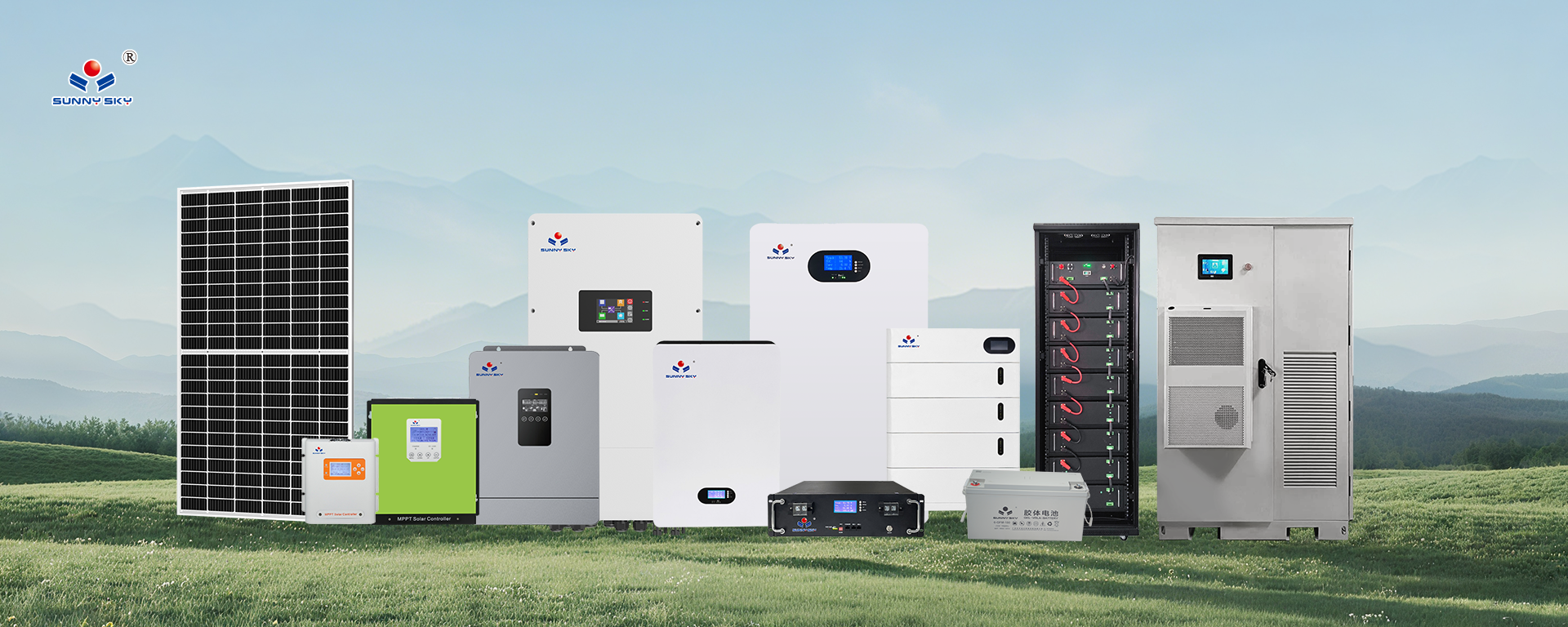
In the quest for energy independence, the 30KW off-grid solar power system stands out as a robust solution for those disconnected from the traditional grid. This system, exemplified by the SUNNYSKY Solar Energy System, harnesses high-efficiency solar panels to generate substantial power, ideal for remote locations or self-sufficient setups. Unlike grid-tied alternatives, it prioritizes complete autonomy with integrated battery storage for solar power, ensuring uninterrupted supply even at night or during cloudy weather. While hybrid solar power systems blend grid and solar inputs for flexibility, the off-grid variant offers pure isolation, making it superior for areas with unreliable electricity. The SUNNYSKY's sleek panels and modular battery stack provide a seamless blend of performance and aesthetics, contrasting with bulkier, less efficient traditional generators that rely on fossil fuels and emit pollutants.
Comparing Off-Grid vs. Hybrid Solar Power Systems
When evaluating options, the 30KW off-grid solar power system contrasts sharply with a hybrid solar power system, which can switch between solar, battery, and grid sources for backup reliability. The off-grid model demands a larger upfront investment in components like the SUNNYSKY Inverter's advanced touch-screen interface for precise energy management, but it eliminates utility bills entirely, fostering long-term savings. In contrast, hybrid systems might offer lower initial costs due to partial grid reliance, yet they expose users to fluctuating energy prices and potential outages. For sustainability, off-grid solutions like this one reduce carbon footprints more effectively, with weather-resistant cabling ensuring durability in harsh environments. Hybrid setups, while versatile, often underperform in remote off-grid scenarios where full independence is crucial, highlighting the 30KW system's edge in reliability and eco-friendliness.
Solar Power Systems for Home and Office: Tailored Applications
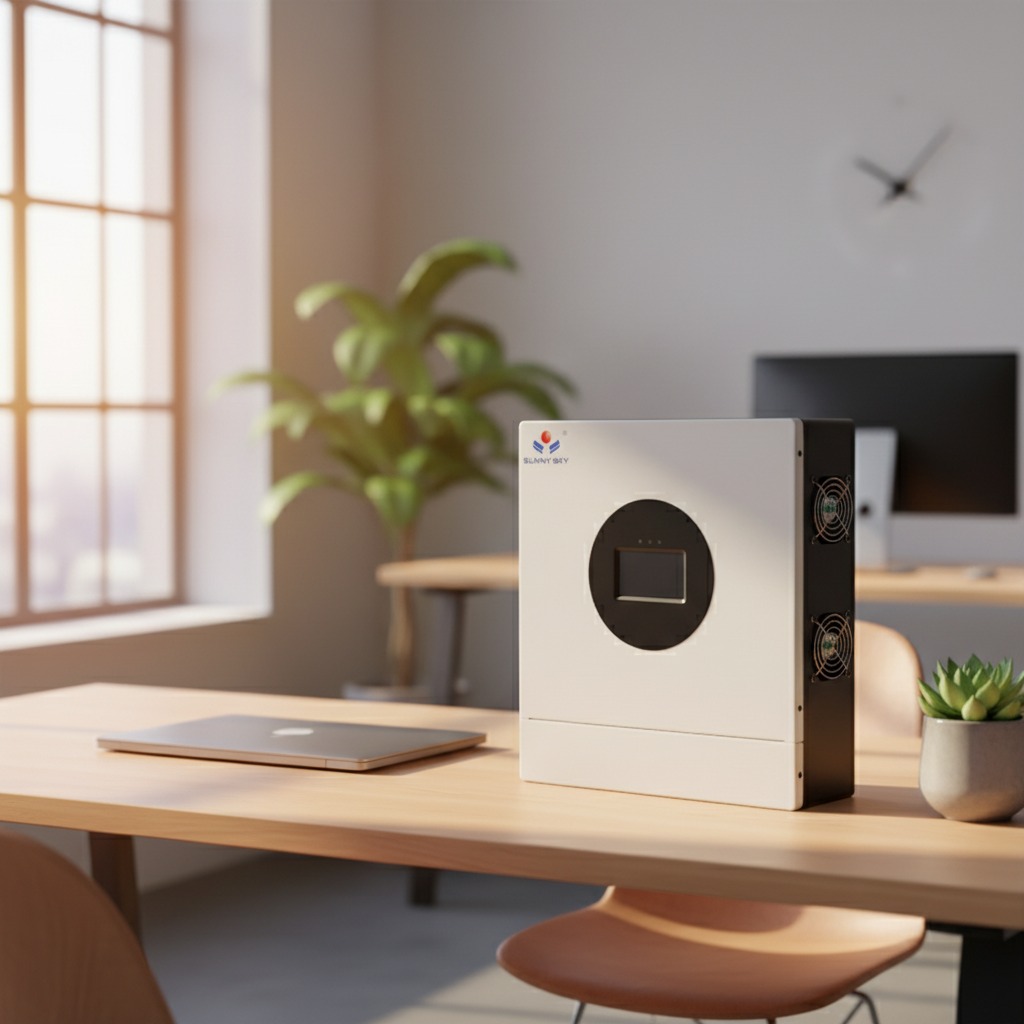
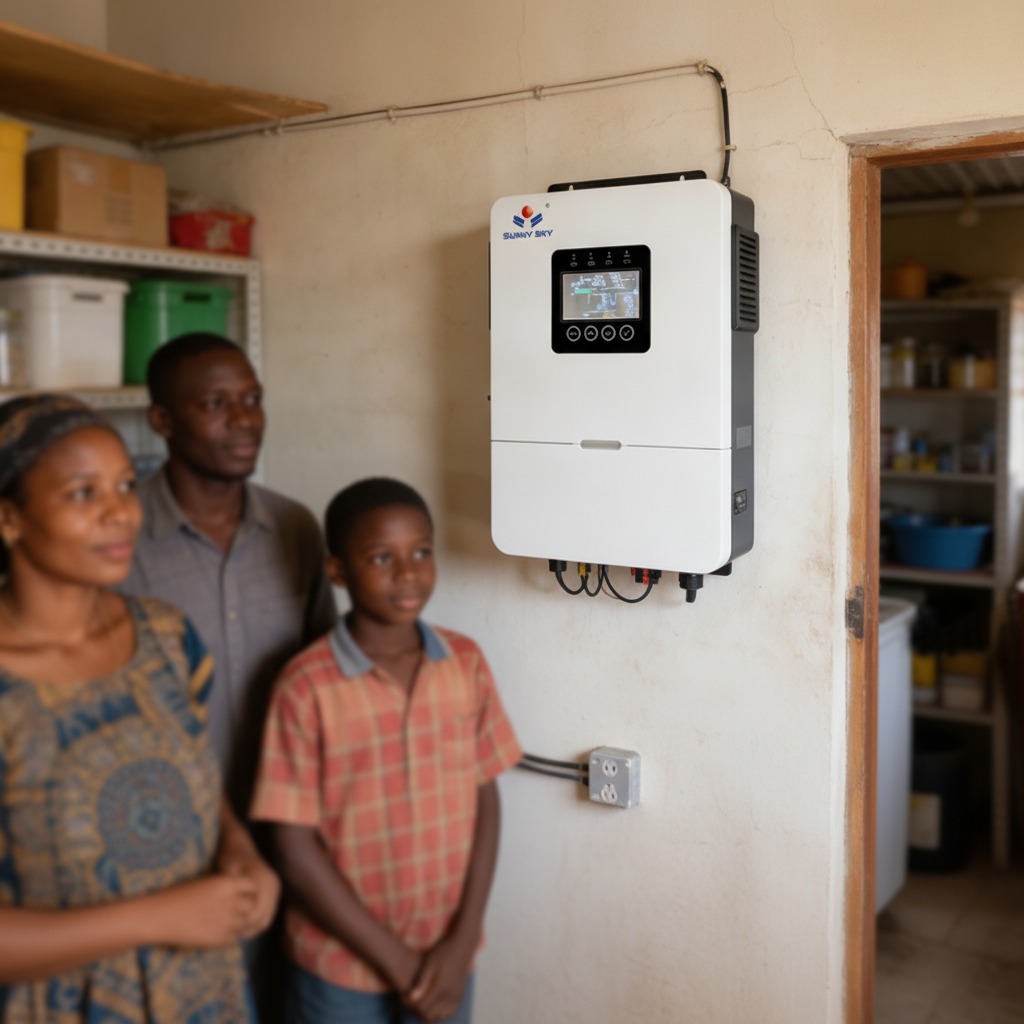
For residential users, a solar power system for home using the 30KW off-grid configuration provides tailored solar energy for residential use, powering everything from lighting to appliances without grid dependency. This contrasts with office installations, where a solar power system for office might integrate hybrid elements for peak-hour demands, but the off-grid approach excels in consistent output via battery storage for solar power. Homes benefit from the system's modularity, allowing easy expansion as family needs grow, unlike rigid office grids that tie into corporate infrastructure. Offices, on the other hand, may favor hybrids for scalability during business expansions, yet they face higher operational risks from grid failures. The SUNNYSKY's innovative design bridges these gaps, offering sustainable energy solutions that adapt to both environments while outperforming diesel backups in cost and environmental impact.
Exploring Off-Grid Solar Solutions and Renewable Energy Integration
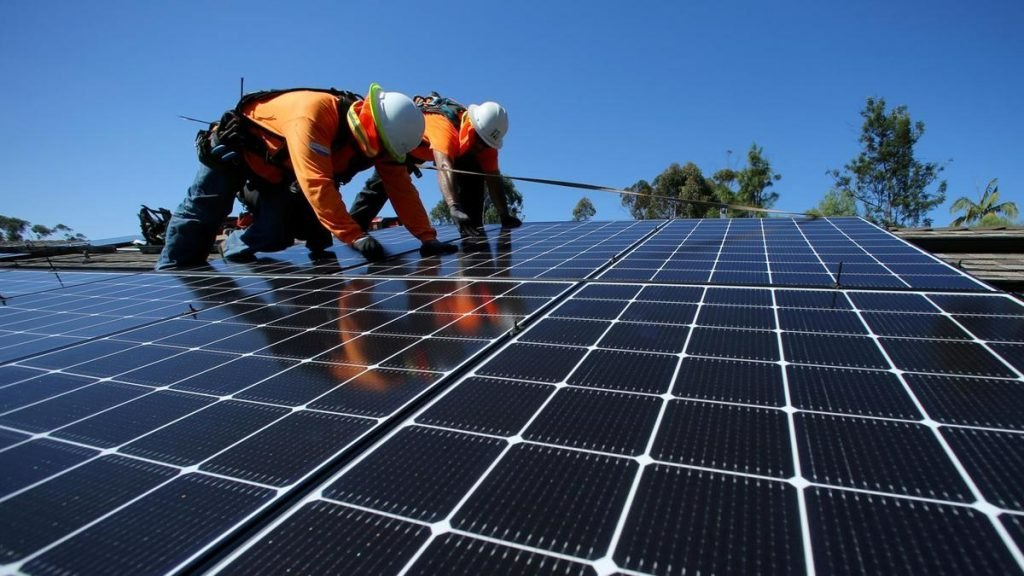
Off-grid solar solutions like the 30KW off-grid solar power system emphasize renewable energy systems through innovative solar panel installation processes that minimize disruption and maximize yield. Compared to on-grid renewables, which feed excess power back to the utility, off-grid versions store surplus in expandable battery units, preventing waste and ensuring 24/7 availability. This modularity contrasts with less flexible grid systems, where incentives like net metering dilute true independence. For businesses or homeowners eyeing sustainable energy solutions, the SUNNYSKY system's glossy inverter and LED-monitored batteries provide real-time insights, far surpassing the opacity of conventional setups. Ultimately, while hybrid options offer convenience in urban settings, the off-grid path delivers unmatched freedom, reducing reliance on non-renewable sources and promoting a greener future.
The Future of Sustainable Energy with Advanced Systems
As energy demands evolve, the 30KW off-grid solar power system positions itself as a forward-thinking choice amid rising interest in battery storage for solar power and overall sustainable energy solutions. It contrasts with emerging microgrid hybrids by prioritizing self-containment, ideal for off-grid solar solutions in rural or disaster-prone areas. The SUNNYSKY's high-efficiency panels capture sunlight optimally, even on overcast days, unlike variable-output wind alternatives that require additional infrastructure. For both home and office applications, this system not only cuts costs over time but also enhances property value through its elegant, eco-friendly design. In a world shifting toward renewables, choosing off-grid over hybrid underscores a commitment to resilience and sustainability, making the 30KW system a pivotal investment for intelligent energy management.