Foreword
In recent years, hybrid inverters have become increasingly popular in the solar energy market.
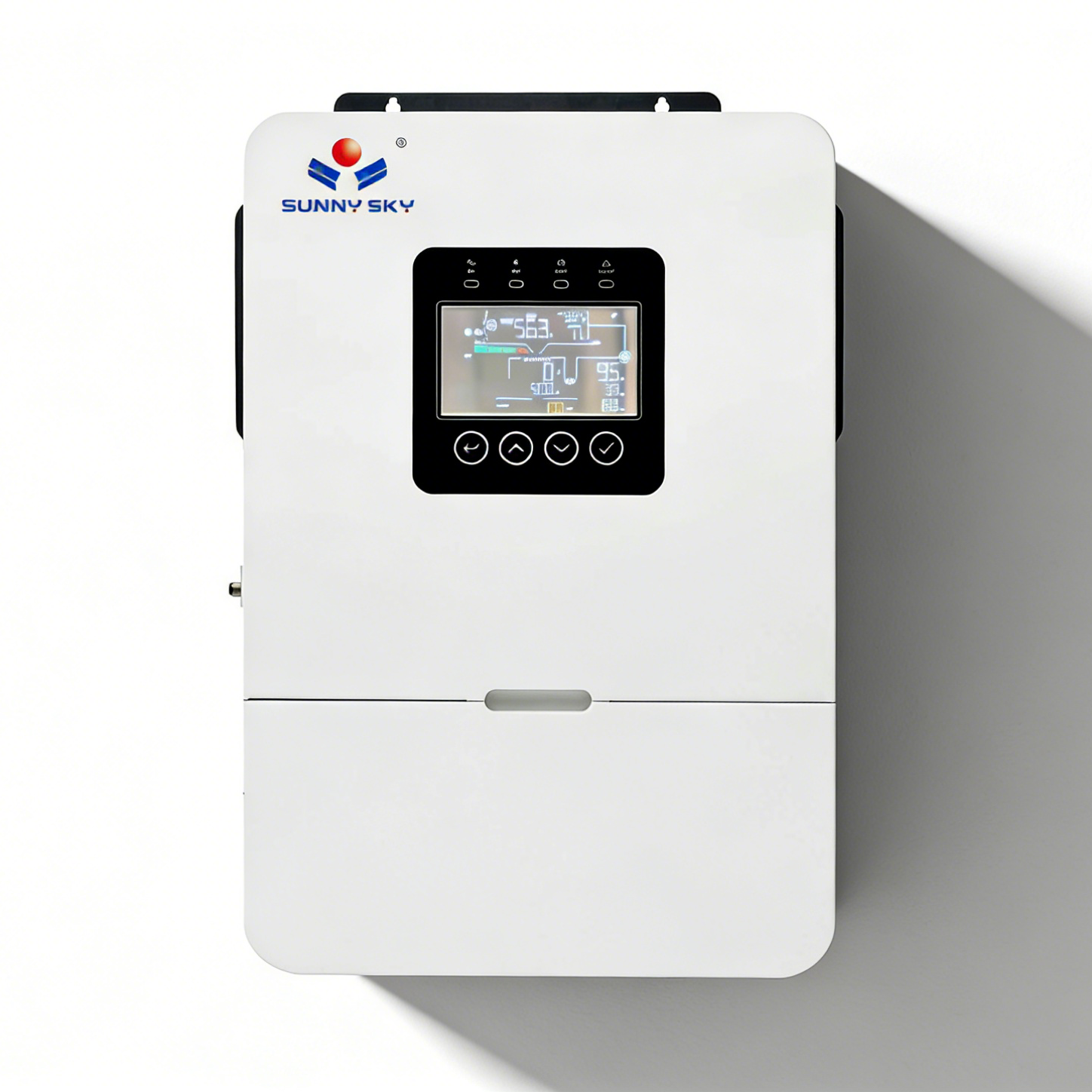
Its name sounds technical, but it's actually quite simple to understand. Simply put, a hybrid inverter is a device that integrates the functions of a grid-connected inverter and an off-grid inverter. It can sell the electricity generated by solar panels to the grid, just like a traditional grid-connected inverter; and it can also, like an off-grid inverter, supply power to the home during power outages when used with batteries.
This "two-in-one" design makes hybrid inverters a popular choice for residential and small commercial solar systems. The backup power function of hybrid inverters is particularly useful in areas with unstable power grids and occasional power outages.
This article will provide a detailed introduction to hybrid inverters. I will explain their working principle, core technical parameters, applicable scenarios, and installation and maintenance to help you fully understand this product.
I. Principles and Modes
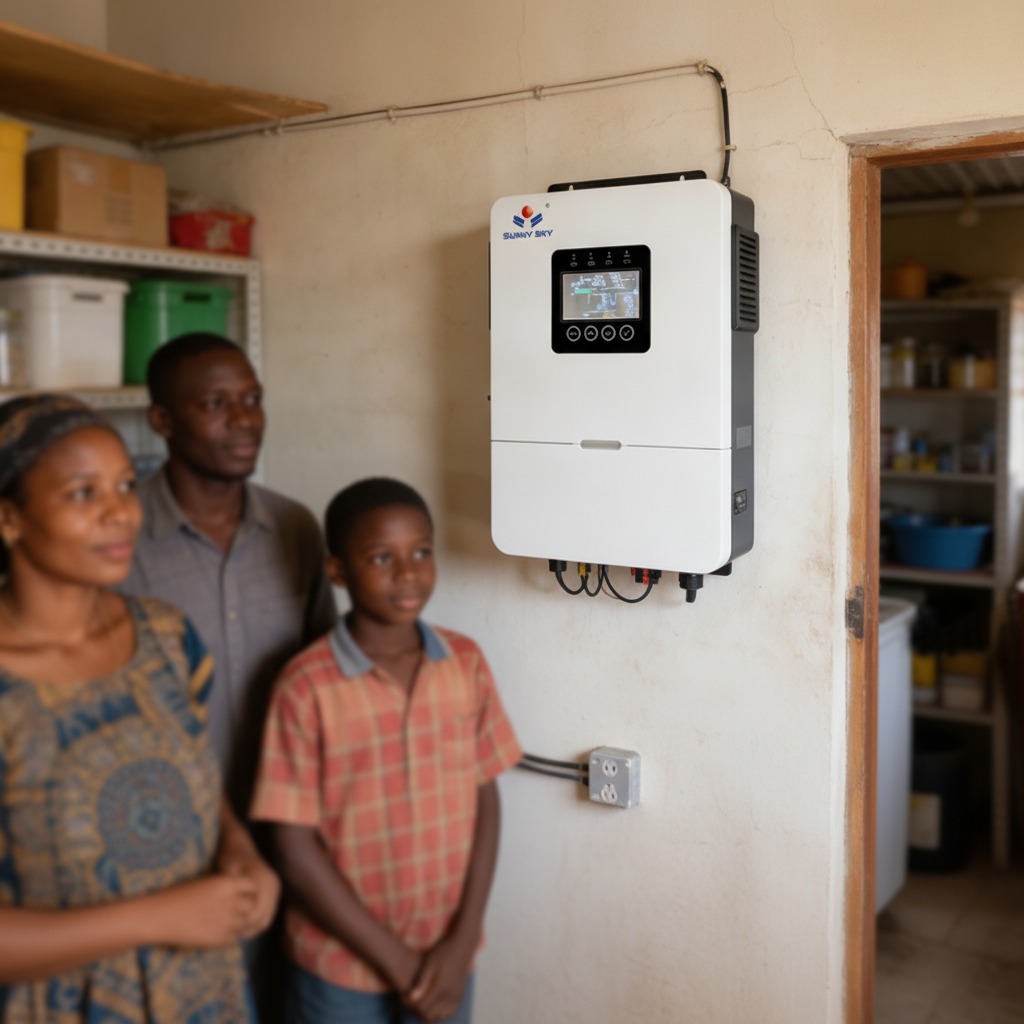
What is a Hybrid Inverter? To understand a hybrid inverter, you must first understand its internal working process.
The hybrid inverter mainly consists of three parts: a DC-DC conversion circuit, an inverter circuit (DC-AC conversion), and a battery management system (BMS). These three parts work together to achieve the three core functions of "power generation, energy storage, and power supply".
Power generation section: The solar panels generate direct current (DC), and the voltage and current vary with the intensity of sunlight. The hybrid inverter tracks the maximum power point (MPPT) through its internal MPPT controller, ensuring that the solar panels always generate electricity at peak efficiency. The efficiency of the MPPT directly affects the overall power generation capacity of the system.
Energy storage section: If the electricity generated by the solar panels is not used by the household, the excess electricity is stored in the battery. The battery management system (BMS) inside the inverter controls the charging and discharging process of the battery, protecting it from overcharging, over-discharging, short circuits, and overcurrent.
Power supply section: When household appliances need electricity, the inverter converts direct current (DC) from solar panels or batteries into alternating current to supply the appliances. Simultaneously, the inverter monitors the grid status in real time, generating electricity in grid-connected mode when the grid is normal and switching to off-grid mode when the grid experiences a power outage.
Hybrid inverters have several different operating modes. Grid-connected mode is the operating mode when the grid is functioning normally; the electricity generated by the solar panels is prioritized for household use, and any excess electricity is sold back to the grid. Off-grid mode is the operating mode when the grid experiences a power outage; the inverter automatically disconnects from the grid and switches to battery power. Hybrid mode maximizes self-consumption; the electricity generated by solar panels powers household use while simultaneously charging the battery; electricity is used from the battery at night, and when the battery is depleted, electricity is purchased from the grid. Peak-valley arbitrage mode is suitable for areas with peak and off-peak electricity pricing; by charging during off-peak hours and discharging during peak hours, the price difference can be profited from.
II. Parameters and Configuration
Core Technologies of Hybrid Inverters When purchasing a hybrid inverter, the following core parameters need to be considered.
Rated output power: The maximum continuous output power of the inverter, commonly available in specifications such as 3kW, 5kW, 6kW, 8kW, 10kW, and 12kW.
MPPT Channels: MPPT is an abbreviation for Maximum Power Point Tracking. The more MPPTs an inverter has, the more precise its tracking of the solar panel's power generation status. Mainstream hybrid inverters have at least two MPPTs, while high-end models have three or more.
Maximum input voltage: The highest voltage that a solar panel can receive. Common values are 500V, 600V, and 1000V. The higher the maximum input voltage, the more solar panels can be connected in series, and the more flexible the configuration.
Maximum input current: The maximum current that each MPPT circuit can accept. The higher the current, the more powerful the board it can be compatible with. Currently, the mainstream is around 13A to 18A.
Conversion efficiency: The efficiency with which an inverter converts direct current (DC) to alternating current (AC). Mainstream brands achieve between 97% and 98.5%. Higher efficiency results in less annual power generation loss.
Battery compatibility: Battery protocols from different brands may be incompatible. When purchasing, ensure the inverter and battery are compatible. Currently, lithium iron phosphate batteries are the mainstream choice, offering long cycle life and good safety.
In terms of power selection, small apartments (two bedrooms and below) should choose 3-5kW, medium apartments (three bedrooms) should choose 5-8kW, and large apartments (villas, four bedrooms and above) should choose 8-12kW or higher. For most ordinary families, 6kW is a common choice, covering the electricity needs of a three-bedroom family.
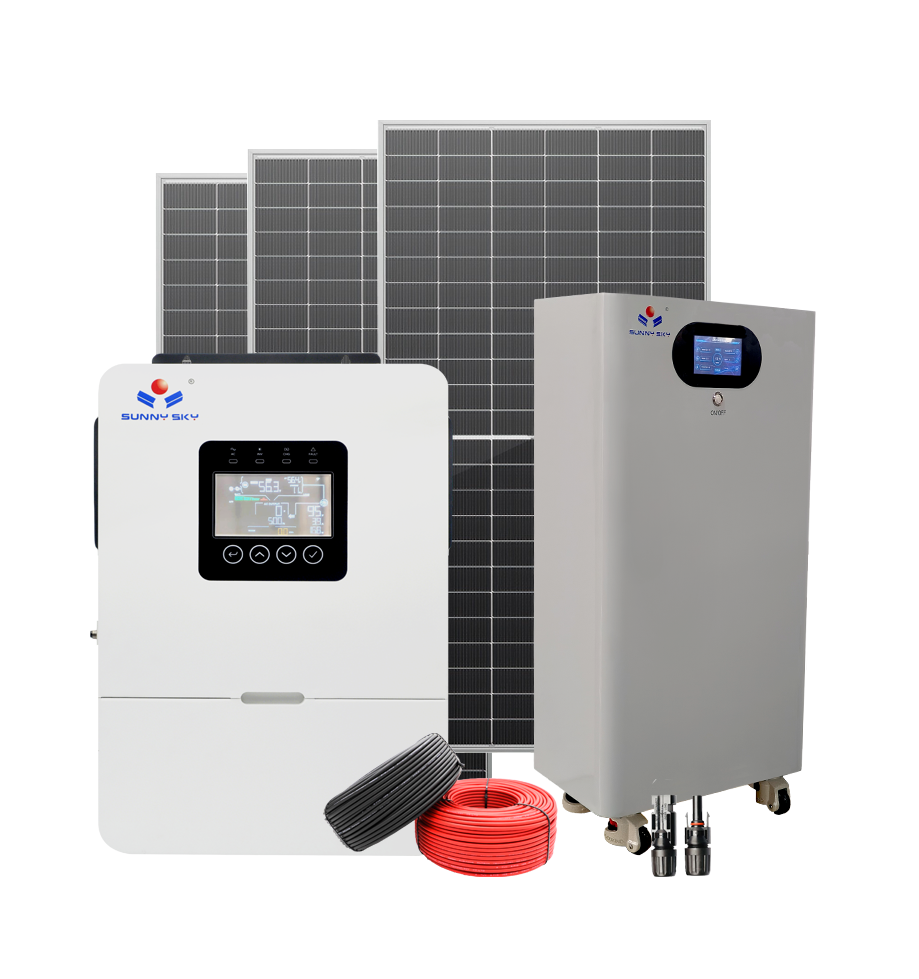
Regarding battery configuration, a common solution is a 6kW inverter paired with a 10 kWh battery, which can meet the needs of most households. The principle for configuration is that the battery capacity should not be too small (unable to support basic nighttime electricity use) nor too large (increasing costs).
III. Scenarios and Brands
Applications of Hybrid Inverters Hybrid inverters are suitable for a variety of scenarios.
For typical urban households in areas with stable power grids, the primary goal is to save on electricity bills. Hybrid inverters maximize self-consumption, selling excess electricity back to the grid. Batteries can provide several hours of emergency power during power outages.
Areas with unstable power grids: Suburbs, rural areas, small towns, and other areas prone to occasional power outages. The backup power function of hybrid inverters can ensure basic household electricity supply during power outages, making them particularly suitable for households with elderly people, children, or patients who require a stable power supply.
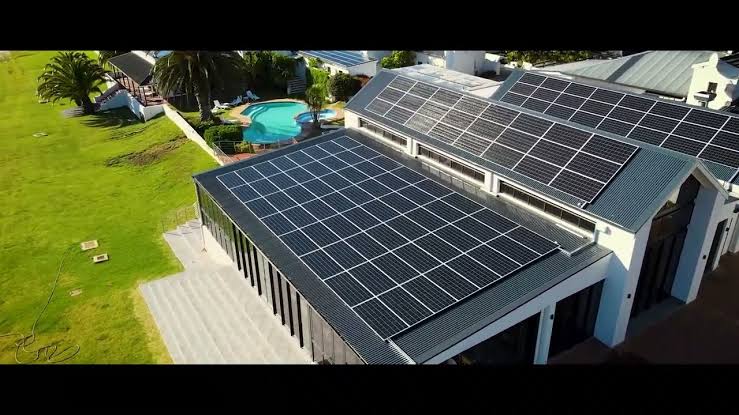
Villas and self-built houses: These properties have large roof areas, high electricity demand, and a desire for energy independence. Hybrid inverters, combined with large-capacity batteries, can achieve a high degree of electricity self-sufficiency.
Small shops and restaurants are concerned about power outages affecting their business. Hybrid inverters can ensure that critical equipment such as point-of-sale systems and refrigerators continue to operate during power outages.
In terms of brands, international brands include Huawei, Sungrow Power, Growatt, GoodWe, and Ginlong. Among domestic brands, mainstream brands have caught up with or even surpassed some international brands, and their global market share continues to increase.
Price reference: 3-5kW hybrid inverter 2000-5000 yuan; 6-8kW hybrid inverter 3000-8000 yuan; 10-12kW hybrid inverter 5000-15000 yuan; complete system including battery 10000-50000 yuan (depending on battery capacity).
IV. Installation and Maintenance:
Precautions for Use Installation is a crucial step that affects the performance and safety of hybrid inverters.
Location requirements: well-ventilated, dry and cool; avoid direct sunlight and rain; keep away from flammable and explosive materials; keep away from children's play areas.
Heat dissipation requirements: Inverters generate heat during operation and require adequate ventilation space. Leave at least 20-30 cm of space around the inverter to allow for airflow.
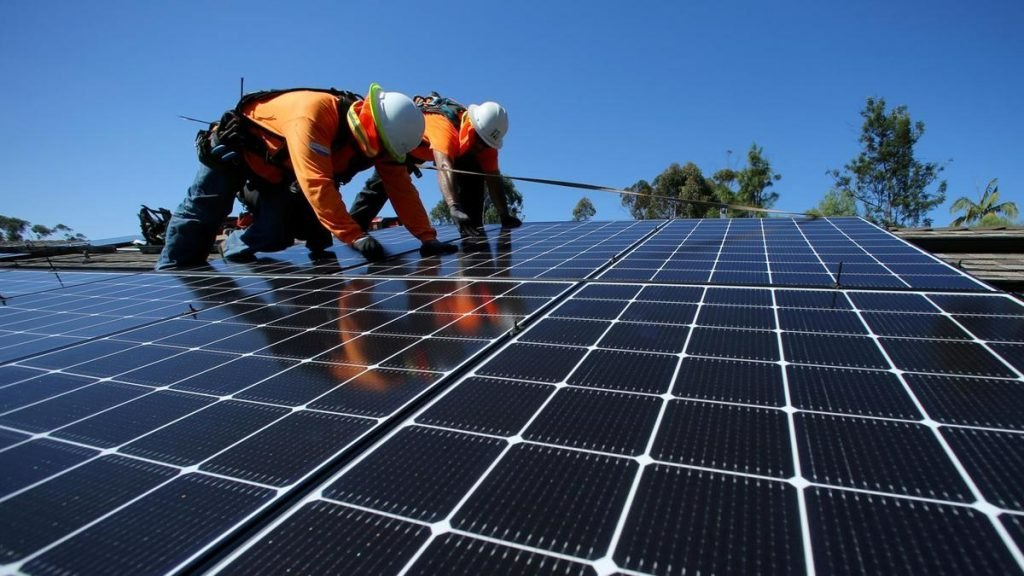
Wiring specifications: When wiring the DC side, ensure that the positive and negative terminals are not reversed; when wiring the AC side, ensure that the phase wire, neutral wire, and ground wire are connected correctly; it is best to have the installation done by a certified electrician; ensure that it complies with local electrical codes.
Grounding protection: The inverter must be reliably grounded to prevent safety accidents caused by leakage. The grounding resistance must meet the requirements of the local power authority.
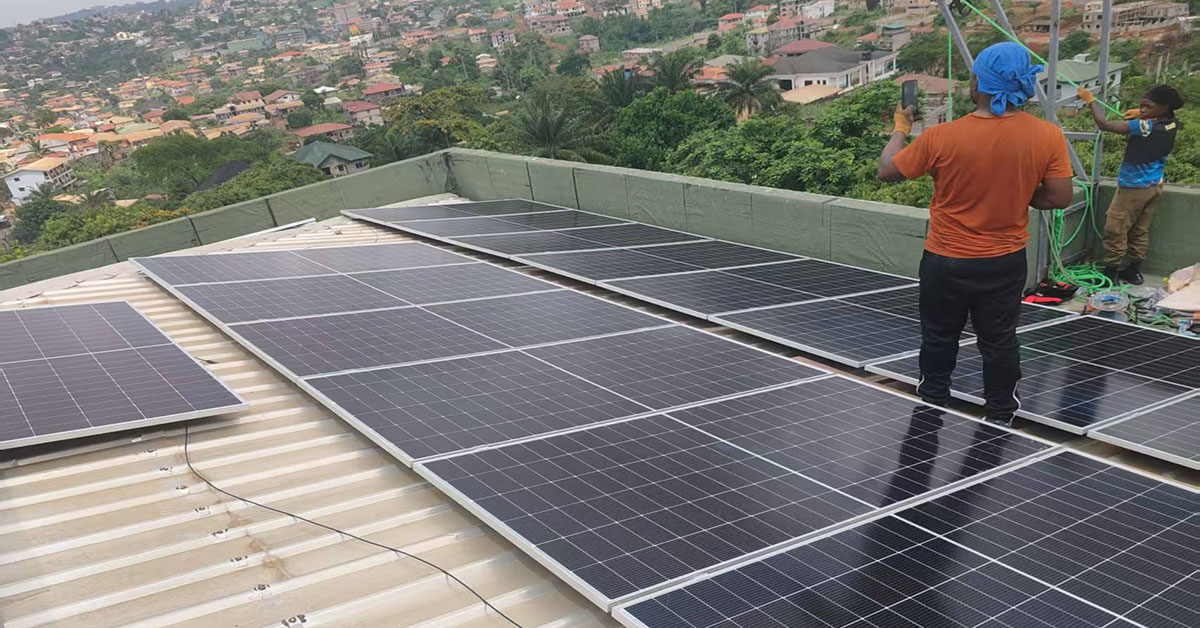
Grid connection application: Residential distributed photovoltaic systems need to apply for grid connection with the local power supply bureau, and can only generate electricity after approval. Installers usually assist with the relevant procedures.
For routine maintenance, mobile app monitoring is the most important method. It allows real-time viewing of data such as power generation, power consumption, battery level, and operating status. The app will also push alarm information in case of abnormalities. For regular inspections, check the inverter's operating status every few months, including its appearance, wiring, cooling fan, and noise levels. For cleaning and maintenance, keep the area around the inverter clean to prevent dust and debris buildup. For firmware upgrades, pay attention to official brand announcements and upgrade promptly to optimize performance and add features.
Hybrid inverter technology continues to advance, with several noteworthy trends: higher conversion efficiency, with new inverters approaching 99%; larger single-unit power, with 50kW and even 100kW hybrid inverters beginning to emerge; more integrated functions, including EMS energy management, electric vehicle charging, and smart home integration; more affordable prices, which continue to decrease as the technology matures and economies of scale occur; and higher levels of intelligence, with AI and IoT technologies enabling inverters to automatically optimize their operating strategies based on electricity prices, weather, and electricity consumption habits.
In conclusion
hybrid inverters, as a core component of solar energy systems, are being increasingly accepted by residential and small commercial users. Compared to traditional grid-connected inverters, they offer additional battery management and backup power capabilities; compared to purely off-grid inverters, they can generate electricity on-grid, saving on electricity bills. This "two-in-one" design allows them to demonstrate their value in various scenarios.
When selecting a hybrid inverter, pay close attention to several key parameters: rated power, number of MPPTs, conversion efficiency, battery compatibility, communication functions, and warranty. These parameters directly affect power generation efficiency, user experience, and long-term reliability.
Power selection depends on household electricity needs and solar panel configuration. 6kW is the choice for most households, while 8-12kW is suitable for medium to large homes or households with special needs. Regarding battery configuration, around 10 kWh is the most common option.
Home photovoltaic systems are long-term investments. As a core component, the hybrid inverter, when selected as the right model and properly installed and maintained, can ensure stable operation of the system for more than 20 years, bringing long-term economic and energy benefits to the family.
Please contact Simon immediately to discuss your project:
• WeChat: TY530643572
• Telephone: +86 137 1166 0041