Foreword
Bangladesh is probably not the first country that comes to mind for most people when they think of solar energy.
However, if you follow the global solar market, you'll find that Bangladesh is one of the most important solar markets in South Asia. This country of 170 million people has seen faster-than-expected development in the solar energy sector in recent years. From residential rooftop photovoltaics to large-scale ground-mounted power plants, from off-grid systems to grid-connected projects, solar energy applications in Bangladesh are expanding rapidly.
What opportunities does the Bangladeshi market offer for solar product suppliers and buyers? What are the characteristics of this market? What issues should be considered? This article will provide a detailed analysis.
I. Current Energy Situation in Bangladesh: Why Solar Energy is Needed
To understand the potential of Bangladesh's solar energy market, one must first understand the country's current energy situation.
Bangladesh is one of the most densely populated countries in the world, with 170 million people living on a land area of only 147,000 square kilometers. A large population, limited land, and scarce resources are the fundamental characteristics of this country. In terms of energy, Bangladesh faces several prominent problems.
First, there is a shortage of electricity supply. Although Bangladesh's electricity coverage has improved in recent years, the power gap remains significant. The country's installed power capacity is approximately 26,000 megawatts, while actual demand often exceeds this figure. Power rationing during peak hours is common, especially in summer and in industrial areas. "Several hours of power outages every day" remains a part of daily life in many parts of Bangladesh.
Secondly, the energy structure is irrational. Bangladesh has long relied on natural gas and diesel for power generation. Natural gas is Bangladesh's main source of electricity, but domestic natural gas production has been declining, leading to an increasing dependence on imports. Diesel power generation is expensive and causes severe air pollution. This irrational energy structure not only drives up electricity prices but also creates environmental pressure.
Secondly, the power grid infrastructure is weak. Bangladesh's power grid is old, with severely outdated equipment and significant transmission and distribution losses. Power grid coverage is particularly low in rural areas, with many remote areas still lacking electricity. Even in urban areas, the stability and reliability of the power grid are unsatisfactory.
It is against this backdrop that solar energy has become an important option for Bangladesh's energy transition. Located on the South Asian subcontinent, Bangladesh boasts abundant sunshine resources, with an average of 2,000 to 2,800 hours of sunshine per year. While not as plentiful as Africa and the Middle East, its sunshine conditions are still quite good compared to Europe and North Asia.
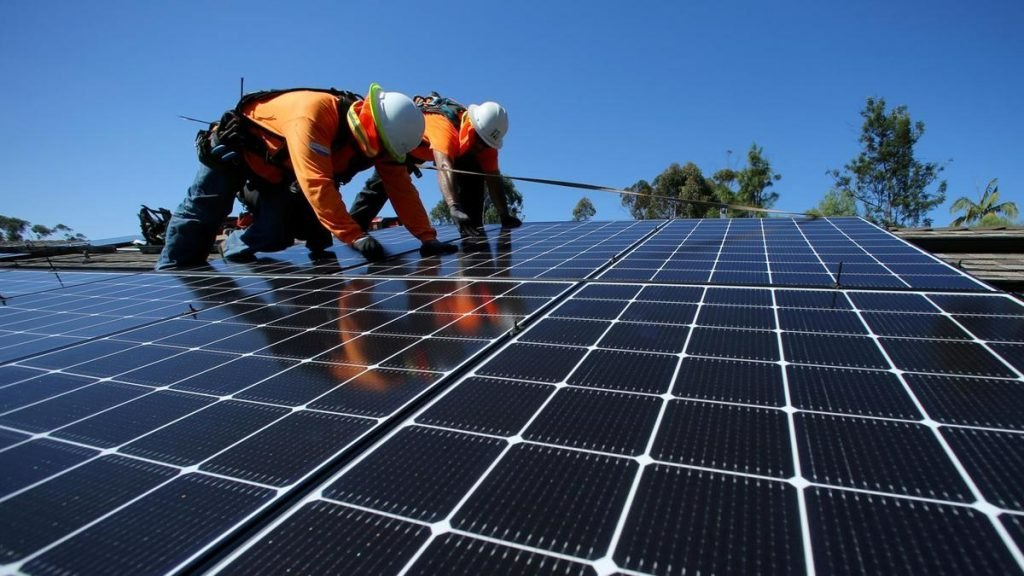
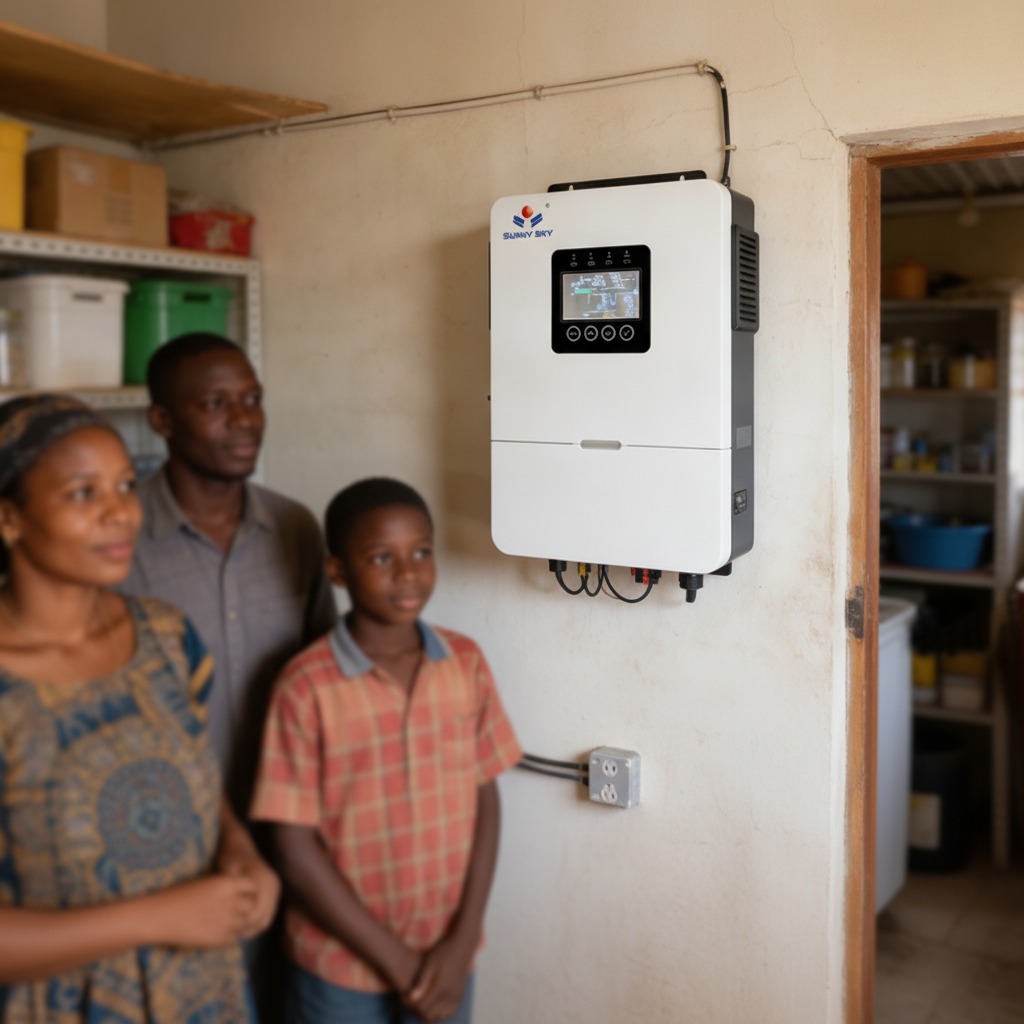
More importantly, the distributed nature of solar energy perfectly aligns with Bangladesh's actual needs. Rooftop solar power allows households without grid coverage to access electricity; small off-grid systems provide a reliable power source for clinics, schools, and farmers in remote areas; and commercial and industrial rooftop photovoltaics help businesses reduce electricity costs and cope with power rationing. This flexibility is something that centralized power grids cannot provide.
II. Current Status of the Bangladesh Solar Energy Market
The development of the Bangladesh solar energy market can be divided into several stages.
The early stages primarily focused on promoting off-grid solar systems. The Bangladeshi government recognized the importance of solar energy for areas without electricity early on. Starting in the 2000s, Bangladesh promoted off-grid solar systems through various projects, particularly in rural areas. This multi-party collaborative model—with government subsidies, corporate participation in construction, financial institutions providing credit, and NGOs handling promotion—made Bangladesh one of the world's pioneers in off-grid solar energy applications.
By the mid-2010s, commercial and industrial rooftop solar power began to take off. As the price of solar modules continued to decline, more and more Bangladeshi companies began considering installing rooftop solar systems. High electricity costs, unstable power grids, and frequent power curtailment—these factors made solar systems highly attractive to commercial and industrial customers. The garment manufacturing, textile, and cold chain logistics industries were among the first to begin large-scale installations of rooftop solar systems.
In recent years, the number of large-scale ground-mounted power plant projects has also been increasing. The Bangladeshi government has incorporated renewable energy development into its national energy strategy, aiming to achieve a 40% share of renewable energy in electricity generation by 2030. While achieving this goal will be challenging, policy support has indeed facilitated the implementation of large-scale photovoltaic projects.
In terms of market size, Bangladesh is currently one of the fastest-growing solar energy markets in South Asia. Cumulative installed capacity continues to climb, and the proportion of solar energy in new installations is constantly increasing. Market forecasts predict that the Bangladeshi solar energy market will maintain double-digit growth rates in the coming years.
In terms of application type, the Bangladeshi solar energy market is currently dominated by commercial and industrial rooftop projects, followed by off-grid systems and small residential systems, with large ground-mounted power stations accounting for a relatively small proportion. This structure reflects the actual market demand—for electricity customers, rooftop solar power is the most direct way to solve their electricity problems.
III. Opportunities in the Bangladesh Market: Why It's Worth Paying Attention To
The Bangladesh solar energy market presents significant opportunities for both suppliers and buyers.
First, demand is growing rapidly. Bangladesh's economy is experiencing sustained growth, with accelerated industrialization and urbanization leading to a continuous increase in electricity demand. Traditional energy supply cannot keep up with this growth, resulting in a persistent gap. Solar energy, as a supplementary and alternative energy source, is in high demand. For suppliers, this translates to numerous order opportunities and longer cooperation periods.
Secondly, there is strong policy support. The Bangladeshi government has made the development of renewable energy a key national policy and has introduced a series of supportive policies, including: feed-in tariffs for renewable energy, net metering (allowing users to sell surplus electricity to the grid), and tariff reductions on imported equipment. These policies lower the investment threshold for solar energy projects and increase the return on investment.
Thirdly, electricity prices are relatively high. Industrial and commercial electricity prices in Bangladesh are among the highest in South Asia. For large electricity consumers, electricity costs are one of the main operating costs. Installing a solar system can significantly reduce electricity expenses, with a payback period typically between 4 and 7 years, making it very attractive.
Fourth, Bangladesh boasts a significant demographic dividend. With a large young workforce and relatively low labor costs, the installation and maintenance costs of solar power systems can be kept relatively low. This provides a cost advantage for project developers and system integrators.
Fifth, its geographical location is advantageous. Bangladesh is adjacent to the two major economies of India and China, facilitating equipment import and logistics. Importing solar energy equipment from China to Bangladesh is convenient via both sea and land transportation, and logistics costs are controllable.
For Chinese solar product suppliers, the positioning in the Bangladeshi market is clear: mid-to-high-end products can focus on brand building, benchmarking against European, American, Japanese, and Korean brands; cost-effective products can focus on volume, using price advantages to gain market share. The key is to accurately identify the target customer group and provide products and solutions that meet the needs of the local market.

IV. Challenges in the Bangladesh Market: Issues Requiring Attention
Beyond the opportunities, the Bangladeshi market also presents some challenges that suppliers and buyers need to be aware of.
Firstly, there is the risk of payment. Bangladesh has limited foreign exchange reserves and strict foreign exchange controls. Buyers may face problems such as lengthy foreign exchange approval processes and limited remittance amounts when making payments. Especially for large orders, if buyers cannot obtain foreign exchange payment in a timely manner, it may lead to delayed payments. For suppliers, when accepting orders from Bangladeshi customers, it is essential to fully assess the payment risks and choose the safest payment methods possible.
Secondly, there is credit risk. The credit awareness and contractual spirit of some Bangladeshi buyers need improvement. It's not uncommon for them to temporarily lower prices, delay payments, or deduct payments for various reasons after the contract is signed. Suppliers should conduct thorough credit checks on buyers before cooperating, and should not easily trust verbal promises; all important terms must be put into a written contract.
Thirdly, there are certification requirements. Bangladesh has certification requirements for imported solar energy products. Imported equipment must comply with the relevant standards of the Bangladesh Standards Institute (BSTI), and some projects also require international certifications such as IEC standards. Suppliers need to understand the specific certification requirements in advance and prepare certification certificates and test reports. If product certifications are incomplete, the product may be detained or fined during customs clearance.
Fourth, price competition is fierce. The Bangladeshi market attracts suppliers from many countries, including China, India, and South Korea, leading to intense competition. Price wars are commonplace, and suppliers need to find a balance between price and profit. Unrelenting price wars can result in compromised product quality and inadequate service, ultimately harming the interests of both parties.
Fifthly, there are infrastructure limitations. Bangladesh's logistics infrastructure is relatively weak, customs clearance efficiency is low, and cargo transportation may be delayed. Port congestion and limited warehouse capacity are common problems in Bangladesh. Suppliers and buyers need to be prepared and plan their logistics and timelines in advance.
Sixth is cultural and communication differences. Bangladeshi business culture has its own characteristics. Negotiation cycles can be lengthy, and decision-making chains can be complex. Suppliers need to be patient, understand local business practices, and cultivate a long-term cooperative mindset.
V. Product Demand Characteristics: What Does the Bangladeshi Market Prefer?
Having understood the overall market situation, let's take a look at the specific needs of the Bangladeshi market for solar energy products.
In terms of power output, the Bangladeshi market demand is mainly concentrated in the small to medium power range. Residential systems are primarily 1kW to 5kW, while industrial and commercial systems are mainly 10kW to 100kW. Large power plant projects exist, but their numbers are relatively small. This is because Bangladesh's overall electricity consumption is dominated by small and medium-sized users, with large industrial projects accounting for a limited proportion.
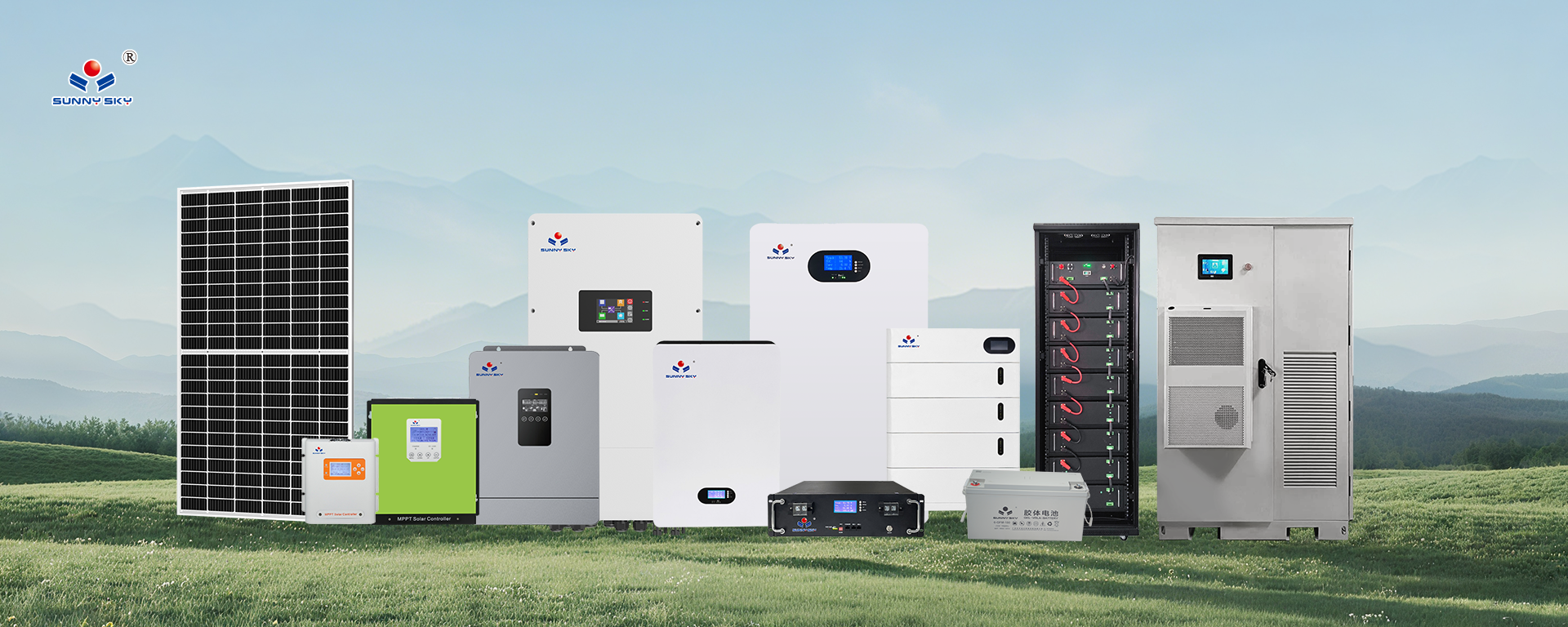
In terms of product type, there is strong demand for hybrid inverters and off-grid inverters. The Bangladeshi power grid is unstable, and grid-connected systems alone cannot meet backup power requirements. Hybrid systems and off-grid systems with energy storage capabilities are more popular. These products are relatively more expensive, but market demand is stable.
In terms of brand preference, Bangladeshi customers have a certain level of brand awareness. Both internationally renowned brands and well-known Chinese brands have established customer bases. However, the Bangladeshi market also sees a large number of price-sensitive customers who prioritize value for money and are less concerned with brand prestige.
In terms of certification requirements, CE certification is a basic requirement, while some items require IEC standards. Products with Bangladeshi local certification or international certification are more likely to gain customer trust. Products without certification or with incomplete certification, even if priced low, will find it difficult to enter the mainstream market.
In terms of service needs, Bangladeshi customers generally value pre-sales support and after-sales service. Suppliers who can provide technical solutions, installation guidance, and after-sales support are more popular. Suppliers who simply sell products have limited competitiveness in the Bangladeshi market.
VI. Recommendations for Developing the Bangladeshi Market
Here are some suggestions for solar energy suppliers looking to enter the Bangladeshi market.
First, choose the right clients. Not all Bangladeshi buyers are worth cooperating with. Select buyers who are financially sound, reputable, and have a long-term commitment to cooperation. You can research a buyer's background through credit investigation agencies or by checking their reputation through industry connections. Large clients aren't necessarily good, and small clients aren't necessarily bad; the key is a good match.
Second, prepare for localization. Product materials should ideally be available in English, and if possible, in Bengali. Quotations and contracts should preferably be settled in US dollars or British pounds to avoid exchange rate risks. Product specifications must meet local Bangladeshi standards and requirements.
Third, build trust. Bangladeshi business culture values interpersonal relationships. Don't expect to close large orders with just one or two emails; be prepared for a long-term investment. Attending industry trade shows in Bangladesh, regularly visiting clients, and responding promptly to their needs are all necessary steps in building trust in the Bangladeshi market.
Fourth, provide value-added services. Besides selling products, the ability to provide value-added services such as technical solutions support, installation training, and after-sales service is a crucial aspect of differentiating a supplier's competitiveness. In a competitive environment with transparent pricing, service capabilities are often more important than price.
Fifth, control risks. Choose secure payment methods such as T/T and L/C whenever possible. For new clients whose credit history is unclear, start with small orders to test the waters; avoid granting large credit lines immediately. Contract terms must be clear and unambiguous, especially core clauses such as payment terms, delivery dates, quality standards, and liability for breach of contract.
Conclusion
The Bangladesh solar energy market is a market full of opportunities but also challenges.
Opportunities lie in: rapid demand growth, policy support, relatively high electricity prices, demographic dividend, and geographical advantages. Challenges lie in: payment risk, credit risk, certification requirements, price competition, infrastructure, and communication differences.
For prepared, patient, and risk-aware suppliers, the Bangladeshi market offers opportunities for intensive cultivation and long-term returns. However, for suppliers seeking quick profits and unwilling to invest time in building relationships, the Bangladeshi market may be disappointing.
The South Asian sun is illuminating more and more rooftops and ground surfaces. It is hoped that more Chinese solar energy companies will find their place in the Bangladeshi market, realizing both commercial value and contributing to the energy transition of this South Asian nation.
Please contact Simon immediately to discuss your project:
• WeChat: TY530643572
• Telephone: +86 137 1166 0041