Why IP ratings matter before you choose a solar inverter
An IP21 inverter is often the kind of product that gets overlooked until a project runs into heat, dust, condensation, or an awkward installation location. For engineers and sourcing teams, the enclosure rating is not a footnote. It affects where the inverter can be mounted, how much maintenance it may need, and whether the unit is suited to an indoor utility room or needs a more protected setting.
That is why buyers comparing an indoor solar inverter with a more rugged outdoor solar inverter should treat protection level as a design decision, not just a catalog specification. If the equipment will live inside a clean electrical room, IP21 may be entirely sensible. If it is likely to face dust, moisture, or installation uncertainty, the conversation changes fast.
This article is meant to help you decide when an IP21 enclosure is enough, when you should look at an IP65 inverter, and how to judge the trade-offs without getting lost in marketing language.
What IP21 actually tells you
IP ratings describe protection against solids and water ingress. In simple terms, IP21 means the enclosure offers limited protection against fingers or larger objects and some vertical dripping water resistance, but it is not built as a sealed unit. It is a basic solar inverter protection level, not a weatherproof promise.
That matters because an inverter is not a passive box. It is a working power-conversion device with electronics, heat, and sometimes communication ports, fans, breakers, and cable entries. The more exposed the enclosure, the more important the installation environment becomes.
IP21 vs IP65: the practical difference buyers care about
The phrase IP21 vs IP65 sounds technical, but the buying decision is usually straightforward. IP21 supports protected indoor installation. IP65 is built for much tougher exposure, with much stronger resistance to dust and water jets. That does not automatically make IP65 the better choice for every project, though. It can add cost, size, and sometimes thermal complexity.
In practice, an IP21 enclosure fits projects where the inverter will be mounted in a dry, ventilated indoor space: a plant room, service corridor, equipment cabinet, or technical basement. An IP65 unit is more appropriate where installation conditions are less controlled, such as an exterior wall, a dusty utility area, or a site with occasional spray, rain exposure, or aggressive airborne particles.
If your team is evaluating a dustproof inverter or a weatherproof solar inverter, do not stop at the IP label. Ask how cable entries are sealed, how heat is managed, and whether the mounting site is genuinely suitable for the protection class claimed.
Where an IP21 inverter makes sense
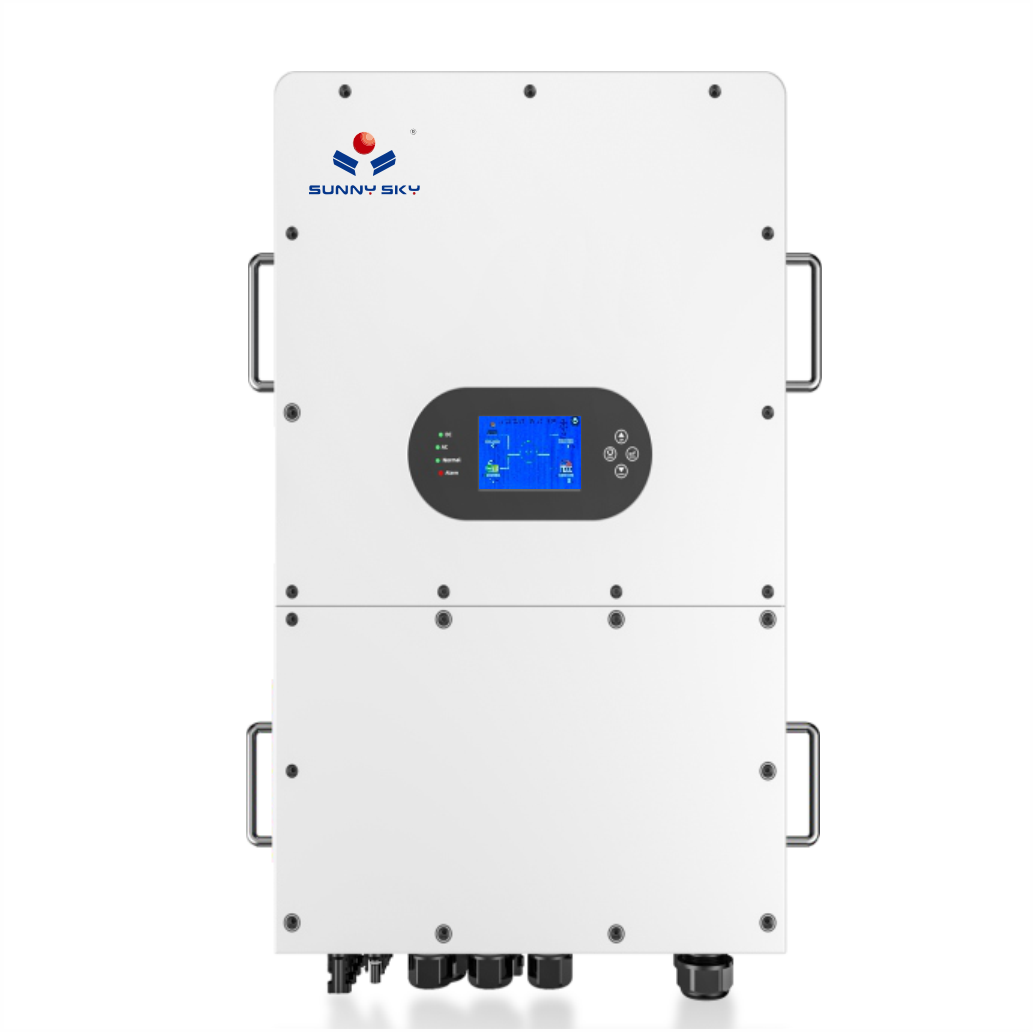
An IP21 inverter is a reasonable choice for many residential and small commercial solar power system inverter applications, especially those built around a controlled indoor layout. The visible product details provided here point to a hybrid solar inverter family that monitors power flow between PV input, battery, utility grid, and household load. That is exactly the kind of equipment often installed indoors, where the front LCD or HMI display can be read easily and the wiring can be handled cleanly.
The product family described includes useful interface features such as PV input, battery input, AC input, AC output, RS-485, USB ports, WiFi module support, parallel connection capability, and a dry contact terminal. Those are the sorts of functions that matter when a buyer is planning a battery-backed backup system or a self-consumption setup. They also mean the inverter is not just converting power; it is coordinating a small energy network.
For that reason, indoor placement is often the better match. You get easier access for setup, clearer visibility of the LCD status screen, and lower environmental stress on the electronics. That is a practical advantage, not just a convenience.
When you should move up to a higher protection level
There are projects where IP21 is simply too modest. If the inverter must be mounted outdoors, in a semi-open shed, or near sources of dust and wind-driven moisture, buyers should look harder at an IP65 inverter or another higher-rated enclosure. Solar equipment often gets installed where the electrical room was not planned properly, and that is where problems begin.
A common mistake is assuming a wall-mounted cabinet automatically means safe installation. The cabinet may look sturdy, but if the unit has ventilation paths, multiple cable entry points, and exposed service interfaces, it still needs the right environment. In other words, a weatherproof solar inverter is not just about the front cover; it is about the whole enclosure system and how it is mounted.
Selection criteria that matter more than the brochure
For sourcing managers, the smartest shortlist usually starts with environment, not brand slogans. Ask where the inverter will live, how much dust it will face, whether condensation is possible, and who will service it later. Then consider the operational functions.
The hybrid inverter descriptions supplied here show a user interface with date and time display, power-flow arrows, status icons for solar, battery, grid, and load, and real-time kW readings. Those are useful because they help operators understand whether the system is charging, discharging, bypassing, or supplying loads from PV. A good display can save hours of troubleshooting.
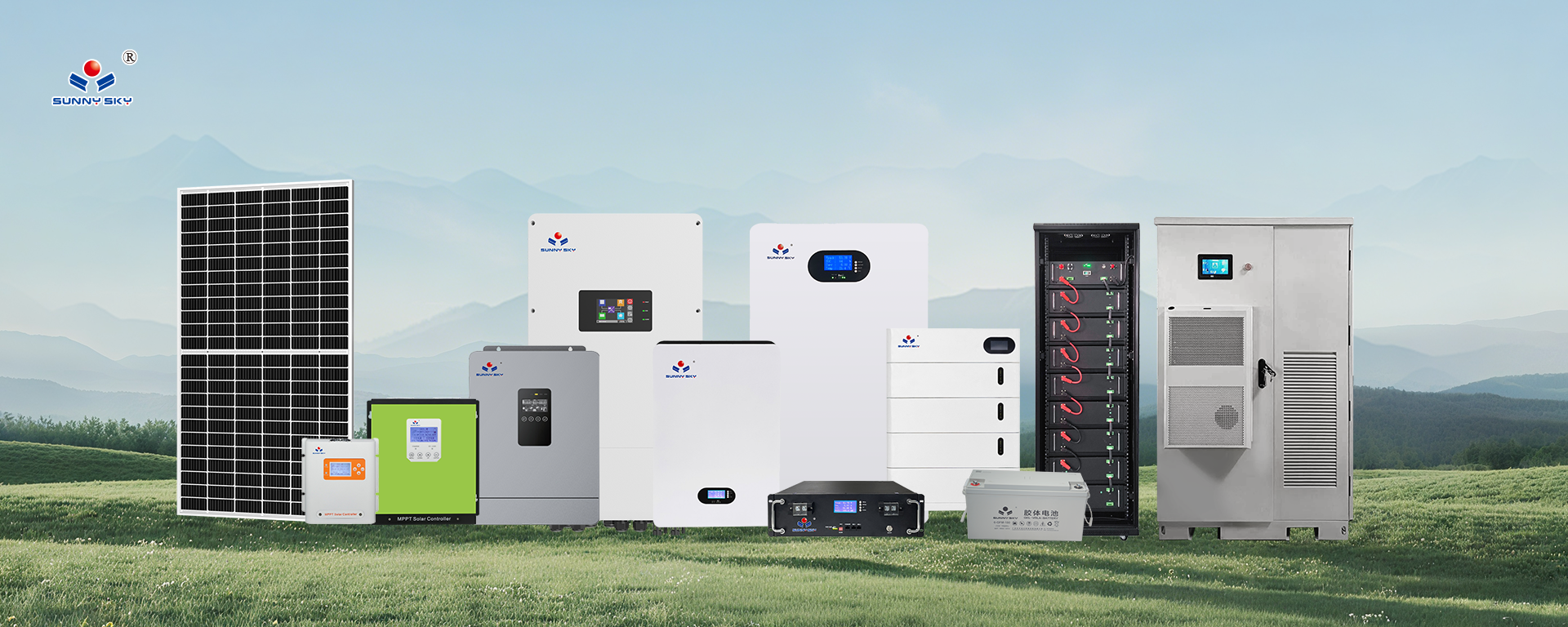
It is also worth noting the product range from Guangzhou Tianyuan Solar Equipment CO.,LTD and the SUNNYSKY brand positioning. The company states that it has independent R&D and patented technologies, operates across more than 50 countries, and focuses on reliable, innovative green energy. That does not replace technical verification, of course, but it does suggest the vendor is positioning itself around system stability and product design rather than commodity hardware alone.
Common buyer mistakes with inverter protection levels
The first mistake is overbuying protection when the inverter will be installed in a clean, climate-controlled room. That can increase cost without solving any real risk.
The second is underestimating the site. I have seen teams specify a basic enclosure, then discover the inverter is being mounted where washing, humidity, or airborne grit is part of daily life. That is not a minor oversight; it shortens service life and complicates warranty discussions.
The third mistake is confusing display features with environmental protection. A polished LCD interface, such as the power-flow screen described in the product data, is helpful for monitoring. It does not tell you anything about sealing performance.
FAQ: quick answers buyers usually need
Is IP21 enough for solar systems?
Yes, if the inverter is installed indoors or in another protected location with low exposure to dust and water. It is not the right choice for exposed outdoor mounting.
Is IP65 always better?
Not always. Higher protection is valuable in harsh environments, but it can come with trade-offs in cost and thermal design. Match the rating to the site.
Should I choose an indoor solar inverter or outdoor solar inverter?
Choose based on the actual installation conditions, not the wish list. If the location is controlled, an indoor unit may be the better value. If not, step up the protection level.
What to ask suppliers before you buy
Before placing an order, ask for the IP rating, installation guidance, cable entry details, thermal management approach, and the intended mounting environment. For hybrid models, also confirm the monitoring functions, battery coordination logic, and communication options like RS-485 or WiFi.
If the vendor provides a front LCD or HMI showing solar, battery, grid, and load flow, that is a useful operational feature. But it should sit beside the enclosure rating in your checklist, not replace it.
A practical next step
If your project is indoors and controlled, an IP21 inverter can be a smart, cost-aware choice. If the site is uncertain, dusty, or exposed, move up the protection level before you lock the spec. That one decision often matters more than another round of minor feature comparisons.
For teams evaluating hybrid solar inverter platforms, ask suppliers for a clear installation envelope, not just a product photo. The right enclosure rating is what keeps the system running after the sales sample has already looked impressive.