Foreword
In recent years, with the advancement of global carbon neutrality goals and the rapid iteration of photovoltaic technology, the solar energy industry is undergoing a profound product revolution. From the initial single solar panel to the later inverter + battery separate system, and now to the highly integrated solar all-in-one system—home energy solutions are evolving towards simplicity, intelligence, and aesthetics. So, what exactly is a solar all-in-one system? How does it differ from traditional separate systems? Is it necessary for ordinary households to choose an all-in-one system? This article will answer these questions one by one.
I. What is a solar integrated machine?
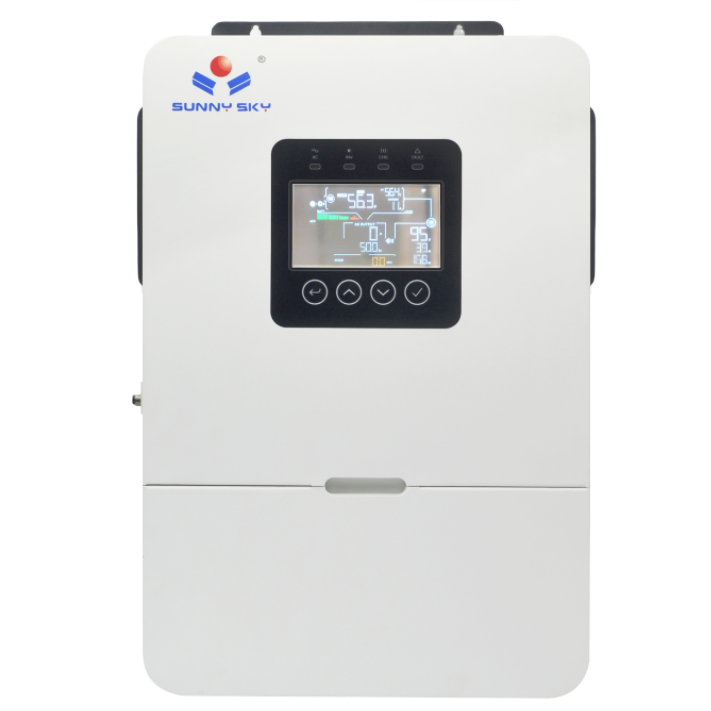
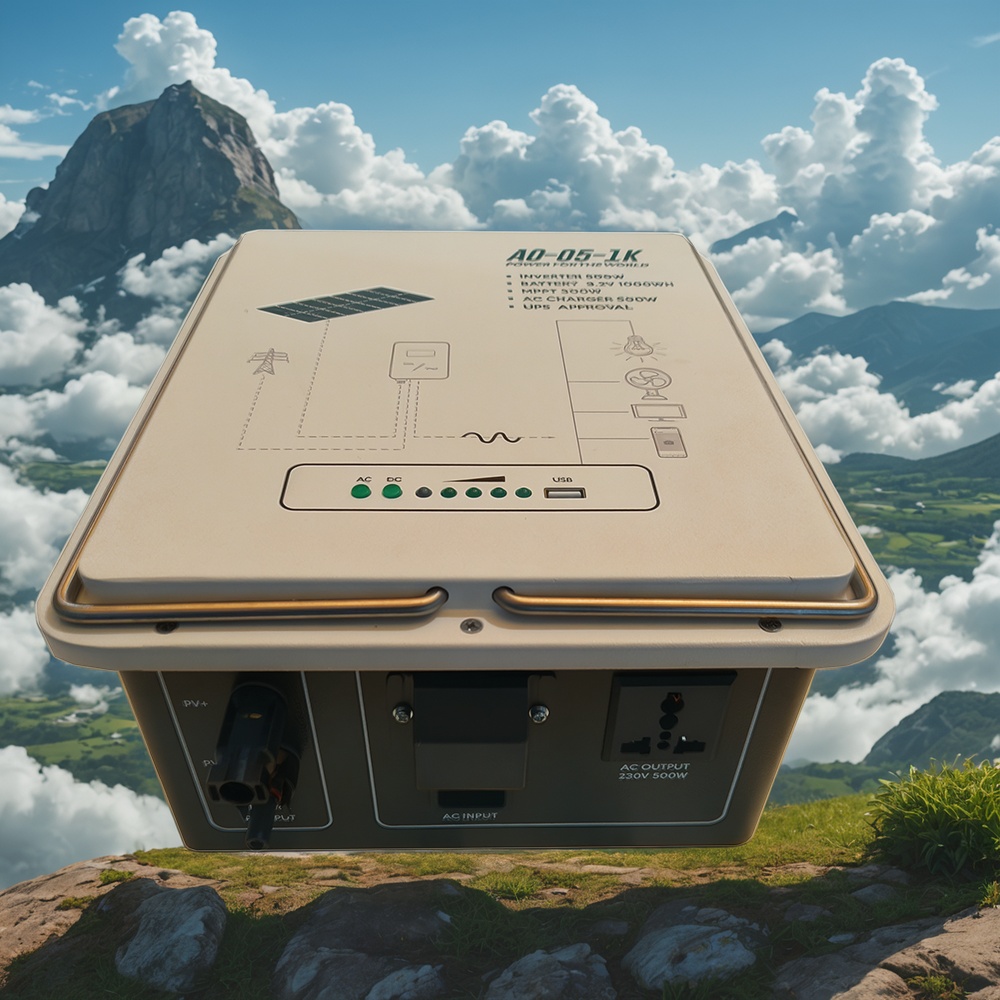
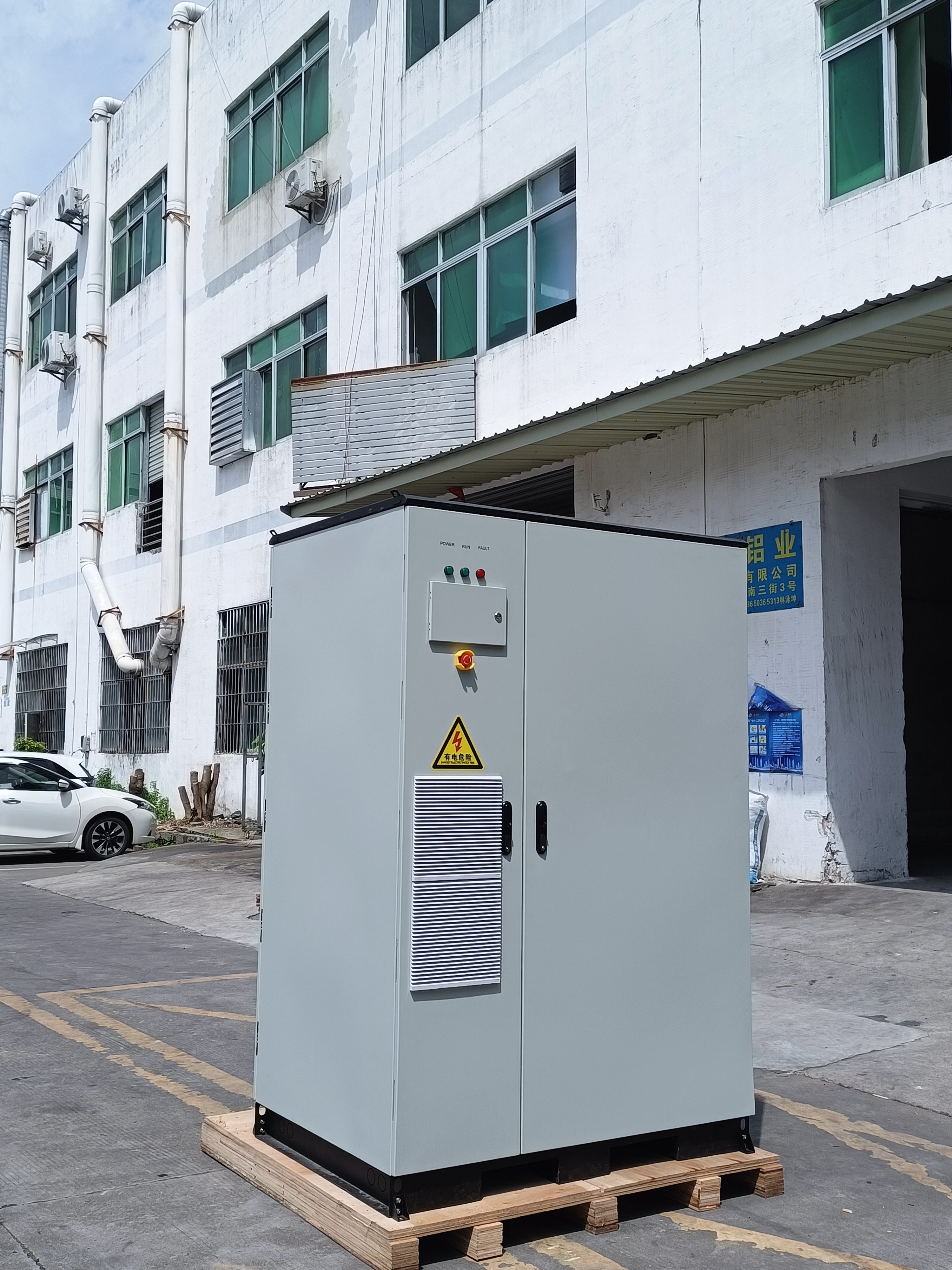
A solar integrated machine, literally meaning a solar power system, integrates the core components of a solar power generation system—solar panels, energy storage batteries, hybrid inverters, charging controllers, and intelligent management systems—into a compact body, forming a complete and modular home energy management terminal.
To use a vivid analogy: if a traditional solar system is like a desktop computer that needs to be assembled by the user and comes from various brands, then an all-in-one solar system is like Apple's iMac—all the hardware has been optimized and integrated at the factory, and users only need to connect the solar panels and the power grid to start using it.
The core operating logic of integrated solar power systems is consistent with traditional energy storage systems, but with higher integration and more intelligent management. During the day, sunlight shines on the solar panels to generate direct current (DC). This electricity is optimized and managed by the integrated system's internal MPPT controller, prioritizing its supply to household loads. If the generated electricity exceeds immediate demand, the excess is automatically stored in the lithium iron phosphate battery pack. When sunlight is insufficient, such as after sunset or on cloudy days, the integrated system automatically switches to battery power mode. When the battery is depleted and solar power generation is insufficient, the integrated system automatically draws power from the grid. High-end integrated systems also feature a built-in intelligent energy management system (EMS), which automatically optimizes charging and discharging strategies based on user electricity usage habits, local electricity pricing policies, and weather forecast data to maximize cost savings.
II. What are the core advantages of integrated solar power systems?
Compared to traditional split-type solar power systems, integrated solar panels have the following significant advantages:
One-stop purchasing saves time and effort. Traditional solar systems require the separate purchase of multiple components such as solar panels, inverters, batteries, brackets, cables, and monitoring equipment, involving price comparisons, communication, and logistics coordination among multiple suppliers. In contrast, integrated solar systems only require dealing with one manufacturer, significantly reducing the time and communication costs of procurement.
Installation is extremely simple and deployment is quick. Taking mainstream brands as an example, the installation of an all-in-one machine only requires four steps: fixing the main unit, connecting the solar panel, connecting to the power grid, and configuring the APP. The entire process can be completed within two hours. In contrast, traditional systems often require a professional installation team to spend two or three days.
With a clean and aesthetically pleasing appearance, all-in-one systems typically feature a freestanding or wall-mounted design with a well-crafted casing that blends seamlessly into modern home environments. In contrast, split-system designs, with their multiple devices scattered and exposed cables, significantly detract from the overall aesthetics.
Intelligent management, clear at a glance. All-in-one machine manufacturers typically develop dedicated mobile apps or web management platforms, allowing users to view key data such as power generation, power consumption, battery status, and savings at any time. Some high-end products also support AI energy-saving suggestions, fault warnings, and remote firmware upgrades.
Unified after-sales service, no passing the buck. When the system malfunctions, users only need to contact the integrated unit manufacturer to obtain complete technical support. In contrast, when a split system encounters a problem, users often have to go back and forth between solar panel manufacturers, inverter manufacturers, and battery manufacturers, which is time-consuming and laborious.
III. How to choose a suitable integrated solar power system?
With a wide variety of all-in-one PC brands and models on the market, choosing the right product requires attention to the following key parameters:
Power rating. The output power of an all-in-one appliance determines how many appliances it can power simultaneously. Common household power ratings range from 3kW to 10kW. 3kW is suitable for small apartments, supporting basic loads such as lighting, televisions, and refrigerators; 5kW-6kW is suitable for a typical family of three, supporting high-power appliances such as air conditioners and water heaters; 8kW-10kW is suitable for larger apartments or households with high electricity consumption.
Battery capacity. Battery capacity determines how long the system can operate during power outages or overnight. Common capacities are 5kWh, 10kWh, 15kWh, and 20kWh. It is recommended that households with a daily electricity consumption of 10-15kWh choose a 5-10kWh battery, households with a daily consumption of 20-30kWh choose a 10-15kWh battery, and households with a daily consumption of over 30kWh choose a 15-20kWh battery.
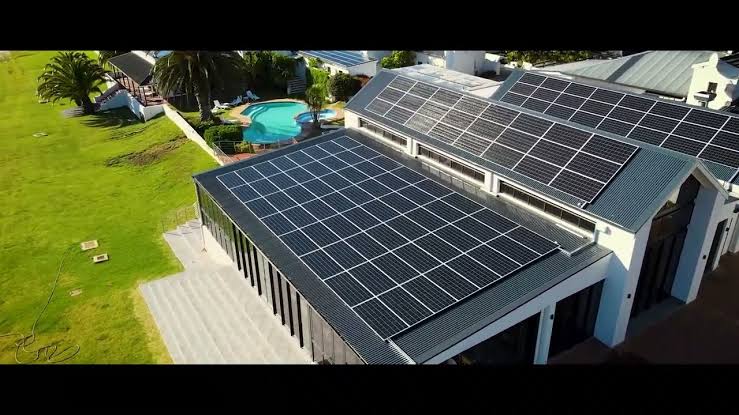
Solar panel power. Integrated inverters typically support a certain range of solar panel power. For example, a 5kW integrated inverter is recommended to be paired with a 6-8kWp solar panel to fully utilize the inverter capacity.
Battery type. Currently, most all-in-one computers use lithium iron phosphate (LiFePO4) batteries, which are safer and have a longer cycle life of over 6,000 cycles compared to ternary lithium batteries.
Off-grid capability. If your area experiences frequent power outages or is completely disconnected from the grid, choosing an all-in-one unit with strong off-grid output capability is crucial. Some high-end products support 100% load uninterrupted switching, achieving UPS-level performance.
Brand and Certification. Choosing products from brands with international certifications such as CE, RoHS, UN38.3, and IEC ensures better quality and after-sales service. Major international brands include Huawei, GoodWe, Tesla Powerwall, and Enphase IQ, while domestic brands include Growatt, Ginlong, and Sungrow Power.
The current price range for mainstream residential integrated solar power systems on the market is as follows: 3kW/5kWh approximately 25,000-40,000 RMB, 5kW/10kWh approximately 40,000-70,000 RMB, 8kW/15kWh approximately 60,000-100,000 RMB, and 10kW/20kWh approximately 80,000-140,000 RMB. It's important to note that these prices only cover the equipment cost and do not include additional costs such as solar panels, installation, and grid connection applications. The actual cost upon implementation is typically 1.5-2 times the equipment cost. Although the initial investment is higher, taking a 10kWh integrated system as an example, it can save approximately 6,000-12,000 RMB in electricity bills annually, allowing for a payback period of 8-10 years.
IV. Application Scenarios and Future Trends of Integrated Solar Units
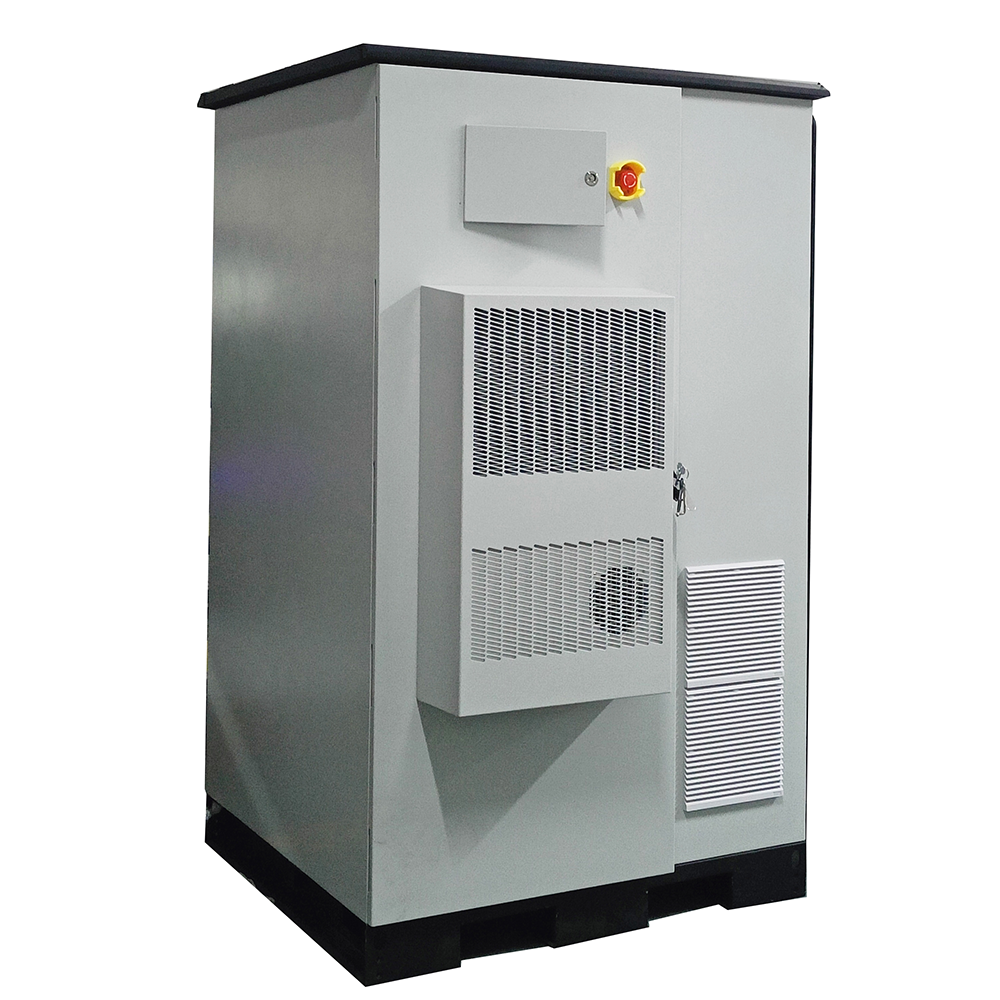
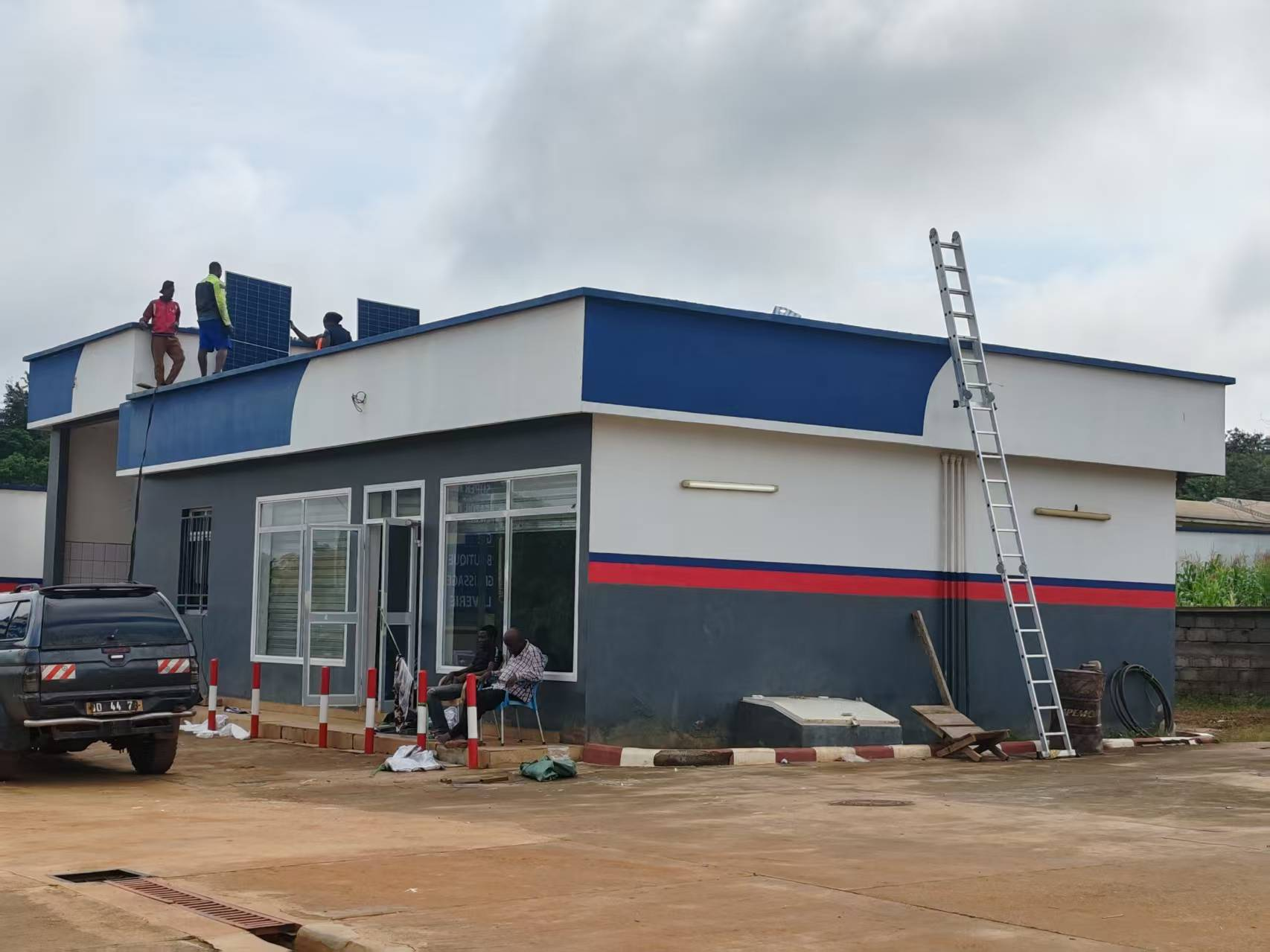
In terms of application scenarios, integrated solar panels are suitable for a variety of situations. For urban families seeking convenience, integrated panels are the best choice. Their simple installation, aesthetically pleasing appearance, and intelligent management make solar energy no longer a toy for professionals, but a clean energy solution easily accessible to ordinary households. For renovation projects, integrated panels have a small footprint and flexible installation methods, making them particularly suitable for older buildings that didn't have space reserved for solar systems during construction. For commercial retail stores such as cafes, restaurants, and small shops, integrated panels not only reduce electricity bills but also serve as a green and environmentally friendly promotional highlight, enhancing brand image. For remote areas or islands with unstable power grids, the one-stop solution of integrated panels can greatly simplify the construction of off-grid solar systems.
Regarding future development trends, several directions are worth noting. Integrated photovoltaic, energy storage, and charging systems are a significant trend. Future integrated solar power units will not only generate, store, and utilize electricity, but will also integrate electric vehicle charging capabilities, allowing car owners to charge their vehicles using solar energy during the day, achieving true zero-carbon travel. With advancements in battery technology, the energy density of integrated units will continue to increase, enabling them to store more electricity in the same volume, further reducing unit energy storage costs. Artificial intelligence will be deeply integrated into the energy management system of integrated units. By analyzing user electricity consumption behavior, weather forecasts, and electricity price fluctuations, AI can achieve near-perfect peak shaving and valley filling strategies, maximizing the value of every ray of sunlight. Furthermore, in the future, a large number of integrated solar power units can be connected via the internet to form virtual power plants (VPPs), participating in grid peak shaving and electricity market transactions. Users will not only save money but also earn additional income by selling electricity.
Conclusion
Integrated solar panels represent the future of home energy management. They encapsulate complex technology in a simple product, allowing every ordinary family to easily enjoy the convenience and affordability of clean energy.
Whether you are an urban white-collar worker pursuing a high quality of life, a green enthusiast concerned with environmental protection, or an investor looking for entrepreneurial opportunities—solar integrated machines are worth your serious understanding and in-depth investigation.
Take action now, starting today, and let the sunshine recharge your home!
Please contact Simon immediately to discuss your project:
• WeChat: TY530643572
• Telephone: +86 137 1166 0041