Harnessing the full potential of the sun requires more than just high-quality solar panels; it demands an intelligent brain for your system. An MPPT solar charge controller is that essential component, acting as the critical link between your solar array and your battery bank. Its primary role is to manage the power coming from the panels to ensure your batteries are charged safely and efficiently, preventing overcharging and extending their lifespan. By optimizing the energy harvest, this device ensures that you get the most out of your investment in renewable energy, making it a cornerstone of any modern, sustainable power setup.
What is Maximum Power Point Tracking?
At the core of these advanced devices is a technology known as Maximum Power Point Tracking (MPPT). Unlike older PWM (Pulse Width Modulation) controllers, MPPT technology actively scans the voltage and current from the solar panels to find the ideal combination, or 'maximum power point'. This point fluctuates throughout the day due to changes in sunlight intensity, temperature, and shading. The controller then converts the higher voltage DC output from the panels down to the lower voltage needed to charge the batteries, boosting the current in the process. This intelligent conversion significantly improves the overall solar charge controller efficiency, often harvesting up to 30% more power compared to non-MPPT controllers, especially in cooler weather or when battery voltage is low.
Choosing the Best MPPT Solar Controller for Your Needs
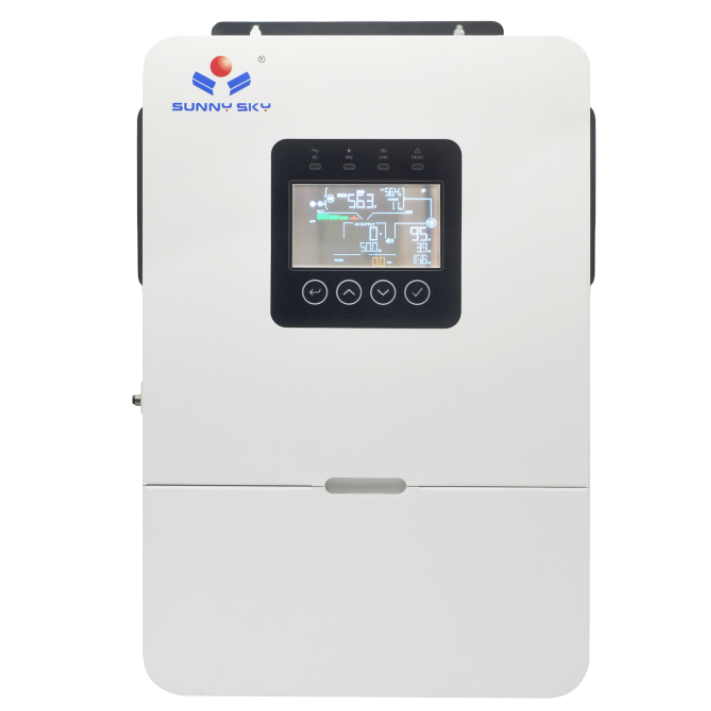
When searching for the best MPPT solar controllers, it's important to look beyond the basic specifications. Consulting solar charge controller reviews can provide valuable insights into real-world performance and reliability. A top-tier unit will feature a robust, compact design that is both durable and easy to integrate into your space. An essential feature to look for is a clear, user-friendly interface. Many modern controllers come with a digital LCD screen that provides real-time data on voltage, current, and total kilowatt-hours, allowing for effortless monitoring. Equally important is compatibility with your battery chemistry; if you are using modern energy storage, finding a reliable solar charge controller for lithium batteries is crucial for proper charging and system longevity.
Advanced Features of Smart Solar Charge Controllers
Today’s smart solar charge controllers offer more than just efficient charging. They are sophisticated energy management hubs. Look for units with intuitive controls and labeled buttons that make navigating menus and adjusting settings straightforward. Good thermal management, such as an integrated cooling fan, is another critical feature that ensures the system runs smoothly and efficiently, even under heavy loads. For more complex solar arrays, such as those with panels facing different directions, a dual MPPT solar charge controller can be a game-changer. These advanced models have two independent trackers, allowing each string of panels to operate at its unique maximum power point, further optimizing your total energy harvest.
A Note on Solar Charge Controller Installation
Proper solar charge controller installation is fundamental to the safety and performance of your entire system. While modern designs have made the process more user-friendly, it’s vital to follow the manufacturer's instructions precisely. This typically involves connecting the battery bank to the controller first, before connecting the solar panel array. This sequence allows the controller to correctly identify the system voltage. A quality MPPT solar charge controller will have clearly labeled terminals for the solar panels, batteries, and DC load, simplifying the wiring process. By investing in a high-quality controller and ensuring it is installed correctly, you are building a reliable and highly efficient solar power system that will serve you for years to come.