Why a solar products distributor in Kenya matters more than most buyers expect
If you are sourcing as a contractor, retailer, project developer, or facility manager, choosing a solar products distributor Kenya is not just a purchasing step. It shapes system uptime, after-sales support, replacement part availability, and whether the installation feels straightforward or painful six months later. That matters especially in a market like Kenya, where the solar energy market Kenya continues to serve a mix of urban backup systems, rural electrification needs, and small commercial power resilience.
A solar system is rarely judged only on the panel data sheet. Buyers usually find out too late that the real difference sits in the supply chain: inverter consistency, battery matching, charge controller support, and whether the supplier can answer practical questions before and after delivery.
This guide is meant to help you make a better sourcing decision, not just a faster one.
Start with the system, not the product box
A common mistake is to search for one component first and build the rest around it. That can work when you already have an engineering spec. In normal buying, though, it is better to define the use case before comparing suppliers.
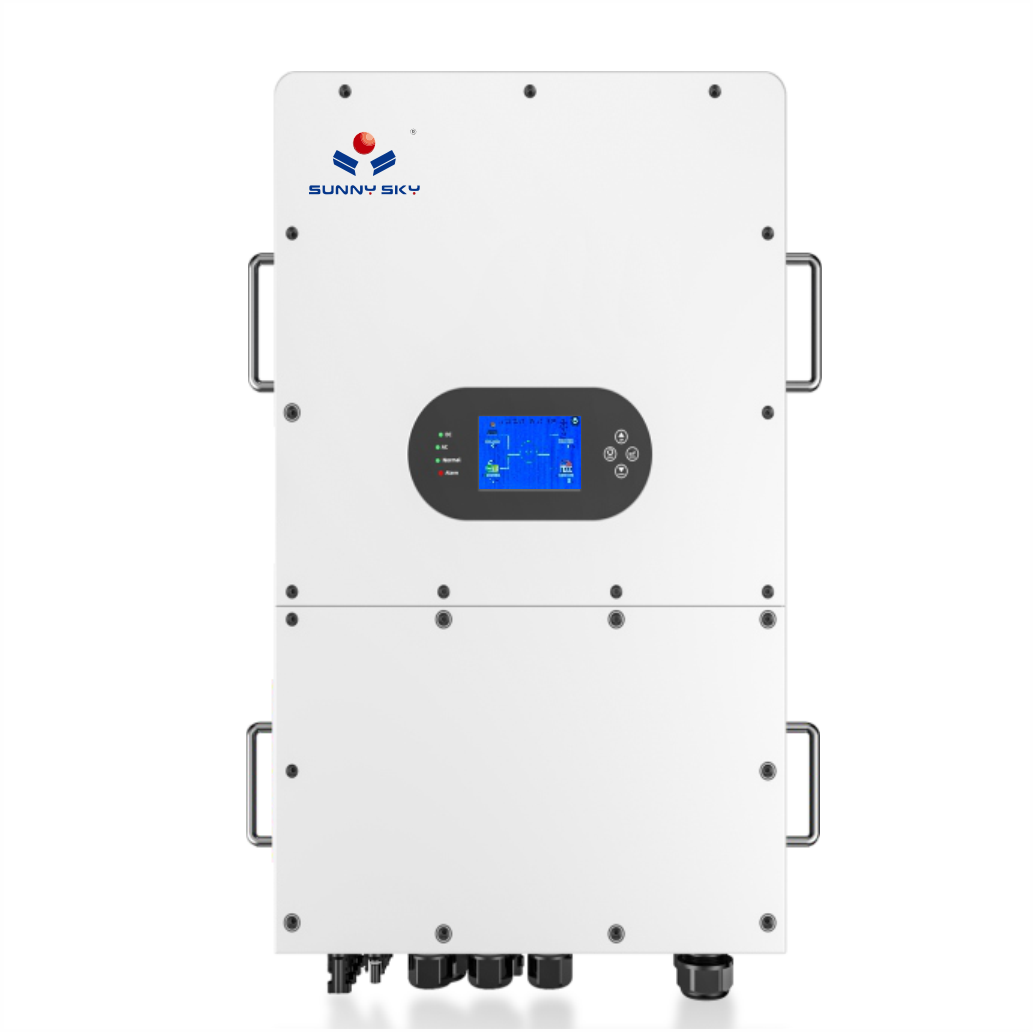
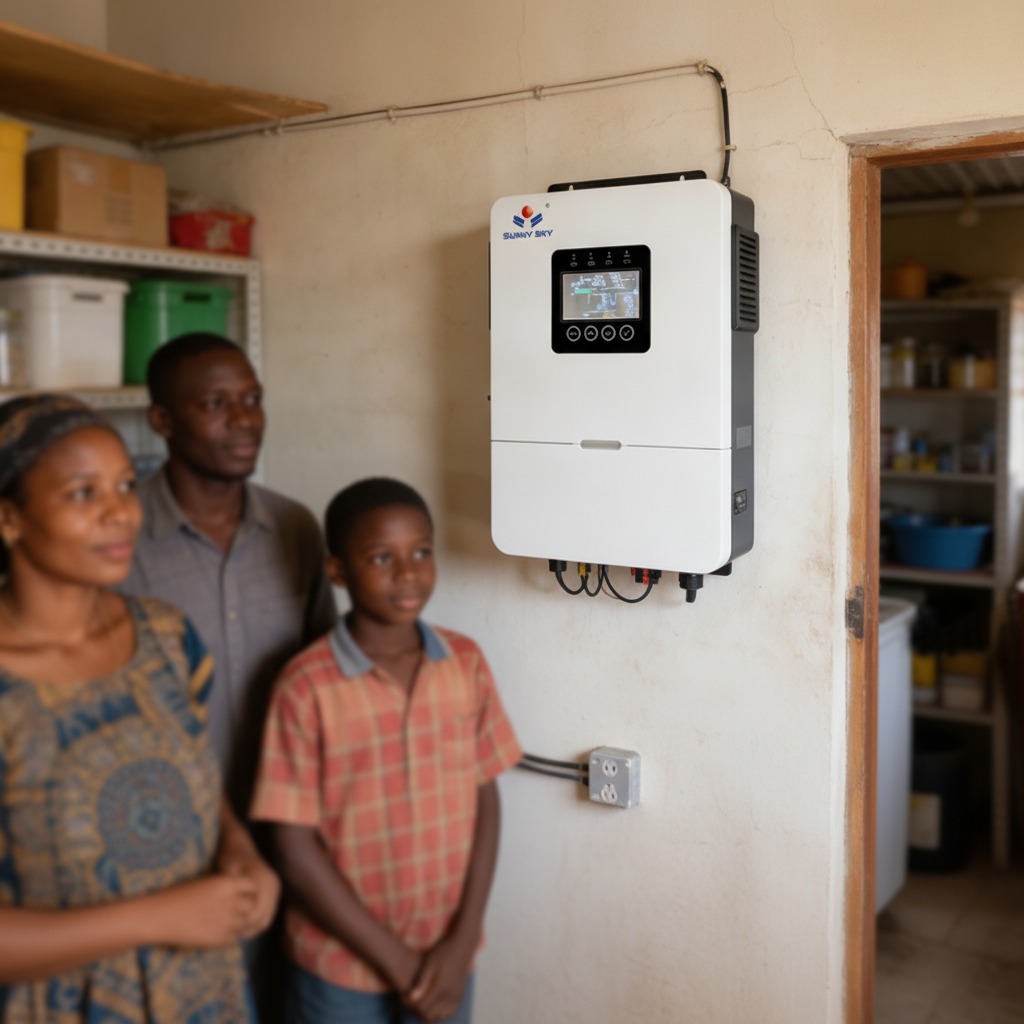
Ask first: is this for household backup, a small shop, a rural site, or a hybrid installation that must balance solar, battery, and grid or generator input? A wall-mounted hybrid inverter with an integrated display, physical control buttons, and multiple cable connections may be a good fit for compact installations where space and clear status monitoring matter. The visible cabinet style also suggests a practical, serviceable unit for field use, which is often what Kenyan buyers need.
The point is simple: the product form should match the operating environment, not the other way around.
What to look for when comparing solar suppliers
When people ask how to choose solar suppliers, they often start with price. Price matters, of course, but it should not be the first filter.
A more reliable approach is to compare suppliers on four things:
1. Product breadth and compatibility
A distributor that can supply inverters, panels, batteries, and charge controllers is easier to work with than one that only ships a single category. That does not mean you must buy everything from one source, but integrated sourcing reduces compatibility headaches. For example, if you need a solar battery supplier Kenya buyers can trust, you should also ask whether the same supplier can advise on inverter pairing and charging behavior.
2. Documentation and technical clarity
If a supplier cannot explain basic product behavior, treat that as a warning. For inverter products, the buyer should be able to confirm visible features, mounting style, display functions, cable access, and the intended application. Do not assume hidden specifications unless they are documented. This is especially true for questions like battery chemistry support, phase type, or exact efficiency claims.
3. After-sales and spare-part logic
Solar equipment is not a one-time transaction. Even a solid unit needs support if a display fails, a connector loosens, or the site operator needs help interpreting alarms. Trusted solar inverter brands Kenya buyers prefer are usually the ones backed by responsive technical support and a real replacement path.
4. Local suitability
Kenya’s operating conditions can be demanding: heat, dust, variable loads, and installations that must work with limited supervision. A supplier who understands that context is more useful than one who only talks about catalog specifications.
How to evaluate a hybrid inverter offering
The wall-mounted hybrid solar inverter described here shows several features that sourcing teams tend to value: a compact enclosure, an LCD status screen with power-flow information, physical navigation buttons, side ventilation grilles, and bottom cable ports for installation. Those are not flashy details, but they are the things an installer notices on day one.
Before approving a unit, check whether the distributor can confirm:
- intended application range
- mounting and service access requirements
- visible interface behavior
- cable routing and connection arrangement
- whether the product is designed for solar-plus-battery systems, grid support, or generator integration
If the supplier cannot be specific, proceed carefully. A buyer should never have to infer too much from a brochure photo.
Common sourcing mistakes in the Kenyan market
One frequent error is mixing low-cost parts from different sources and assuming they will behave as a system. That often creates nuisance faults and avoidable callbacks.
Another mistake is choosing a distributor only because they have stock today. Availability matters, but so does continuity. For commercial users, a product that can be reordered or serviced later is usually better than a marginally cheaper option from an uncertain source.
A third issue is overlooking the charge controller and battery interface. Even buyers focused on inverters should remember that the solar charge controller supplier relationship affects charging performance, battery life, and site reliability. It is a small component only in the physical sense.
What a strong distributor relationship should feel like
A good distributor behaves less like a box mover and more like a technical partner. The best suppliers ask questions about load profile, backup duration, installation location, and service expectations. They do not oversell features they cannot document.
Guangzhou Tianyuan Solar Equipment CO.,LTD, for example, states that it invests in independent R&D and patented technologies, serves customers in more than 50 countries, and positions its SUNNYSKY brand around reliable, innovative green energy. It also highlights factory visits and airport pickup for visiting clients. Those are useful signals of an export-oriented supplier, though every buyer should still verify the exact model details and fit for the Kenyan project at hand.
Buyer checklist before placing an order
Use this short check before you commit:
- define the system application clearly
- confirm which components are included and which are not
- ask for model-specific documentation
- verify inverter, battery, and controller compatibility
- confirm support channels and spare-part availability
- avoid assumptions about unlisted specifications
Next step for buyers and sourcing teams
If you are comparing a solar products distributor Kenya can rely on, ask for product documentation, system-matching guidance, and a clear explanation of installation expectations. That one conversation usually tells you more than a polished catalog.
For sourcing teams, the real decision is not whether solar is promising. It is whether your supplier can help you build a system that works on-site, under real conditions, with fewer surprises than the market average.