tianyuansolar@gmail.com

Keeping It Fresh: How Didisolar Solar-Powered Cold Storage Systems Support Agriculture and Health

  • News
Posted by SUNNYSKY On Jun 17 2025

Keeping It Fresh: How Didisolar Solar-Powered Cold Storage Systems Support Agriculture and Health

The Cold Chain Problem in Remote Regions

In rural Africa, Southeast Asia, and parts of Latin America,lack of cold storage leads to massive post-harvest lossesin agriculture and significant challenges for rural healthcare.

Common issues include:

  • Fruits and vegetables spoiling within 1–2 days

  • Fishermen unable to store catches for market

  • Vaccines and insulin degrading without temperature control

  • Diesel coolers being too expensive and unreliable

Asolar-powered cold storage systemoffers a sustainable alternative—especially when grid power is limited or unavailable.

Scenario 1: Farm-Based Cold Room for Vegetables

Location:Highlands of Ethiopia
Problem:30% crop loss due to market delay + heat
Solution:

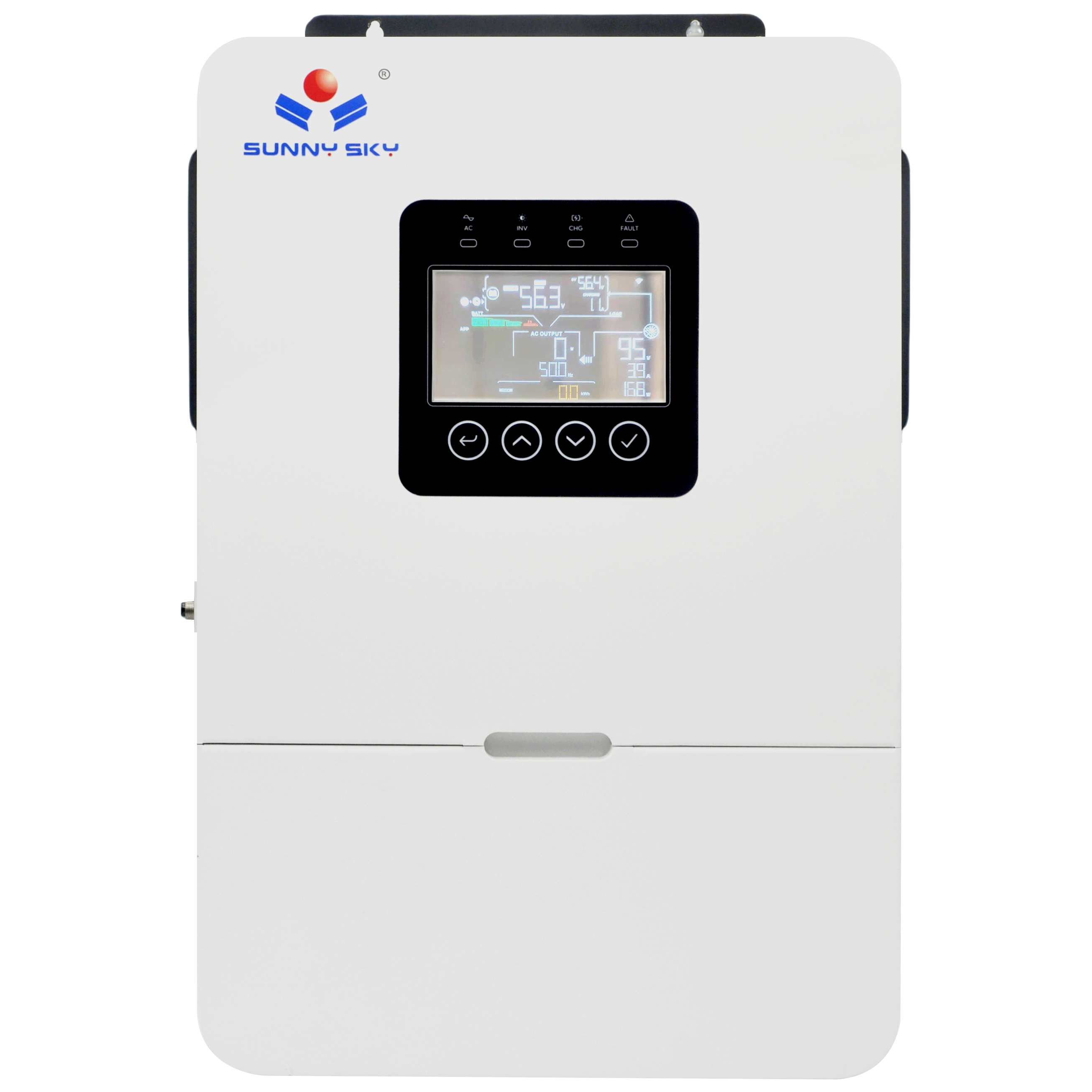
  • 5KW hybrid inverter

  • 10kWh lithium battery

  • 5kW PV array

  • 8m³ cold room, 2–8°C range

Impact:

  • 3 extra days of freshness

  • Ability to negotiate better prices

  • Women-led coop increased export income by 22%

Scenario 2: Vaccine Storage in Rural Clinic

Location:Northern Ghana
Problem:Grid unreliable; vaccines frequently wasted
Solution:

  • 3KW off-grid inverter

  • 8kWh battery

  • 2kW solar input

  • WHO-compliant vaccine fridge

Impact:

  • 100% cold chain uptime

  • Saved $5,000/year in spoiled inventory

  • Earned local health authority energy efficiency recognition

What’s Inside a Didisolar Cold Storage System?

Component Specification
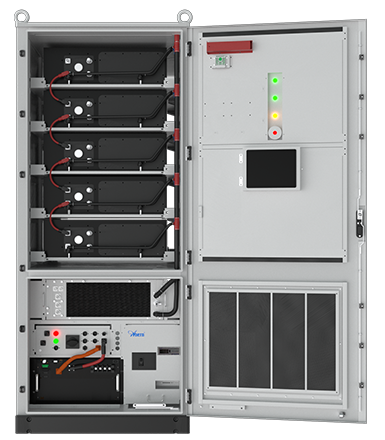
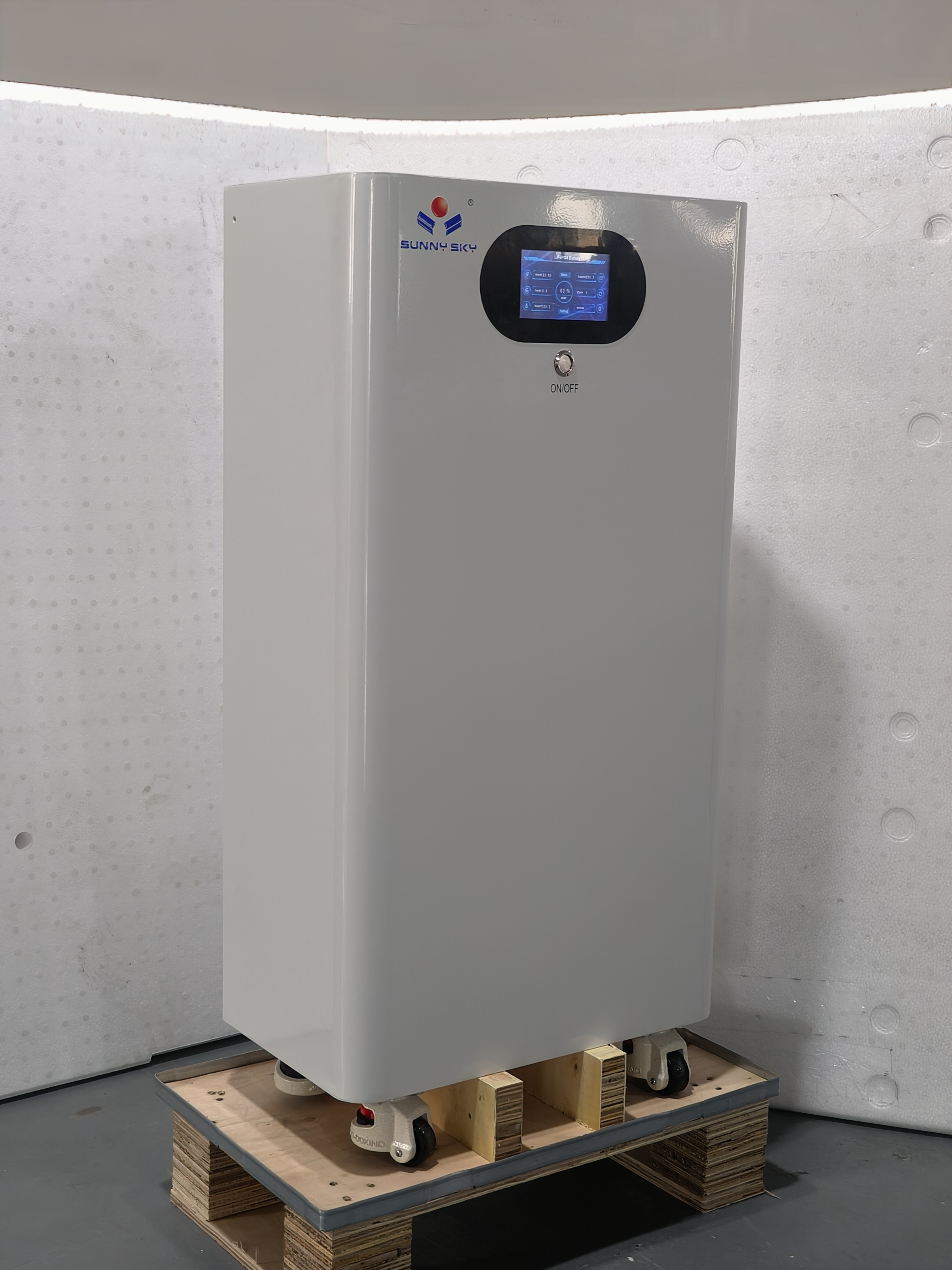
Inverter + Battery Hybrid/off-grid, 3–10KW, 5–20kWh battery (LiFePO₄)
Cold Room or Fridge Custom 3–10m³, WHO/food-grade compliant, 2–8°C
MPPT Solar Charging ≥99% efficiency, fast recovery after cloudy days
Monitoring System WiFi/GSM for temp + power tracking
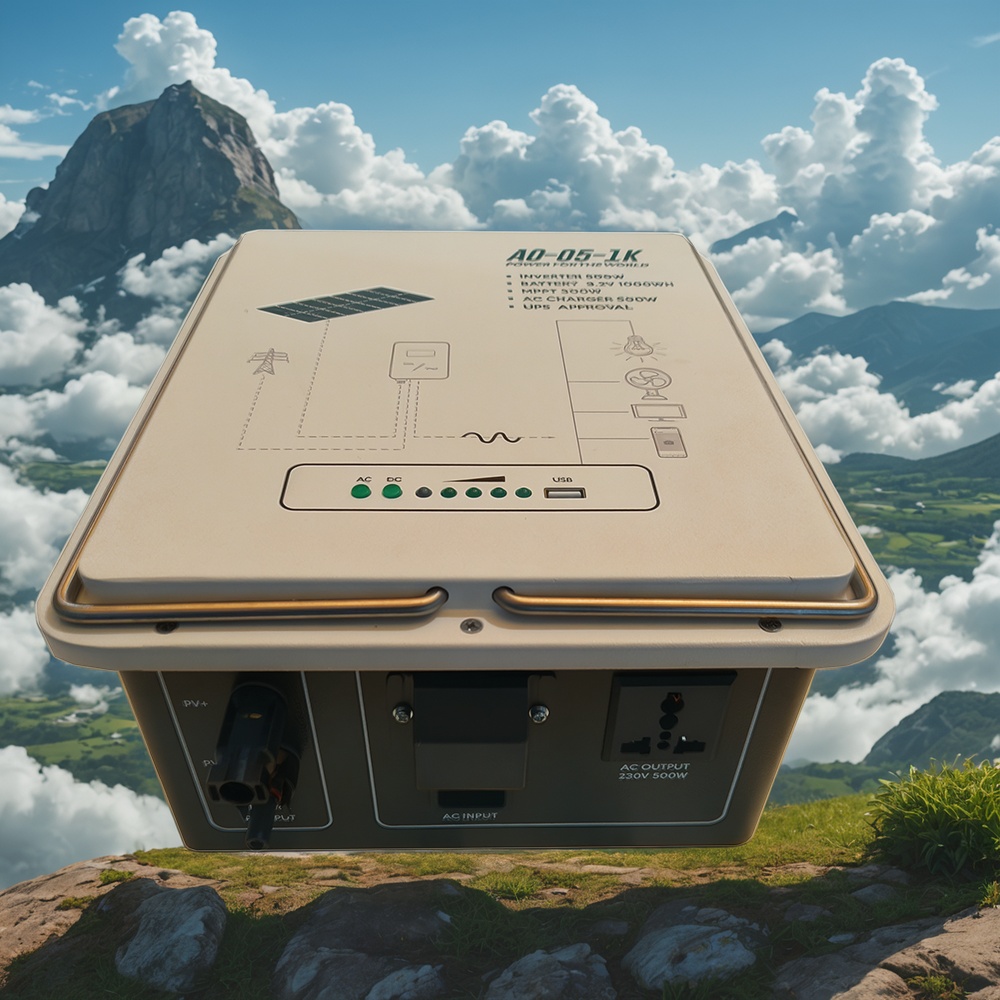
Installation Type Indoor container / wall-mount / outdoor ruggedized enclosure

All systems are modular, customizable, and suitable for temperature-sensitive use cases.

Why Choose Didisolar for Cold Storage?

  • Designed fortropical/high-heat environments

  • Energy optimized fornight cooling autonomy

  • Proven withagriculture NGOs and health agencies

  • Remote monitoring = lower maintenance cost

  • Compact + plug-and-play = minimal installer training

Explore cold storage solutions on Didisolar

Use Case Summary Table

Use Case Recommended System Runtime Support
Farm cold room 5KW + 10kWh + 5KWp solar 3–4 days backup autonomy
Fishing icebox 3KW + 5kWh + 3KWp solar 48 hours storage
Clinic fridge 3KW + 8kWh + 2KWp solar 24–72h depending on load

Conclusion

Whether you're protecting harvests or preserving vaccines,solar-powered cold storage is a game-changer. Didisolar’s solutions deliver off-grid cooling with reliability, remote monitoring, and practical deployment models.
Contact Didisolar for a quote or reseller inquiry

Recommended Products

Featured Blogs

Tag:

  • news
Share On
Featured Blogs
Why Choose a Solar Supplier with Its Own Factory? In-Depth Analysis

Why Choose a Solar Supplier with Its Own Factory? In-Depth Analysis

1. Product quality control: end-to-end management from raw materials to finished products. 2. Stable supply guarantee: No shortage of stock during peak season, flexible order adjustments. 3. Customization advantage: Flexible customization of appearance, parameters, functions, and packaging. 4. Reliable after-sales service: clear responsibilities, sufficient spare parts, and rapid response. 5. Long-term cooperation value: stable prices, product iteration, and stable relationships. 6. How to choose: A comprehensive evaluation based on scale, management, technology, and qualifications.

Why have lithium iron phosphate batteries become the mainstream energy storage solution? In-depth analysis of their advantages and disadvantages.

Why have lithium iron phosphate batteries become the mainstream energy storage solution? In-depth analysis of their advantages and disadvantages.

1. What is a lithium iron phosphate battery: its structure, operating principle, and material properties? 2. Core advantages: High safety, long cycle life, stable cost, and excellent high-temperature performance. 3. Limitations: Low energy density, poor low-temperature performance, and challenges in achieving consistency. 4. Comparison of three types of batteries: Lithium iron phosphate vs. Ternary lithium vs. Lead-acid battery 5. Application scenarios: residential energy storage, industrial and commercial energy storage, and communication backup power. 6. Avoiding pitfalls when purchasing: Falsely advertised capacity, refurbished old cells, and warranty traps.

Why must off-grid systems be equipped with inverters? Analysis of the energy storage system workflow.

Why must off-grid systems be equipped with inverters? Analysis of the energy storage system workflow.

1. Direct Current (DC) vs. Alternating Current (AC): Why Conversion is Necessary 2. The complete workflow consists of four stages: charging, energy storage, discharging, and switching. 3. MPPT tracking, BMS management, and islanding protection – the core functions of an inverter. 4. How to select a model: power matching, voltage range, battery compatibility, conversion efficiency 5. Overload and short-circuit protection: key guarantees for safe system operation 6. Communication Monitoring: Remotely view system status and perform remote diagnostics.

Real-world user experience with integrated solar water heaters: Is it worth buying? Read this article.

Real-world user experience with integrated solar water heaters: Is it worth buying? Read this article.

1. What is a solar integrated machine: Working principle and three types explained 2. Core Advantages: Simple installation, optimized integration, intelligent management, and unified after-sales service. 3. Limitations and shortcomings: Low maintenance flexibility, high upgrade costs, and relatively high price. 4. Suitable for families: Urban families with high electricity bills, families worried about power outages, and users who value aesthetics. 5. Key considerations for purchasing: brand strength, core specifications, warranty terms, user feedback, and price evaluation. 6. Is it worth buying? Choose the most suitable option based on your needs.

tianyuansolar@gmail.com
+86-13711660041
+8613711660041
WhatsApp :WhatsApp QR Code