Foreword
Inverters play a crucial role in the core components of solar photovoltaic systems. They not only convert the direct current (DC) generated by solar panels into alternating current (AC), but also perform multiple functions such as system monitoring, energy management, and safety protection. However, many users and even industry professionals preparing to install solar systems are confused about inverter classification and selection. Especially regarding hybrid inverters and grid-connected inverters, many people cannot distinguish between the two or make the correct choice based on their own circumstances. Choosing the wrong inverter type can not only limit system functionality but also lead to redundant investment or failure to meet actual usage needs, potentially resulting in losses of tens of thousands of yuan. This article will systematically compare the differences between hybrid inverters and grid-connected inverters from multiple dimensions, including working principles, functional differences, applicable scenarios, and key selection points, to help readers choose the right system type and avoid unnecessary losses.
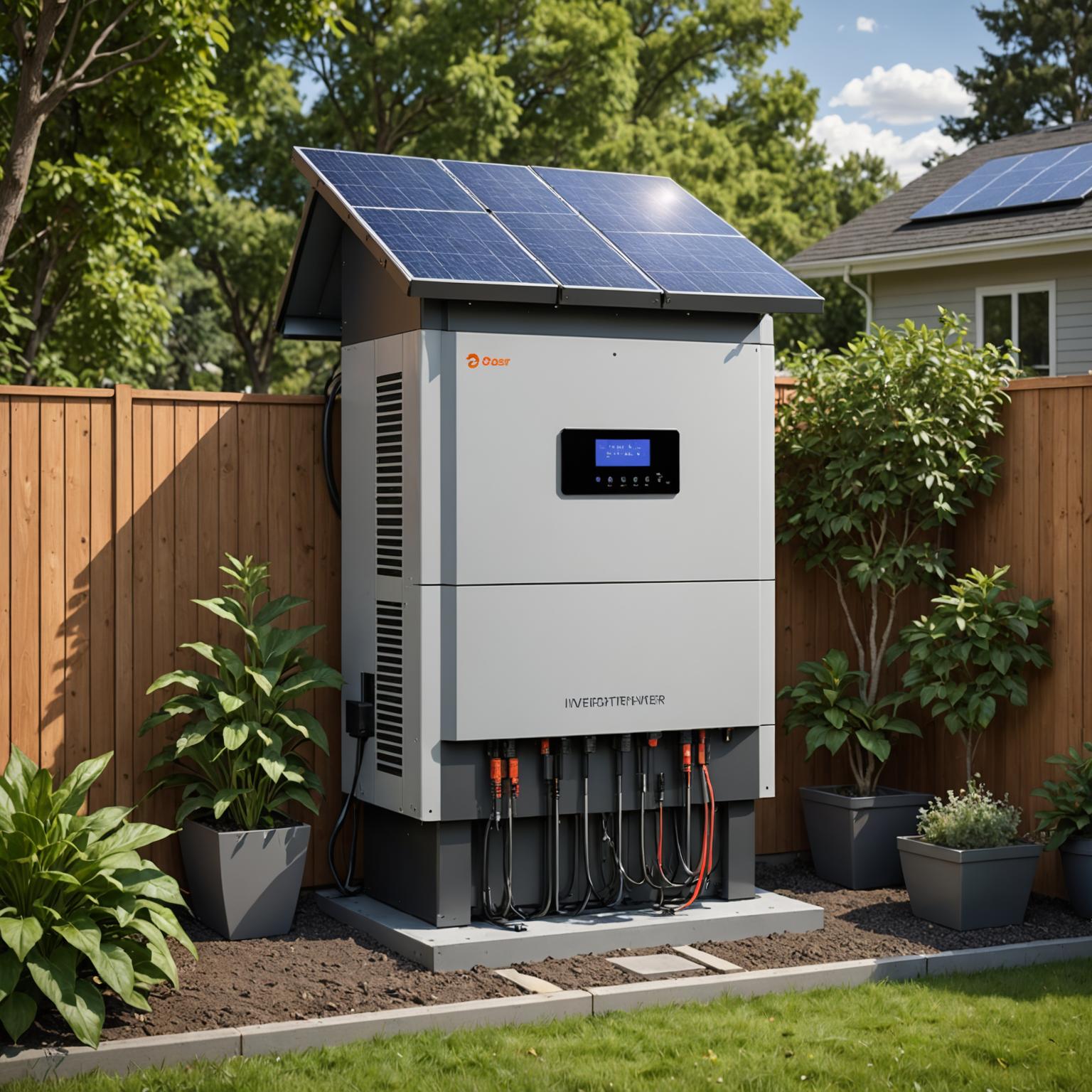
I. Basic Concepts and Working Principles in In-Depth Comparison
Before we begin, we need to clarify a few basic concepts. A solar inverter is the core power conversion device in a solar photovoltaic system. It converts the direct current (DC) generated by solar panels into alternating current (AC) for use by household or industrial equipment. Based on whether it is connected to the power grid, solar systems can be divided into two main categories: grid-connected systems and off-grid systems. Inverters are therefore classified into three main types: grid-connected inverters, off-grid inverters, and hybrid inverters.
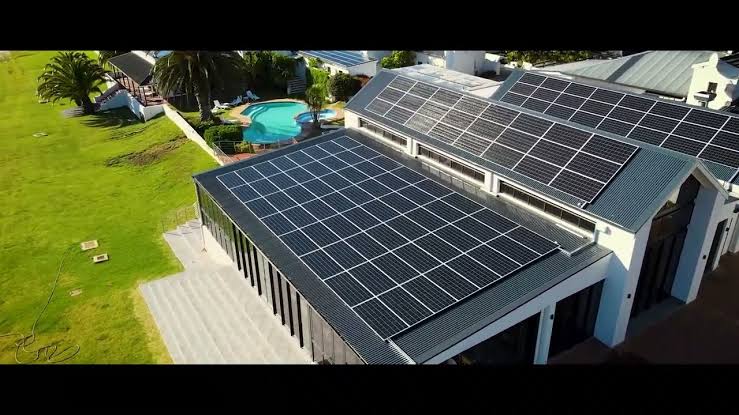
A grid-connected inverter is an inverter specifically designed for grid-connected systems. Its core function is to convert direct current (DC) to alternating current (AC) and supply it to the grid. In a grid-connected system, the solar system and the grid complement each other: when solar power generation is sufficient, the system sells electricity to the grid; when solar power generation is insufficient (such as at night or on cloudy days), the system purchases electricity from the grid. In this mode, users still rely on the grid as a "virtual battery" and do not need to install physical energy storage devices. The working principle of a grid-connected inverter is relatively simple. It needs to detect the voltage, frequency, and phase of the grid in real time, synchronize the output AC power with the grid, and ensure safe and reliable power delivery to the grid. Grid-connected inverters typically do not have energy storage capabilities and cannot supply power to the load during power outages.
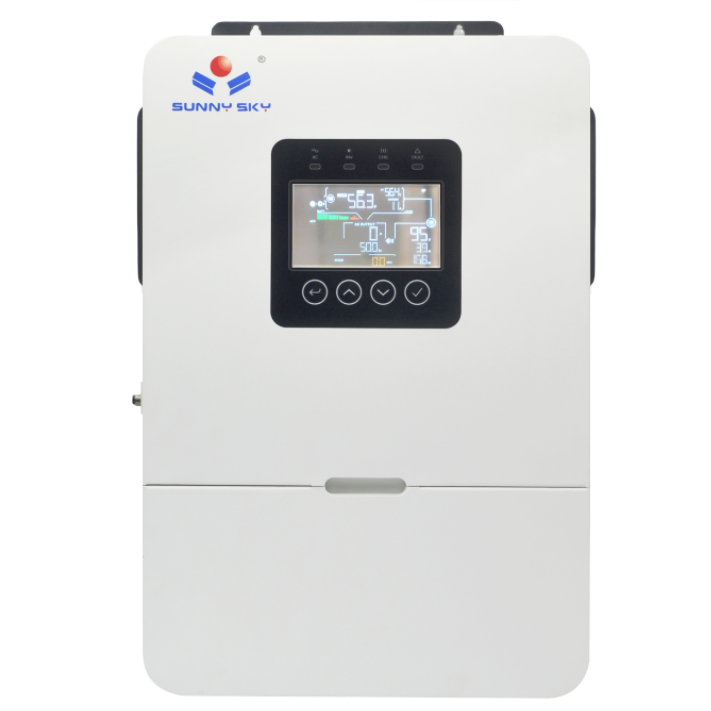
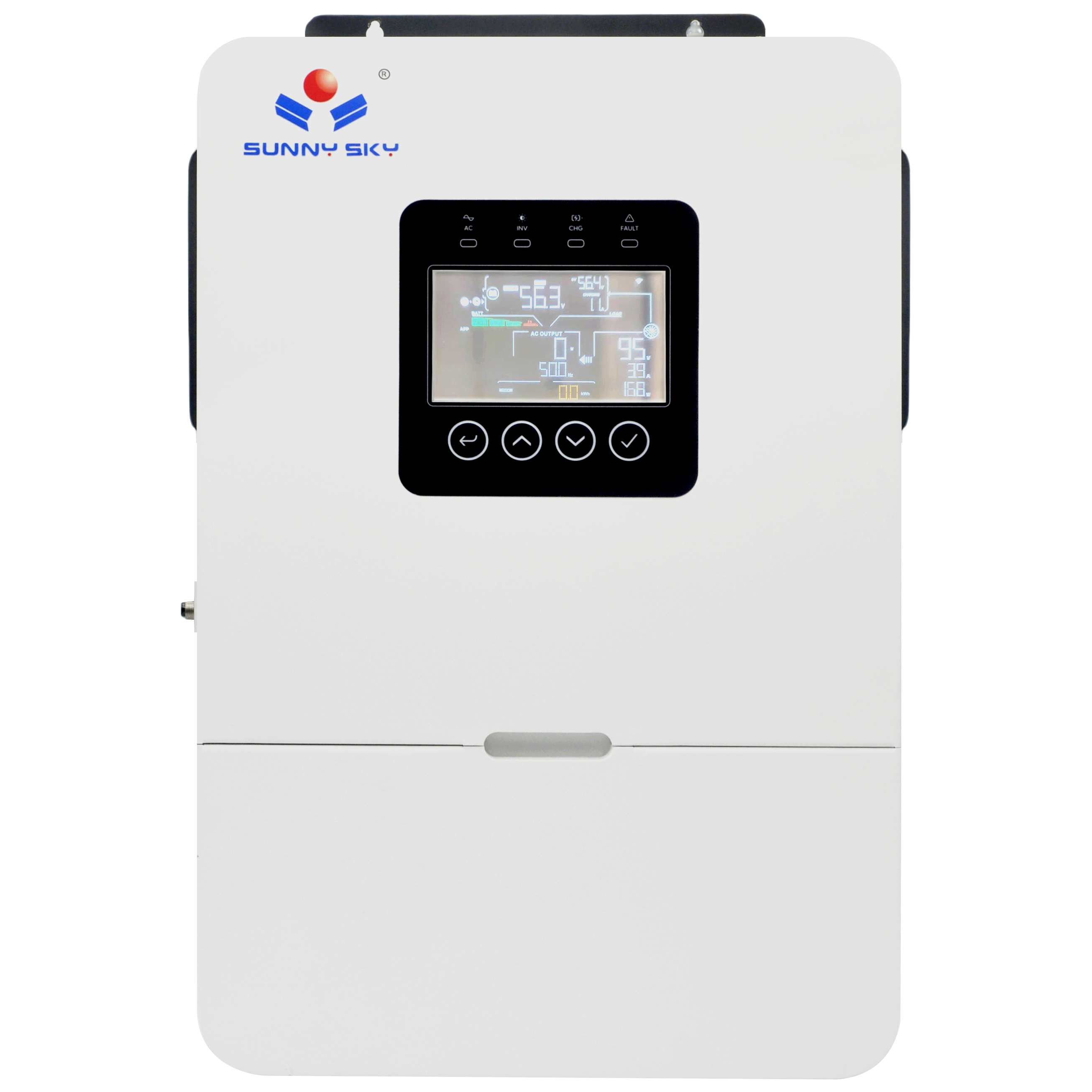
Hybrid inverters are a rapidly developing type of inverter in recent years. They integrate both grid-connected and off-grid functions, allowing them to operate both connected to and independently of the grid. Building upon grid-connected inverters, hybrid inverters add an energy storage battery interface and a battery management system, enabling charging, discharging, and energy storage management. When solar power is abundant, the hybrid inverter stores the energy in its batteries and then feeds excess energy back to the grid or supplies power to the load. When solar power is insufficient, the hybrid inverter discharges from the batteries to meet load demands. In the event of a grid outage, the hybrid inverter can switch to off-grid mode to provide backup power for the home. The core advantage of hybrid inverters lies in their flexibility, allowing users to enjoy both the convenience of grid connection and the independence of off-grid operation.
From a technical architecture perspective, grid-connected inverters typically employ a single-stage or two-stage conversion structure. Direct current (DC) is converted to alternating current (AC) via an inverter bridge and then directly connected to the grid, resulting in a relatively simple structure. Hybrid inverters, on the other hand, utilize a more complex topology, requiring the simultaneous management of multiple energy paths, including solar input, battery charging and discharging, grid interaction, and load output. This places higher demands on the control system. Consequently, hybrid inverters typically cost 30% to 50% more than grid-connected inverters of the same power output, but the resulting functional improvements are unparalleled by grid-connected inverters.
II. Comprehensive Comparison of Functional Differences
Hybrid inverters and grid-connected inverters differ significantly in function, and these differences directly determine their respective applicable scenarios and user experiences.
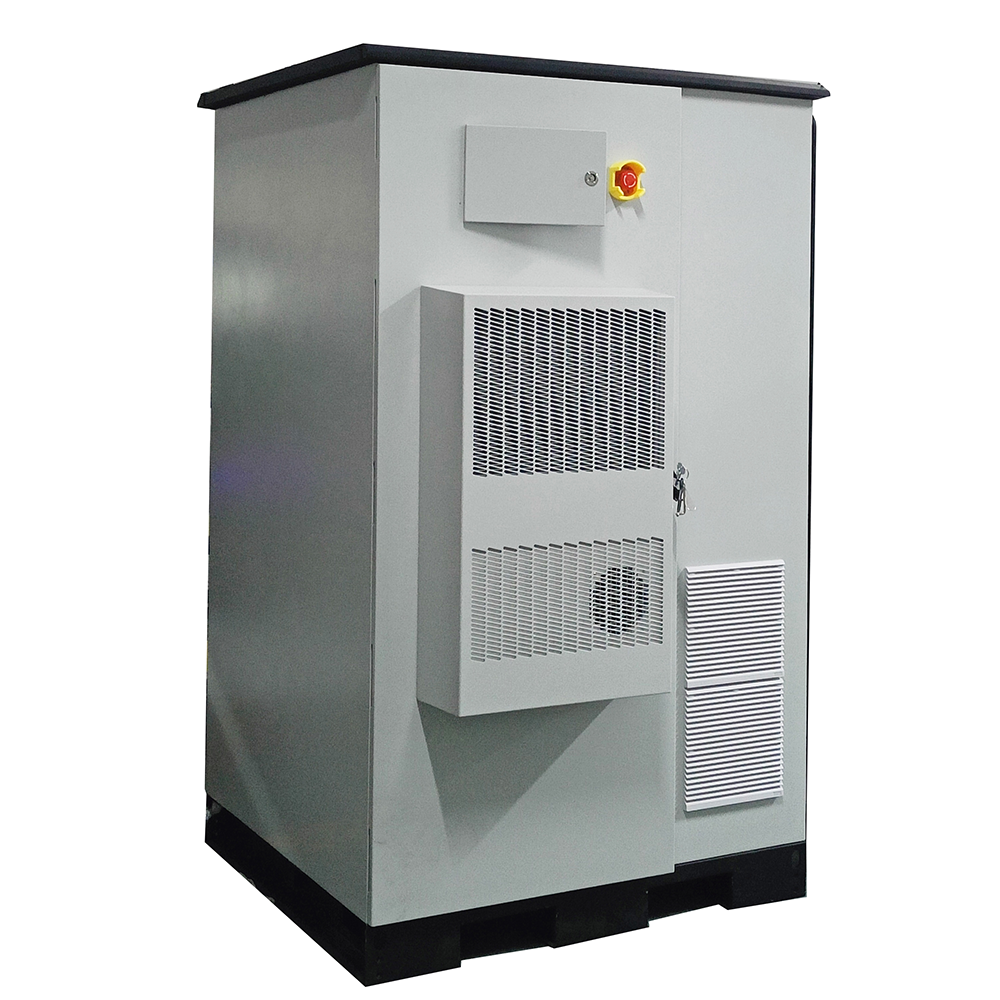
The most significant difference lies in energy storage capabilities. Grid-connected inverters lack built-in energy storage. If users wish to install a battery energy storage system, they must purchase separate energy storage equipment (such as battery cabinets and BMS) and have it integrated into the system by professionals. This not only increases costs but also adds complexity and potential points of failure. Hybrid inverters, on the other hand, have built-in battery management capabilities. Users only need to purchase and connect battery modules, resulting in higher system integration and stability. For users with peak-valley arbitrage needs, who do not wish to rely on grid stability, or who wish to maintain power supply during large-scale power outages, hybrid inverters are the only viable option.
Regarding power outage capability, grid-connected inverters automatically stop working when the grid loses power. This is a mandatory design for safety reasons—if the inverter continues to output power to the grid during a power outage, it could pose an electric shock hazard to workers repairing the grid. However, this also means that users with grid-connected systems will also lose solar power during a grid outage; even if the solar panels are generating electricity during the day, the system will be unusable. Hybrid inverters, on the other hand, can switch to off-grid mode to continue supplying power to homes during grid outages. This function is crucial in areas with unstable grids (such as parts of Southeast Asia and Africa) or in locations with high requirements for power continuity (such as hospitals, data centers, and farms). Some high-end hybrid inverters can switch within 10 milliseconds after a grid outage, achieving truly uninterrupted power supply.
In terms of energy management, grid-connected inverters are relatively simple, with the primary goal of maximizing the power output of solar panels and feeding as much electricity as possible into the grid. They typically lack the ability to optimize energy allocation based on electricity prices and load conditions. Hybrid inverters, on the other hand, can implement smarter energy management strategies. For example, they can prioritize purchasing electricity from the grid to charge the battery during off-peak hours and prioritize using the battery for power generation or selling electricity back to the grid during peak hours; or they can predict solar power generation based on weather forecasts and historical data and adjust battery charging and discharging strategies in advance. In regions with time-of-use pricing policies, this intelligent energy management can significantly reduce electricity costs.
In terms of system scalability, grid-connected systems are primarily expanded by adding solar panels and inverters, but this is limited by grid connection capacity. If the local grid capacity is limited, it may be impossible to apply for a larger capacity grid-connected system. Hybrid systems can expand energy storage capacity by increasing battery capacity while reducing dependence on the grid. If users wish to gradually reduce their dependence on the grid and increase their freedom of electricity use, hybrid systems offer a better expansion path. Users can start by installing a smaller system and gradually increase battery capacity and solar panel scale as budget increases and demand grows.
In terms of system monitoring, modern hybrid inverters are typically equipped with more comprehensive monitoring functions. Besides basic power generation and output monitoring, they can also monitor parameters such as battery SOC, charge/discharge cycle count, off-grid operation time, and energy flow, and support remote viewing and management via mobile app or web interface. Some brands of hybrid inverters also support integration with smart home systems to achieve more advanced energy management scenarios. Grid-connected inverters have relatively basic monitoring functions, mainly focusing on power generation statistics and basic fault diagnosis.
III. Applicable Scenarios and Selection Recommendations
After understanding the functional differences between hybrid inverters and grid-connected inverters, we need to choose the appropriate inverter type based on the actual scenario.
For most urban households, if the local power grid is stable, electricity prices are not affected by peak and off-peak periods, there is no concern about power outages, and the user simply wants to reduce electricity bills through solar energy, then a grid-connected system is an economical option. Grid-connected systems have low initial investment, no battery costs, are easy to install, and have a relatively short payback period. For example, a 5kW grid-connected system requires an initial investment of approximately 30,000 to 50,000 yuan, can generate about 7,000 kWh of electricity annually, saving about 3,500 yuan in electricity bills, and has a payback period of about 8 to 10 years.
For the following types of users, hybrid inverters are a better choice. The first type is users in areas with unstable power grids. If your area experiences frequent power outages or significant grid voltage fluctuations, a hybrid system can provide reliable backup power. Even if consecutive cloudy days result in insufficient solar power generation, the energy stored in the batteries can support the operation of basic loads. The value of hybrid systems is particularly evident in areas with inadequate grid coverage, such as Southeast Asian islands, remote areas of Africa, and mountainous regions of South America.
The second category is users with peak-valley arbitrage needs. If your area implements a time-of-use pricing policy, with a significant difference between off-peak and peak daytime electricity prices, a hybrid system can profit by charging at low prices at night and discharging at high prices during the day. For a 10kWh battery, performing peak-valley arbitrage once a day, assuming a peak-valley price difference of 0.6 yuan, the daily profit would be approximately 6 yuan, about 2200 yuan per year, and over ten years, the accumulated profit would exceed 20,000 yuan, enough to cover the additional investment in the battery.
The third category consists of users with high requirements for continuous power supply. Hospitals, clinics, laboratories, data centers, farms, cold chain warehouses, and similar locations have extremely high requirements for continuous power supply; a power outage could lead to significant losses. For these users, even if the probability of a power outage is low, a hybrid system is a worthwhile investment as insurance. A few hours of backup power capacity during critical moments can be far more valuable than the additional investment in the system.
The fourth category is users who wish to achieve energy independence. With the global energy crisis and rising electricity prices, more and more people want to reduce their dependence on the power grid and achieve a certain degree of energy independence. Hybrid systems, combined with sufficient battery capacity, can allow users to achieve basic electricity self-sufficiency during the day, and in ideal circumstances, even complete grid disconnection (known as a "solar-plus-storage" system). Although complete grid disconnection requires a significant initial investment, in the long run, it can eliminate electricity bills and is unaffected by fluctuations in grid electricity prices.
The fifth category consists of users participating in virtual power plant or demand response projects. Power companies in some regions have launched virtual power plant projects, allowing users to provide peak-shaving services to the grid through hybrid system batteries and receive subsidies or electricity bill credits. A prerequisite for participating in these projects is that the hybrid inverter can accept grid dispatch signals and achieve intelligent charging and discharging.
Regarding power selection, both grid-connected inverters and hybrid inverters can cover a power range from several hundred watts to several hundred kilowatts. The selection must be matched to the installed capacity of the solar panels. It is generally recommended that the inverter power be 80% to 100% of the total power of the solar panels. This allows the inverter to operate in a higher efficiency range in most situations, while allowing for some over-generation capability during periods of exceptionally high sunlight. For example, if you plan to install 5kW of solar panels, you can choose a 4kW to 5kW inverter. It should be noted that because hybrid inverters need to manage battery charging and discharging simultaneously, the actual usable output power may be slightly lower than the rated value; therefore, a certain margin should be allowed when selecting a model.
IV. Key Selection Points and Pitfall Avoidance Guide
When making a specific selection, the following key points should be noted to help you avoid common pitfalls.
First, clearly define your needs before selecting a system; don't waste money on "feature-rich" features. If, after evaluation, you confirm that you don't need energy storage or backup power, that your local power grid is very stable, and that there are no peak-valley electricity price differences, then a grid-connected system is sufficient. The extra features of a hybrid system will be idle for you. Rationally assess your actual needs and avoid paying for features you don't need.
Second, focus on inverter efficiency rather than just maximum efficiency. Inverter efficiency curves typically vary between 20% and 100% load rate, with maximum efficiency usually reached between 50% and 80% load rate. Matching the inverter power to the solar panel capacity, ensuring the inverter operates in its high-efficiency range most of the time, is more practical than pursuing higher maximum efficiency. Also, pay attention to the European efficiency rating, which represents the weighted average efficiency of the inverter under various typical operating conditions, providing a more accurate reflection of real-world performance.
Third, confirm the compatibility between the inverter and the battery. Hybrid inverters typically require specific brands or protocols for use with batteries. Before purchasing, confirm the inverter's supported battery types (lithium iron phosphate, ternary lithium, etc.), voltage range, and communication protocols. Some brands of hybrid inverters only support their own batteries, resulting in a relatively closed system, which can affect the flexibility of future upgrades and maintenance. Choosing an inverter that supports mainstream open protocols (such as CAN, RS485, etc.) will facilitate compatibility with other battery brands later on.
Fourth, prioritize after-sales and warranty services. Inverters are among the components with a relatively high failure rate in solar energy systems, making excellent after-sales service crucial. Choosing a brand with a comprehensive local service network, a long warranty period (e.g., 5 to 10 years), and the provision of backup power can significantly reduce concerns. Before purchasing, research the brand's reputation and service capabilities by checking user reviews and consulting with industry peers.
Fifth, verify the professionalism of the installation and maintenance. Whether it's a grid-connected system or a hybrid system, installation must be performed by qualified professionals with an electrician's license. Hybrid systems, involving batteries and a mix of high and low voltage AC/DC, have even higher installation requirements. Choose a qualified and experienced installation team, review their past installation cases, and ensure the quality and safety of the work.
Sixth, understand local policies and grid requirements. Different regions have different policy requirements for grid-connected systems and energy storage systems. Before purchasing, understanding the local power company's procedures and requirements for grid connection applications, whether there are subsidy policies, and the regulations for energy storage systems can help avoid subsequent compliance issues. Some regions have restrictions on grid-connected systems exceeding a certain capacity or require the installation of additional anti-backflow devices; these need to be planned in advance.
Conclusion
Hybrid inverters and grid-connected inverters each have their own characteristics and applicable scenarios. There is no absolute superiority or inferiority, only suitability. Grid-connected systems, with their lower cost and simpler structure, are suitable for urban households with stable grids, uniform electricity prices, and no need for backup power. Hybrid systems, with their strong functional flexibility, are suitable for users in areas with unstable grids, those with peak-valley arbitrage needs, those requiring continuous power supply, and those who wish to achieve energy independence.
Choosing the right inverter type is the first step to avoiding losses. Before making a decision, thoroughly analyze your actual needs, assess local conditions and policies, understand the advantages and disadvantages of various options, and consult professionals if necessary. A solar system is an investment that lasts for two to three decades; careful selection ensures long-term benefits.
Please contact Simon immediately to discuss your project:
• WeChat: TY530643572
• Telephone: +86 137 1166 0041