Foreword
With the accelerated global energy transition, the solar energy industry has rapidly expanded from mature markets like Europe and the United States to emerging markets. Africa, Southeast Asia, and Latin America, with their abundant solar resources, significant power shortages, and favorable policies, have become new blue oceans for global solar energy companies to compete for. However, these three emerging markets differ significantly in terms of grid infrastructure, climate conditions, consumer spending power, certification systems, and distribution channels. Simply replicating product solutions from mature markets like Europe and the United States often proves ineffective. This article will systematically compare the core characteristics and demand differences of these three emerging markets to provide solar energy companies with targeted market entry strategies and product customization solutions.
I. African Market: High Cost-Performance Ratio and Durability are the Core Keywords
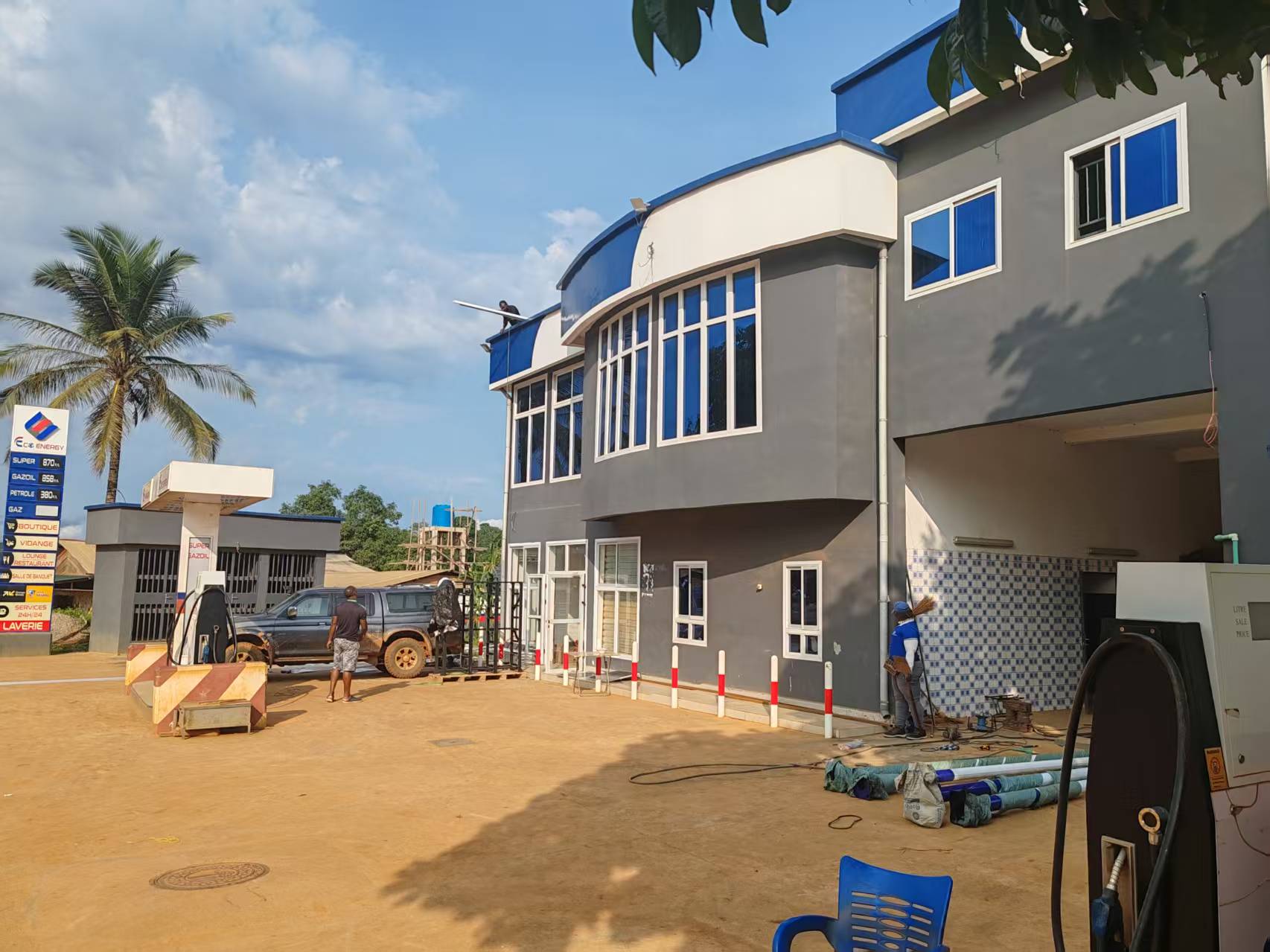
Africa boasts some of the world's richest solar energy resources, with annual sunshine hours generally exceeding 3,000 hours, and even reaching over 3,500 hours in countries near the equator. However, Africa's electrification rate is only about 60%, and in sub-Saharan Africa, it's even below 50%, leaving over 600 million people without access to electricity. This massive power gap creates a vast market for off-grid and small-scale grid-connected solar systems. Over the past decade, the African solar market has experienced a compound annual growth rate exceeding 20%, making it one of the fastest-growing regional solar markets globally.
The core demand in the African market is primarily driven by the pursuit of exceptional value for money. African consumers generally have limited purchasing power and are highly price-sensitive. For example, in Nigeria, Kenya, and Tanzania, the average family's monthly income is around $200-$500, making it difficult to afford expensive European and American brands. Chinese brands, with their high cost-performance ratio, have captured a major market share due to their price advantage. Secondly, durability against extreme environments is crucial. Africa's climate is harsh: temperatures in the Sahara can exceed 50°C, desert regions experience large diurnal temperature variations, and tropical rainforests suffer from high humidity and strong salt spray corrosion. Solar panels need to pass rigorous salt spray and high-temperature aging tests; inverters need wide-temperature operating capabilities; and batteries need to maintain a long lifespan under high-temperature conditions. Thirdly, ease of installation and maintenance is essential. Africa faces a shortage of skilled workers, requiring products that are simple to install and maintain. Pre-integrated systems are more popular than distributed components, and user-friendly wiring and plug-and-play designs significantly lower the installation barrier. Finally, theft and vandalism are critical. Security issues are prevalent in some areas, making outdoor equipment vulnerable to theft or damage. Products need anti-theft designs and robust casings.
Typical application scenarios include: basic off-grid home systems supporting lighting, refrigerators, and mobile phone charging; village collective microgrids with centralized power generation of 20-100kW to supply the entire village; backup power for telecommunications base stations in long-term cooperation with telecommunications operators; solar water pump systems supporting agricultural modernization; and small commercial backup power for supermarkets, clinics, and schools.
II. Southeast Asian Market: Humid Climate and Diverse Policies Determine Product Trends
Southeast Asia, encompassing countries like Thailand, Vietnam, the Philippines, Indonesia, and Malaysia, boasts a population of over 670 million and abundant solar resources. However, its numerous islands and unevenly distributed power grid coverage present challenges. Many of Indonesia's more than 17,000 islands, especially remote ones, still rely on diesel generators; the Philippines experiences power supply instability due to frequent typhoons; and Vietnam and Thailand have seen rapid development of distributed photovoltaic (PV) power in recent years. Many governments have introduced policies such as net metering tariffs, FiT subsidies, and tax breaks to drive rapid market growth.
The core demands of the Southeast Asian market are primarily driven by weather resistance to moisture and salt spray. Southeast Asia's tropical rainforest climate is hot and humid, and coastal areas suffer from severe salt spray corrosion. Products must possess excellent moisture-proof, mildew-proof, and corrosion-proof properties; inverters must have a protection rating of at least IP65, and battery systems require specialized moisture-proof designs. Secondly, typhoon resistance is crucial. The Philippines, Vietnam, and Myanmar are typhoon-prone regions, requiring outdoor installations to have extremely strong wind resistance. Bracket designs should consider high wind pressure ratings, and panel mounting should utilize windproof clamps. Thirdly, net metering and grid connection are paramount. Unlike Africa, where off-grid is prevalent, Southeast Asian urban areas have relatively well-developed power grids, leading more users to choose grid-connected systems to sell excess electricity back to the grid. Hybrid inverter-plus-battery grid-connected energy storage systems are becoming the preferred choice in the high-end market. Adaptability to Southeast Asia's diverse religious and cultural landscape is also important; product design should avoid cultural taboos, and instruction manuals and UI interfaces should support multiple languages. Finally, Southeast Asian consumers value brand and service, placing greater emphasis on brand reputation, after-sales service, and product appearance compared to the African market.
Typical application scenarios include: 5-10kW grid-connected home grid-connected systems with battery-powered net metering for electricity sales; 50kW-5MW industrial rooftop factory projects; off-grid or hybrid island microgrid systems in remote islands of Indonesia and the Philippines; integrated solutions for solar water pumps, aerators, and lighting in aquaculture areas; and disaster backup power supplies in areas prone to disasters such as typhoons and earthquakes.
III. Latin American Market: Policy-Driven and Premiumization Trends Coexist
Latin America, encompassing countries like Mexico, Brazil, Chile, Colombia, and Argentina, boasts annual sunshine hours generally between 2200 and 3000, making it one of the world's richest regions in solar energy resources. Brazil, Mexico, and Chile have already constructed several large-scale ground-mounted power plant projects with a capacity of 1 GW. Meanwhile, distributed photovoltaic (PV) systems are rapidly gaining popularity in Brazil and Mexico, with net metering policies continuously improving. However, the Latin American market exhibits significant differentiation: the high-end market is driven by demand for high quality and intelligent features, while the mid-to-low-end market focuses more on cost-effectiveness and durability.
The core demands of the Latin American market are primarily reflected in stringent certification and grid connection standards. Many Latin American countries adopt European and American standards, with stringent certification requirements. Grid standards vary significantly between countries; for example, Mexico uses 120V/60Hz, Brazil 127V/220V/60Hz, and Argentina 220V/50Hz, necessitating customized products. Secondly, resistance to ultraviolet radiation and extreme temperature differences is crucial. Many regions in Latin America are at high altitudes with strong ultraviolet radiation, and desert areas experience large diurnal temperature variations, requiring products with excellent UV resistance and stable operation over a wide temperature range. Thirdly, there is a trend towards high-end and intelligent products. Some affluent households and commercial and industrial users in Brazil, Chile, and Argentina have high requirements for product quality and intelligence, with products featuring intelligent monitoring, remote operation and maintenance, APP control, and AI energy management functions being more popular. Simultaneously, the Latin American market is highly policy-dependent; policy changes such as Brazil's net metering policy, Mexico's clean energy certificate, and Chile's carbon neutrality target directly impact market demand. Furthermore, some countries have local protection and localization requirements; for example, Brazil has local production requirements, and imported products may face high tariffs or restrictions.
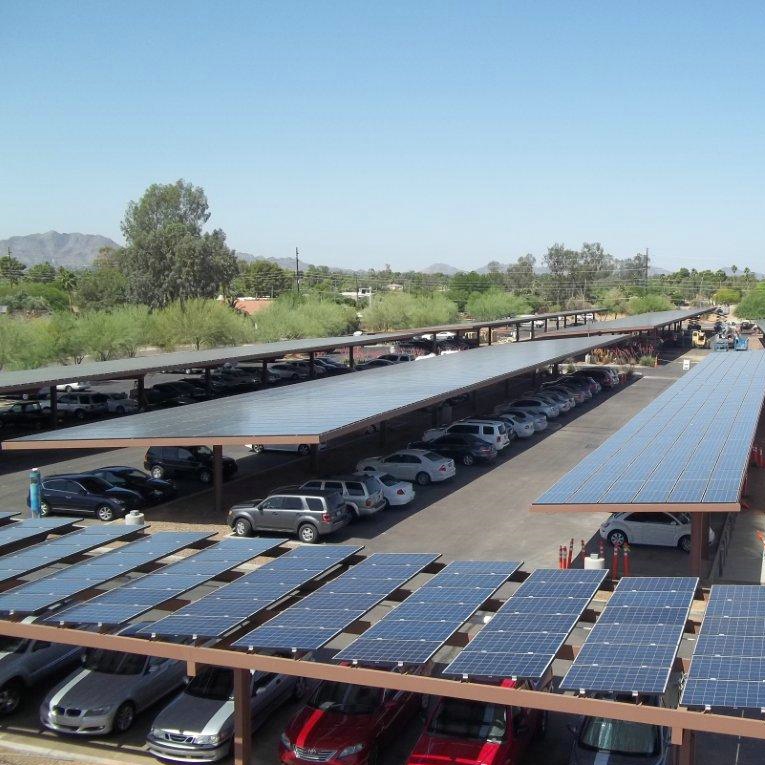
Typical application scenarios include: 10MW-500MW utility-grade large-scale ground power plants; 100kW-5MW rooftop commercial and industrial projects for factories and shopping malls; 10-20kW grid-connected and energy storage integrated high-end residential solutions; agricultural photovoltaic complementary projects combining agricultural greenhouses and irrigation; and off-grid mining area projects for power supply in mining areas such as Chile and Peru.
IV. Comparison, Summary, and Strategic Recommendations of the Three Emerging Markets
The three emerging markets each have their own characteristics: the African market focuses on cost-effectiveness and durability, with products mainly consisting of 1-10kW off-grid systems; the Southeast Asian market emphasizes moisture resistance and typhoon protection, with products mainly consisting of 5-20kW grid-connected systems with energy storage; and the Latin American market pursues high quality and intelligent features, with products developing towards large-scale projects of 10-50kW and above. Africa is extremely price-sensitive, while Southeast Asia and Latin America are moderately price-sensitive. Africa requires only basic certification, Southeast Asia requires regional certification, and Latin America requires strict certification. In terms of climate, Africa faces challenges such as high temperatures and dust storms, Southeast Asia is dominated by humidity and typhoons, and Latin America faces issues of ultraviolet radiation and temperature variations.
To enter the African market, we should introduce an integrated, simplified packaging system to lower the installation barrier, strengthen sand and dust protection and high-temperature resistance designs, develop a local agent network and provide training, consider cooperation with mobile payment platforms such as M-Pesa, and launch financial solutions suitable for installment payments. To enter the Southeast Asian market, we should enhance moisture-proof, salt spray-proof, and typhoon-proof capabilities, introduce net-metering-friendly grid-connected energy storage systems, provide multilingual support, develop in-depth cooperation with large local EPC contractors and distributors, and focus on opportunities in island microgrid projects. To enter the Latin American market, we should introduce a high-efficiency, high-end product portfolio, provide complete certification support, develop a localized service network and intelligent monitoring platform, closely monitor policy changes and adjust market strategies accordingly, and consider localized production cooperation.
Regardless of the emerging market, in-depth market research, localized partnerships, product adaptation, comprehensive certification support, after-sales service networks, flexible business models, and a long-term perspective are all key elements for successful entry. Simply importing products and replicating Western models is no longer sufficient to meet the complex demands of local markets; deep localization, customization, and differentiation are crucial for success in emerging markets.
Conclusion
Africa, Southeast Asia, and Latin America are the core engines of future growth for the global solar energy industry, but each market has its unique demand characteristics and challenges. As solar energy suppliers, we should abandon the "one-size-fits-all" mentality and conduct in-depth research on the climate conditions, consumption habits, policy environment, and channel structure of each target market to develop targeted product and channel strategies. Only by truly understanding and respecting the uniqueness of each market can we achieve long-term success in emerging markets.
Please contact Simon immediately to discuss your project:
• WeChat: TY530643572
• Telephone: +86 137 1166 0041