tianyuansolar@gmail.com

Didisolar Solar System for Rural Electrification and Off Grid Communities

  • News
Posted by SUNNYSKY On Jun 16 2025

Didisolar Solar System for Rural Electrification and Off Grid Communities

Why rural electrification remains important

In many parts of Africa, Southeast Asia and Latin America, millions still do not have access to reliable electricity supply. The power shortage limits education, health care, access to clean water, and economic development.

Solar energy systems for rural electrificationforThese communities provide a sustainable, scalable way to clean energy – no grid connection required.

Didisolar is at the forefront of this mission, providing energy through engineered solar solutions tailored to off-grid environments.

Real-world impact scenarios

Scenario 1: Rural Microgrid Deployment

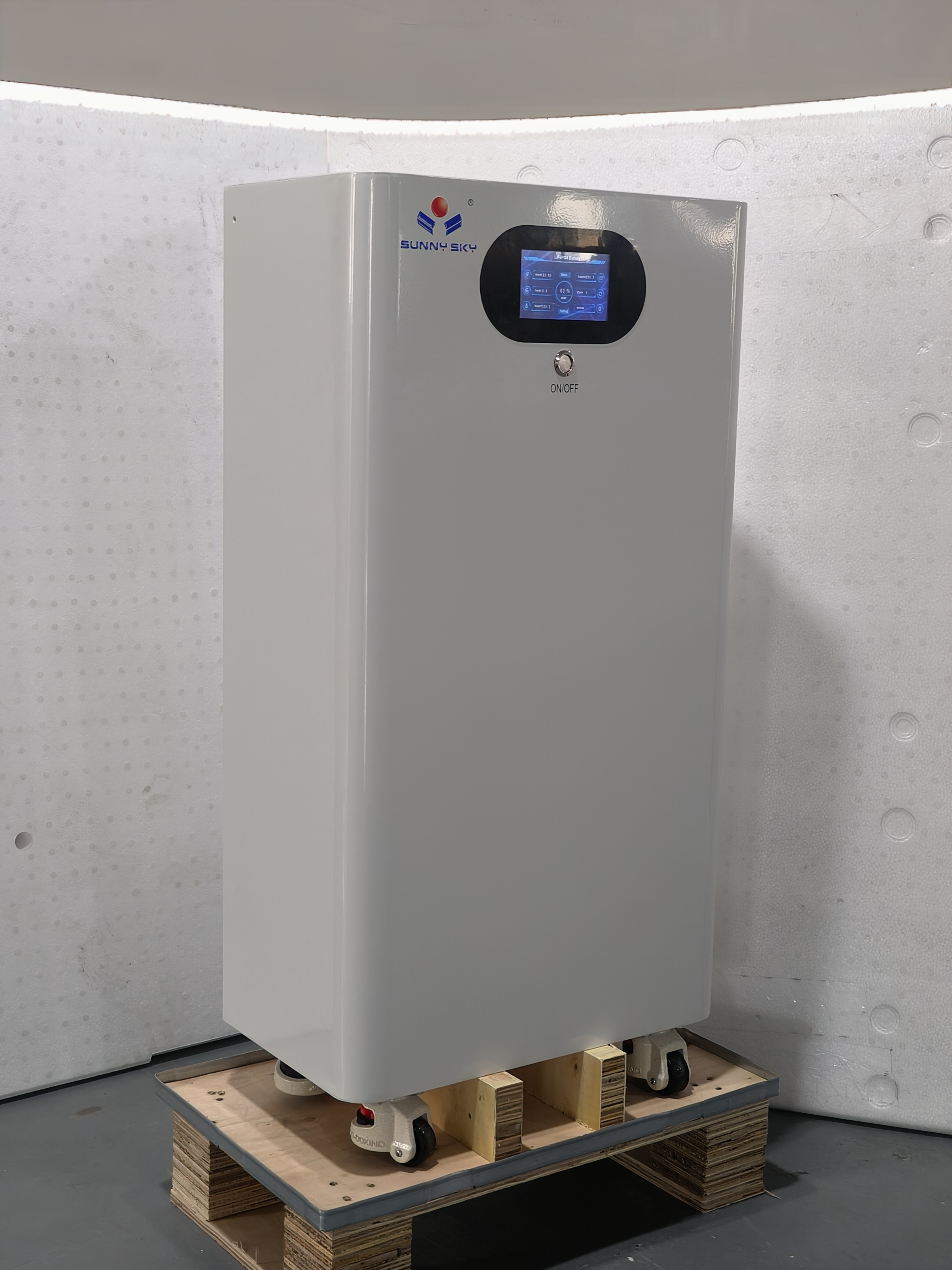
Didisolar offers a 20KW solar system equipped with lithium battery energy storage systems that power homes, water pumps and local medical centers. The system includes a hybrid inverter and dual AC output for intelligent load distribution.

Scene 2: Rural schools without electricity

5KW solar solutions provide lighting, internet access and computer charging for remote schools, allowing students to learn after sunset and teachers to use digital materials.

Scenario 3: Agricultural Cooperative Site

The 10KW independent system powers cold storage, irrigation pumps and office equipment, helping farmers reduce losses and increase productivity.

What does the double solar rural solar system include?

Each Didisolar system is customized according to project size and community needs. Core components include:

  • High-efficiency single crystal solar panels

  • MPPT Charging Controller Achieves Optimal Performance

  • Lithium or lead-acid battery pack with BMS protection

  • Hybrid or off-grid inverter with remote monitoring

  • Weather-resistant mounting structure and cables

  • Optional WiFi or GSM-based monitoring platform

The system ranges from 1KW to 100KW+ and can be modularly expanded over time.

Why Didisolar choose for rural electrification projects

  • After on-site verification,Durability in hot, dusty or humid climates

  • The battery cycles up to 6000 times.Low maintenance requirements

  • Globally certified components(CE, FCC, EMC)

  • Preconfigured plug and play system, can be installed quickly

  • Support NGOs, governments and donor-funded projects

  • In rural areas of Asia, Africa and Latin AmericaGlobal deployment experience

Didisolar not only provides products, but also serves as a long-term partner in ensuring energy reliability and community empowerment.

Project support and engineering services

Didisolar provides comprehensive project support, including:

  • Site assessment and system size

  • Custom layout and load optimization

  • Pre-assembled kits that can be shipped immediately

  • Remote installation guidance or local partner coordination

  • Post-deployment technical support and spare parts acquisition

Our goal is to make clean energy deployments fast, stable and sustainable.

in conclusion

Solar energy systems for rural electrificationMore than justA power supply is the foundation of health, education, security and economic growth. With Didisolar, the community can obtain clean energy through powerful, scalable, and on-site solar solutions.
Contact Didisolar to plan your rural solar project

Recommended Products

Featured Blogs

Tag:

  • news
Share On
Featured Blogs
Why Choose a Solar Supplier with Its Own Factory? In-Depth Analysis

Why Choose a Solar Supplier with Its Own Factory? In-Depth Analysis

1. Product quality control: end-to-end management from raw materials to finished products. 2. Stable supply guarantee: No shortage of stock during peak season, flexible order adjustments. 3. Customization advantage: Flexible customization of appearance, parameters, functions, and packaging. 4. Reliable after-sales service: clear responsibilities, sufficient spare parts, and rapid response. 5. Long-term cooperation value: stable prices, product iteration, and stable relationships. 6. How to choose: A comprehensive evaluation based on scale, management, technology, and qualifications.

Why have lithium iron phosphate batteries become the mainstream energy storage solution? In-depth analysis of their advantages and disadvantages.

Why have lithium iron phosphate batteries become the mainstream energy storage solution? In-depth analysis of their advantages and disadvantages.

1. What is a lithium iron phosphate battery: its structure, operating principle, and material properties? 2. Core advantages: High safety, long cycle life, stable cost, and excellent high-temperature performance. 3. Limitations: Low energy density, poor low-temperature performance, and challenges in achieving consistency. 4. Comparison of three types of batteries: Lithium iron phosphate vs. Ternary lithium vs. Lead-acid battery 5. Application scenarios: residential energy storage, industrial and commercial energy storage, and communication backup power. 6. Avoiding pitfalls when purchasing: Falsely advertised capacity, refurbished old cells, and warranty traps.

Why must off-grid systems be equipped with inverters? Analysis of the energy storage system workflow.

Why must off-grid systems be equipped with inverters? Analysis of the energy storage system workflow.

1. Direct Current (DC) vs. Alternating Current (AC): Why Conversion is Necessary 2. The complete workflow consists of four stages: charging, energy storage, discharging, and switching. 3. MPPT tracking, BMS management, and islanding protection – the core functions of an inverter. 4. How to select a model: power matching, voltage range, battery compatibility, conversion efficiency 5. Overload and short-circuit protection: key guarantees for safe system operation 6. Communication Monitoring: Remotely view system status and perform remote diagnostics.

Real-world user experience with integrated solar water heaters: Is it worth buying? Read this article.

Real-world user experience with integrated solar water heaters: Is it worth buying? Read this article.

1. What is a solar integrated machine: Working principle and three types explained 2. Core Advantages: Simple installation, optimized integration, intelligent management, and unified after-sales service. 3. Limitations and shortcomings: Low maintenance flexibility, high upgrade costs, and relatively high price. 4. Suitable for families: Urban families with high electricity bills, families worried about power outages, and users who value aesthetics. 5. Key considerations for purchasing: brand strength, core specifications, warranty terms, user feedback, and price evaluation. 6. Is it worth buying? Choose the most suitable option based on your needs.

tianyuansolar@gmail.com
+86-13711660041
+8613711660041
WhatsApp :WhatsApp QR Code