What Is an Integrated Solar Inverter and Battery?
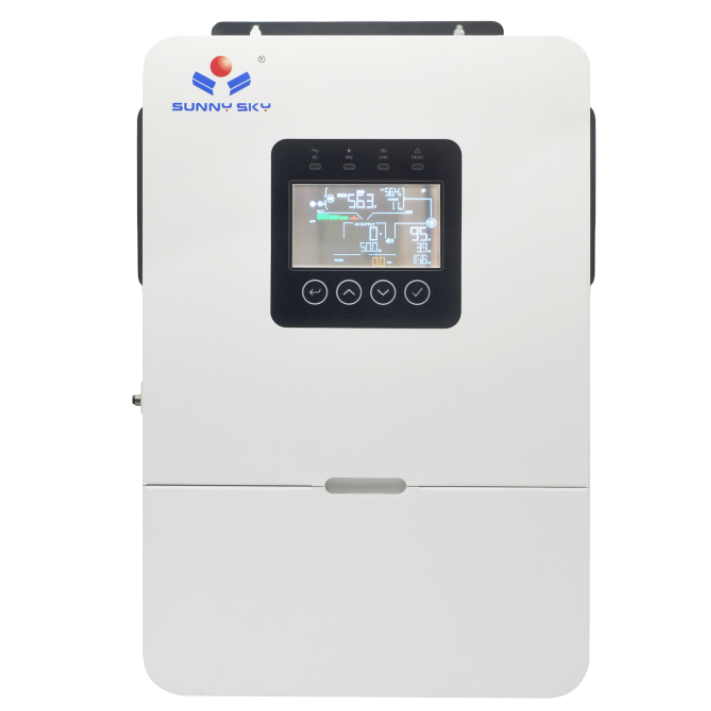
Anintegrated solar inverter and battery systemis a compact, all-in-one solution that merges three essential functions of a solar setup into a single unit:
-
Converts DC from solar panels to AC (via inverter)
-
Stores excess energy in lithium batteries
-
Manages system flow and safety through built-in control logic
By combining these components, Didisolar helps reduce installation complexity, lower compatibility issues, and speed up deployment—especially in regions with limited technical resources.
Why Choose an Integrated System?
Compared to traditional multi-unit setups, Didisolar’s integrated systems offer several key advantages:
-
Faster installation: No separate wiring between inverter and battery
-
Smaller footprint: Saves indoor space, ideal for homes or shops
-
Plug-and-play deployment: Pre-configured systems ready to run
-
Remote monitoring: Real-time performance tracking via GSM or WiFi
-
Lower maintenance: Fewer connections, fewer failure points
These features make integrated systems an excellent choice for rural homes, mobile units, retail spaces, or fast-moving infrastructure projects.
What’s Inside a Didisolar Integrated Unit?
Didisolar’s integrated models are engineered for reliability in real-world conditions. Key components include:
| Component | Specification |
|---|---|
| Inverter | 3–10KW hybrid (on/off-grid), ≥97% efficiency, pure sine wave |
| Battery Storage | 5–30kWh LiFePO₄, smart BMS, 6000+ cycles |
| MPPT Controller | Built-in, up to 99% tracking efficiency |
| Monitoring System | GSM/WiFi compatible with mobile and desktop dashboards |
| Protection Features | Overload, short circuit, arc fault, surge, temp control |
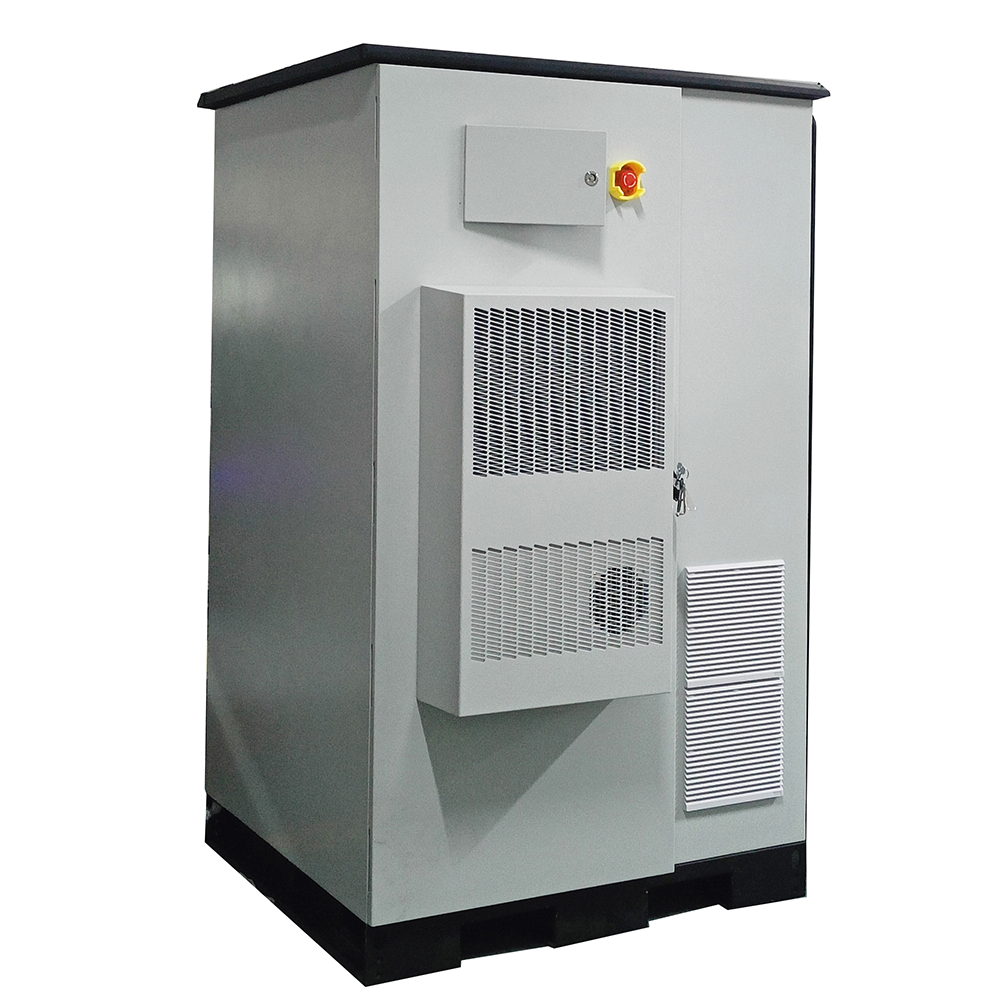
| Enclosure | IP65-rated, wall/floor mount, suitable for indoor/outdoor use |
All units are certified to CE and IEC standards, and come with bilingual user manuals.
Explore integrated systems at Didisolar
How to Select the Right System
Before purchasing, consider the following parameters:
-
Load Size
Calculate total wattage of all appliances to choose the correct inverter size.
Example: For lights, fridge, TV, fan – 3–5KW is typically sufficient. -
Energy Consumption (kWh/day)
This determines the battery size. Didisolar offers flexible storage capacity from 5kWh to 30kWh. -
Solar Panel Compatibility
Ensure solar array output (e.g., 3000W–8000W) matches the MPPT input range. -
Grid Stability
If grid power is unstable or unavailable, go for a system with strong off-grid capability and auto-switching features. -
Installation Space
Didisolar’s systems are compact enough for wall-mounting or corner floor placement, even in small homes.
Typical Use Cases
-
Rural homes with poor grid access
-
Shops and clinics needing backup power
-
Remote locations with diesel cost concerns
-
Quick-deployment energy projects by NGOs or contractors
All Didisolar systems come with pre-sale technical consultation and post-sale support, ensuring smooth integration on-site.
Conclusion
Anintegrated solar inverter and battery systemprovides a complete, efficient, and reliable energy solution—especially for customers in developing regions or areas where installation simplicity and maintenance reduction are priorities.
With over a decade of experience and deployments across Asia, Africa, and Latin America,Didisolardelivers systems that combine advanced design with practical performance.