tianyuansolar@gmail.com

Didisolar Grid Tied Solar Inverter for Efficient and Reliable Energy Conversion

  • News
Posted by SUNNYSKY On Jun 16 2025

Didisolar Grid Tied Solar Inverter for Efficient and Reliable Energy Conversion

What Is a Grid Tied Solar Inverter

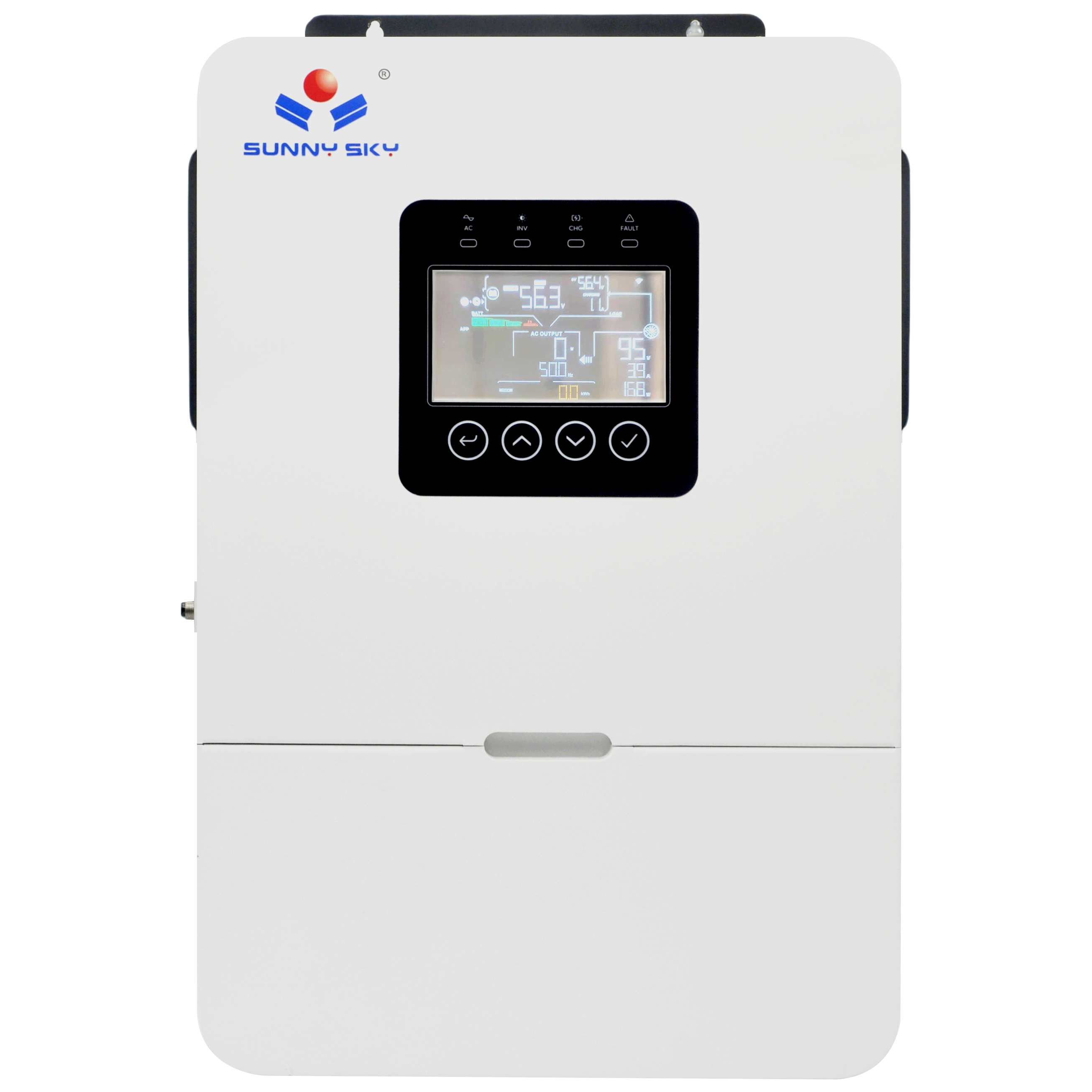
Agrid tied solar inverteris the core component of an on-grid solar power system. It converts DC electricity generated by solar panels into AC electricity compatible with the utility grid. It also synchronizes with the grid’s frequency and voltage to ensure safe and seamless energy export.

Unlike off-grid inverters, grid-tied models are optimized for efficiency and smart energy feedback into the power network.

Why Choose Didisolar for Grid Tied Inverters

Didisolar stands out in the solar industry with its focus on:

  • Technological reliability: All inverters go through strict QC and thermal testing

  • International compliance: CE, FCC, EMC, and grid connection certifications for multiple regions

  • Tailored configurations: From 1KW residential to 100KW+ commercial models

  • Global project support: Applied in telecom towers, schools, farms, and factories around the world, Didisolar offers not only high-quality equipment but also serves as a long-term partner in system performance

Key Features of Didisolar Grid Tied Solar Inverters

Each Didisolar inverter is engineered for maximum uptime and compatibility:

  • High Conversion Efficiency: 97 percent+ peak efficiency for minimal energy loss

  • MPPT Technology: Dual or multi-channel MPPT ensures optimal solar power tracking even under shading

  • Wide PV Input Range: Compatible with various panel configurations and long strings

  • Smart Monitoring: Remote WiFi, RS485, and app-based system diagnostics

  • Fanless or Smart Cooling Options: Silent operation with extended lifespan

Whether for residential rooftops or factory installations, Didisolar inverters are built for consistency and safety.

Compatible with Your System and Standards

Didisolar grid-tied inverters support:

  • AC voltages: 220V, 230V, and 380V

  • Frequencies: 50Hz / 60Hz auto recognition

  • Protection: Over-voltage, over-current, anti-islanding, surge protection

  • Installation: Wall-mounted, IP65 protection for outdoor use

Models are available for single-phase and three-phase applications, with support for export control and net metering compliance.

Product Range and Flexibility

Didisolar offers inverter capacity options including:

  • 1KW to 10KW single-phase (home, office, shop)

  • 15KW to 50KW three-phase (commercial rooftop, agriculture)

  • 100KW+ custom solutions for industrial or institutional use

Each product can be bundled with Didisolar’s solar panels and mounting kits for a complete solar package.

Conclusion

If you're building or upgrading a grid-connected solar energy system, agrid tied solar inverterfromDidisolaroffers the best in performance, protection, and project flexibility. With a global footprint and engineering-grade components, Didisolar inverters are trusted by professionals worldwide.

Explore Didisolar’s inverter series or contact our technical team for a custom system quote.
View Grid Tied Inverters at Didisolar

Recommended Products

Featured Blogs

Tag:

  • news
Share On
Featured Blogs
Why Choose a Solar Supplier with Its Own Factory? In-Depth Analysis

Why Choose a Solar Supplier with Its Own Factory? In-Depth Analysis

1. Product quality control: end-to-end management from raw materials to finished products. 2. Stable supply guarantee: No shortage of stock during peak season, flexible order adjustments. 3. Customization advantage: Flexible customization of appearance, parameters, functions, and packaging. 4. Reliable after-sales service: clear responsibilities, sufficient spare parts, and rapid response. 5. Long-term cooperation value: stable prices, product iteration, and stable relationships. 6. How to choose: A comprehensive evaluation based on scale, management, technology, and qualifications.

Why have lithium iron phosphate batteries become the mainstream energy storage solution? In-depth analysis of their advantages and disadvantages.

Why have lithium iron phosphate batteries become the mainstream energy storage solution? In-depth analysis of their advantages and disadvantages.

1. What is a lithium iron phosphate battery: its structure, operating principle, and material properties? 2. Core advantages: High safety, long cycle life, stable cost, and excellent high-temperature performance. 3. Limitations: Low energy density, poor low-temperature performance, and challenges in achieving consistency. 4. Comparison of three types of batteries: Lithium iron phosphate vs. Ternary lithium vs. Lead-acid battery 5. Application scenarios: residential energy storage, industrial and commercial energy storage, and communication backup power. 6. Avoiding pitfalls when purchasing: Falsely advertised capacity, refurbished old cells, and warranty traps.

Why must off-grid systems be equipped with inverters? Analysis of the energy storage system workflow.

Why must off-grid systems be equipped with inverters? Analysis of the energy storage system workflow.

1. Direct Current (DC) vs. Alternating Current (AC): Why Conversion is Necessary 2. The complete workflow consists of four stages: charging, energy storage, discharging, and switching. 3. MPPT tracking, BMS management, and islanding protection – the core functions of an inverter. 4. How to select a model: power matching, voltage range, battery compatibility, conversion efficiency 5. Overload and short-circuit protection: key guarantees for safe system operation 6. Communication Monitoring: Remotely view system status and perform remote diagnostics.

Real-world user experience with integrated solar water heaters: Is it worth buying? Read this article.

Real-world user experience with integrated solar water heaters: Is it worth buying? Read this article.

1. What is a solar integrated machine: Working principle and three types explained 2. Core Advantages: Simple installation, optimized integration, intelligent management, and unified after-sales service. 3. Limitations and shortcomings: Low maintenance flexibility, high upgrade costs, and relatively high price. 4. Suitable for families: Urban families with high electricity bills, families worried about power outages, and users who value aesthetics. 5. Key considerations for purchasing: brand strength, core specifications, warranty terms, user feedback, and price evaluation. 6. Is it worth buying? Choose the most suitable option based on your needs.

tianyuansolar@gmail.com
+86-13711660041
+8613711660041
WhatsApp :WhatsApp QR Code