
| Quotation | |||
| Item | Picture | Description | Quantity |
| Solar panel | 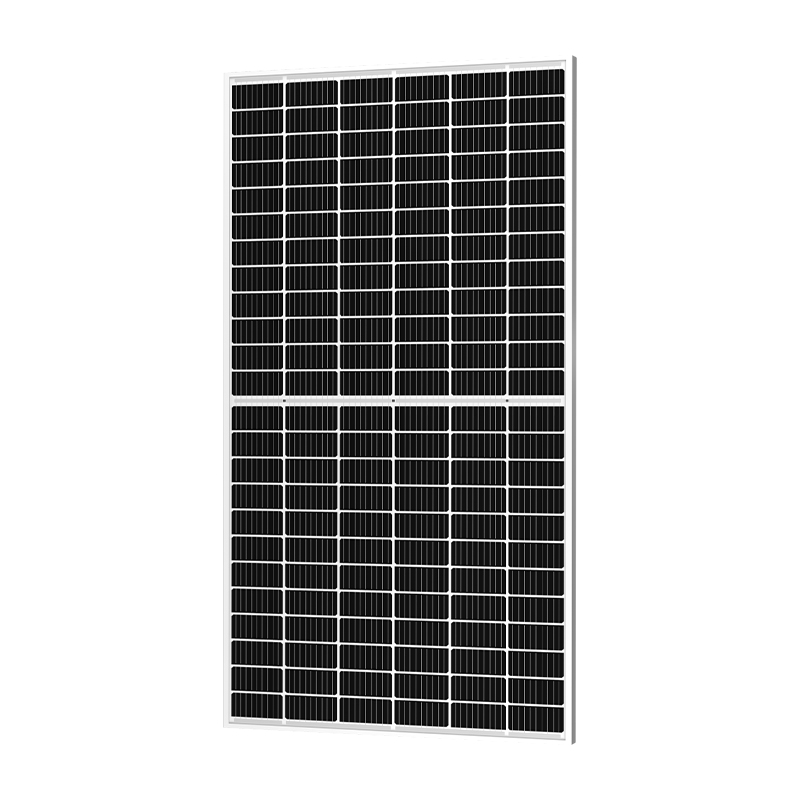 |
Type:monocrystalline Power: 600w open circuitvoltage:51.72v Max power voltage: 43.92v short circuit current:14.31A Max power current:13.44A Conversion efficiency:22.8% size: 2279×1134×30mm weight: 31kg above 25 years long life span |
6 |
| Hybrid Solar Inverter | 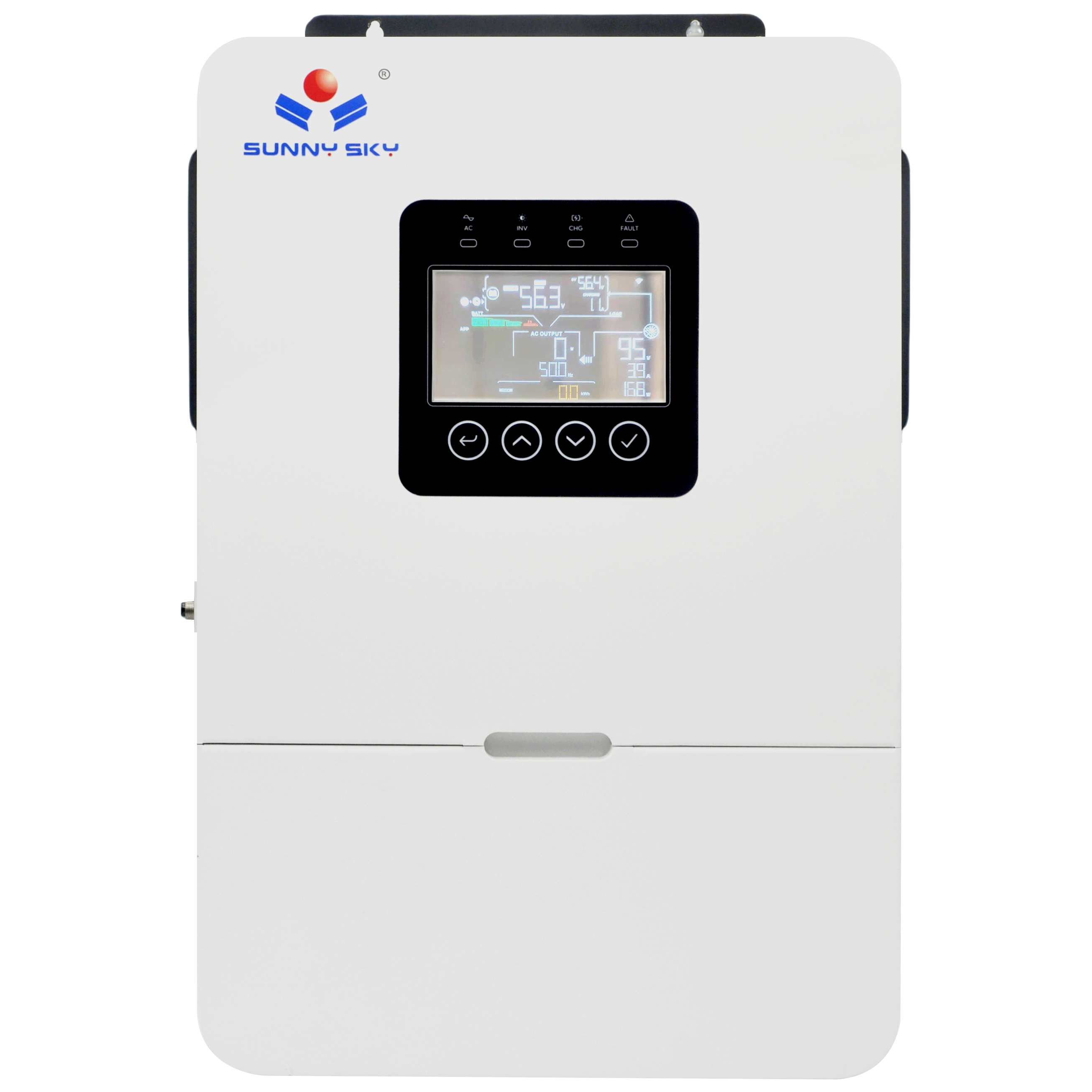 |
MPPT solar charge controller:9KW, Man PV Array Open VoltageVdc 60-450V, Inverter power 6.5KW |
1 |
| Lithium Battery | 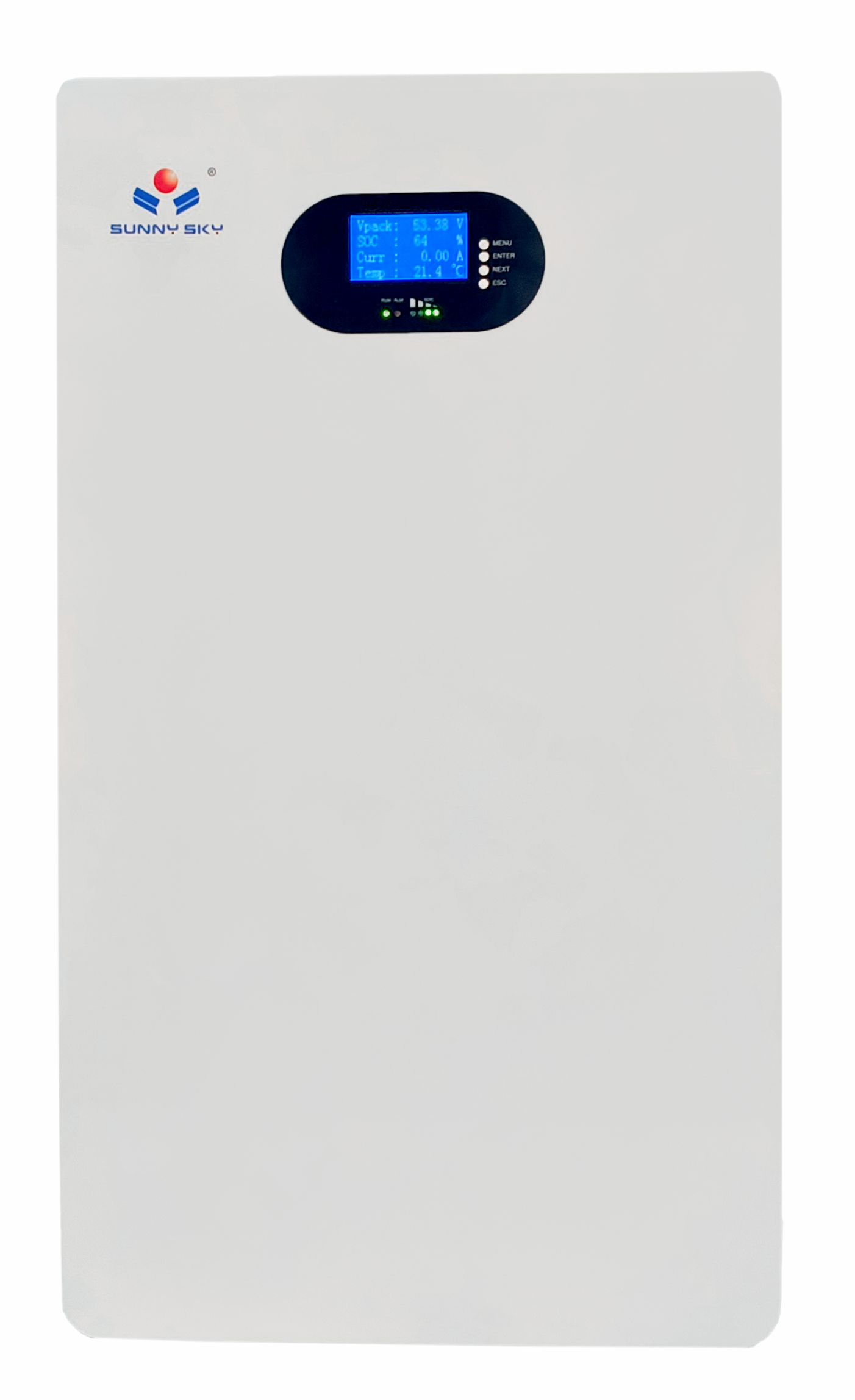 |
51.2V200AH Lifepo4 Power wall 10.24KWH Cycles: >8000 times in total life Gross Weight: 113kg Longer lifespan above 10 years |
1 |
| Mounting System | 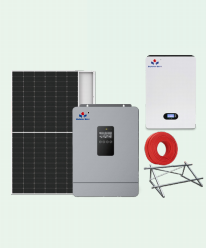 |
Roof Mounting Bracket Longer lifespan above 25years |
1 |
| PV Cables | 4mm² cables suitable for solar system, Pure copper -45℃-120℃ TUV Certified |
100 | |
| MC4 connector | 2 | ||
| Accessories |
Circuit breaker/Surge protector /grounding roddiameter /Ground wire10M |
1 | |
Residential Solar Power System for Reliable Home Energy
A residential solar power system helps homeowners turn unused roof space into practical electricity, reducing grid dependence and improving backup power resilience. For buyers facing high utility bills, unstable supply, or the need to support a remote property, the right system should do more than generate power: it should organize panels, conversion equipment, wiring, and controls into a setup that is easier to install and manage. Guangzhou Tianyuan Solar Equipment CO.,LTD supports that need with solar equipment designed for stable performance and integrated system use.
What This System Includes
The product data shows a complete solar power package built around photovoltaic panels, cabinet-style power electronics, and accessory cables/connectors. That combination matters because many buyers do not want to source every part separately. A complete layout can simplify planning for a home solar power system, especially when the project includes energy conversion or storage functions.
Visible components
The package includes rectangular solar modules with dark cell patterns and aluminum frames, plus two metal enclosure units with LCD display windows. Coiled red and black cables are also visible, along with connector pieces. The exact internal functions of the cabinet units are not confirmed from the image, so they should be treated as inverter/controller or hybrid power units rather than assumed to be a specific model.
Product Overview and Buyer Value
This type of residential photovoltaic system is suited to households that want a more structured solar energy setup. The modular format gives buyers flexibility: panels can be mounted on a roof, while the electrical cabinets can support conversion, monitoring, or energy management functions depending on the final configuration. For many projects, that combination is useful because the solar array alone does not solve the full power problem. Homeowners also need safe wiring, visible status information, and a system architecture that supports day-to-day use.
Key Specifications and Capabilities
Based on the visible product information, the main capabilities are straightforward: photovoltaic generation, power conversion or management through cabinet-style electronics, and integrated cabling for installation. The panels appear to use a crystalline-silicon style layout with a glass front and framed structure, which is common in solar panels for home applications. The cabinets include front displays, helping users or installers check operating status more easily during setup and routine observation.
What is visible and what is not
Visible: rectangular module shape, framed construction, display-equipped electrical enclosures, and installation accessories. Not visible: wattage, battery chemistry, power rating, efficiency, IP protection, certifications, dimensions, and detailed grid-tie or off-grid functionality. Buyers should confirm those points before final ordering.
Materials and Finish Options
The solar modules appear to use glass-fronted surfaces with metallic frames, while the cabinet units use painted metal enclosures in white, gray, and dark gray finishes. Those material choices are practical for a rooftop solar system or indoor equipment placement because they support a professional look and durable handling. If a project requires a specific roof color match or enclosure finish, that should be discussed during customization.
Manufacturing and System Integration
From a manufacturing perspective, this kind of product draws on two linked processes: photovoltaic module assembly and power electronics integration. That means panel lamination, frame assembly, connector attachment, and enclosure build-up must all work together in the finished system. For buyers, the main advantage is compatibility. A well-integrated package reduces assembly confusion and helps the installer move more efficiently from delivery to commissioning.
Typical Application Scenarios
This package fits residential solar energy use, including roof-mounted self-generation, backup power support, and solar-plus-storage projects. It may also suit off-grid residential solar needs, small business self-consumption systems, and remote power supply locations where stable electricity is harder to secure. The roof installation image shows another common scenario: a pitched house roof covered by multiple modules, leaving space around skylights and chimneys for practical placement.
Quality Control and Procurement Considerations
Buyers should evaluate the system by looking beyond appearance. Ask for module rating data, inverter or controller specifications, wiring diagrams, mounting requirements, and any applicable test documentation. Since the image does not show hidden components, do not assume battery inclusion or confirm grid-tie capability without written details. For a home solar installation, correct matching between panels, electronics, and load requirements is more important than any single component feature.
Customization Guidance
Customization should start with the target use case. A homeowner seeking daytime savings may need a different setup than someone planning off-grid residential solar operation. Decide on roof mount or ground mount, display requirements, cable length, enclosure format, and whether the system will prioritize backup power, self-consumption, or storage integration. If the buyer is working on solar power for houses in a warmer climate or a remote area, cable routing and enclosure placement deserve special attention.
Why Buyers Choose a Complete Package
A complete solar power system reduces sourcing risk. Instead of assembling panels, electronics, and connectors from separate suppliers, the buyer gets a more coherent package that is easier to plan and install. For project teams, that can mean fewer compatibility questions and a smoother handoff to local installers. For homeowners, it means a clearer path to dependable household solar energy.
Contact for Project Discussion
If you are planning a residential solar power system or evaluating a home solar installation for a house, roof, cabin, or small commercial site, Guangzhou Tianyuan Solar Equipment CO.,LTD can help you review the right configuration. Share your power goal, installation location, and preferred operating mode, and the team can discuss a suitable solar energy for residences solution based on the project requirements.