Understanding Hybrid Solar Inverters: A Beginner's Guide
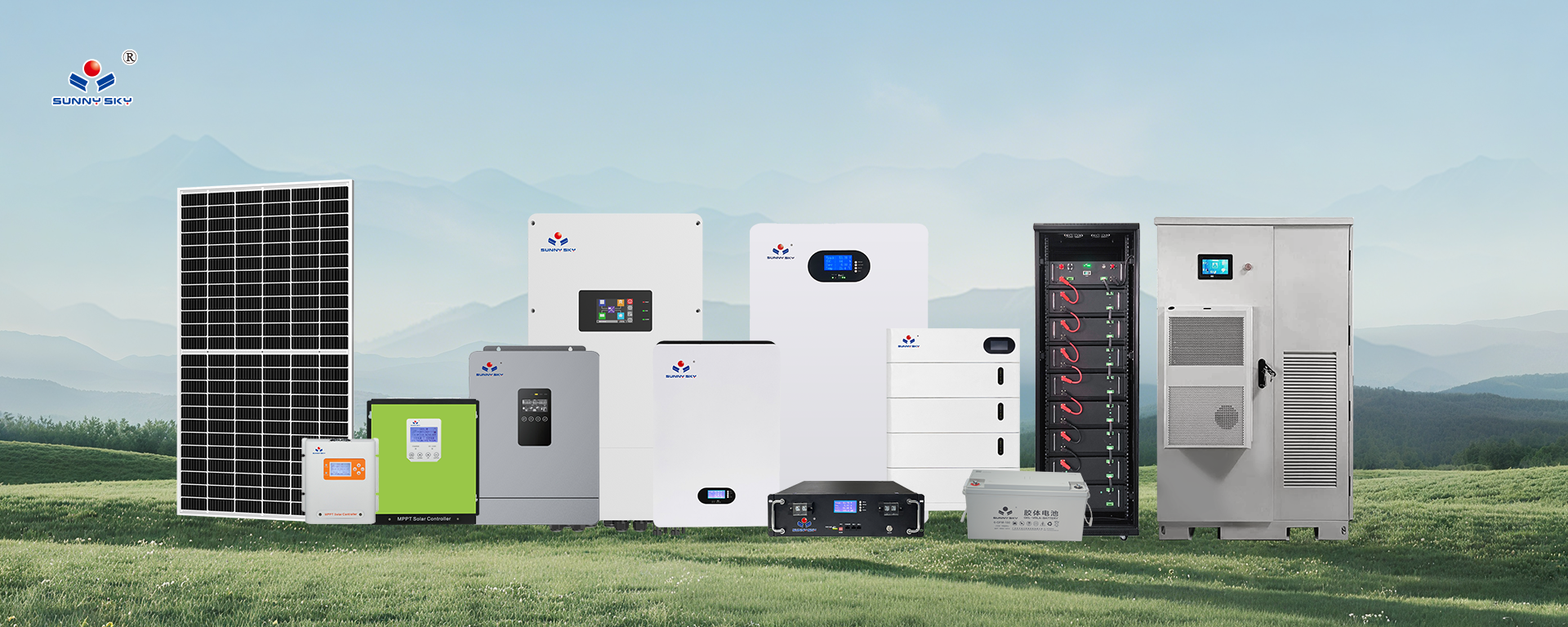
If you're looking to step into the world of renewable energy systems, a hybrid solar inverter is the cornerstone of an efficient setup. This versatile device combines the best of solar inverter technology with grid compatibility, allowing you to harness solar power while staying connected to the utility grid. In this how-to guide, we'll walk you through selecting, installing, and optimizing a hybrid solar inverter to maximize your energy savings and sustainability goals. Whether you're powering a home or a small business, understanding this technology can transform how you generate and store power.
Choosing the Right Hybrid Solar Inverter for Your Needs
Start by assessing your energy requirements to pick the best hybrid inverter. Consider factors like your daily power consumption, available roof space for solar panels, and whether you need off-grid capabilities. For instance, the Sunny Sky 6KW Hybrid Solar Inverter stands out as an excellent choice in the category of the best hybrid inverter due to its robust 6KW capacity, which handles substantial loads efficiently. It integrates seamlessly with solar panel inverters and grid-tied systems, supporting both on-grid and off-grid solar inverter functions. Look for features like MPPT technology, which optimizes solar energy conversion, and compatibility with battery inverters for energy storage. Evaluate related options such as smart solar inverters that offer remote monitoring via apps. Ensure the model you choose, like the Sunny Sky, has an intuitive LCD display for tracking output voltage, battery capacity, and load percentage. This step ensures your renewable energy systems are scalable and future-proof, reducing reliance on non-renewable sources while cutting electricity bills.
Step-by-Step Installation of Your Hybrid Solar Inverter
Installing a hybrid solar inverter requires careful planning to ensure safety and performance. First, consult a certified electrician to evaluate your site's electrical setup and solar panel compatibility. Position the inverter in a cool, dry, shaded area to prevent overheating— the sleek white design of the Sunny Sky 6KW Hybrid Solar Inverter makes it easy to integrate into modern spaces without compromising aesthetics. Connect the solar panels to the inverter's DC input using appropriate wiring, then link the AC output to your home's electrical panel for grid-tied inverter operation. For energy storage inverter setups, attach compatible batteries to store excess solar power, enabling seamless transitions during outages. Program the device using its user-friendly navigation buttons to prioritize solar input over grid power. Test the system thoroughly: monitor the LCD for solar input and battery levels, and verify automatic switching between sources. If you're new to this, professional installation is recommended to comply with local codes and warranties. This process not only powers your home reliably but also enhances the efficiency of your solar inverter technology.
Optimizing and Maintaining Your System for Long-Term Efficiency
Once installed, optimizing your hybrid solar inverter ensures peak performance over time. Regularly clean solar panels to maximize input to your solar panel inverter, and use the smart features of models like smart solar inverters to schedule energy usage during peak sunlight hours. The Sunny Sky 6KW excels here with its advanced power management, automatically regulating charging and discharging to prolong battery life in battery inverter configurations. Monitor usage through the display or connected apps to adjust loads and avoid overloads. For off-grid solar inverter scenarios, ensure your battery bank is sized correctly to handle nighttime or cloudy days. Perform annual maintenance checks: inspect connections, update firmware if available, and test backup modes. Integrating with broader renewable energy systems can further boost savings—pair it with efficient appliances to minimize waste. By following these steps, you'll enjoy uninterrupted power, lower costs, and a reduced carbon footprint. The hybrid solar inverter isn't just equipment; it's a gateway to sustainable living, making the Sunny Sky 6KW a top pick for those embracing green technology.
Advanced Tips for Maximizing Renewable Energy Benefits
To take your setup further, explore expansions like adding more panels or upgrading to larger energy storage inverter capacities. Track your system's ROI by comparing pre- and post-installation bills; many users see payback within 5-7 years. Stay informed on incentives for grid-tied inverter installations, which can offset costs. Troubleshooting common issues, such as low output, often involves checking connections or resetting the device— the Sunny Sky's design simplifies this with clear diagnostics on its LCD. By diligently following this guide, you'll master hybrid solar inverter integration, empowering your transition to clean energy with confidence and efficiency.