

Understanding Hybrid Solar Inverters: The Foundation of Modern Renewable Energy Systems
A hybrid solar inverter is a versatile device that combines the functions of traditional solar inverters with battery storage management, making it essential for anyone looking to optimize their solar power setup. If you're exploring renewable energy systems, integrating a hybrid solar inverter can transform how you generate, store, and use clean energy. This guide will walk you through selecting, installing, and maximizing the benefits of a hybrid solar inverter, with a focus on innovative options like the Sunny Sky 6KW model.
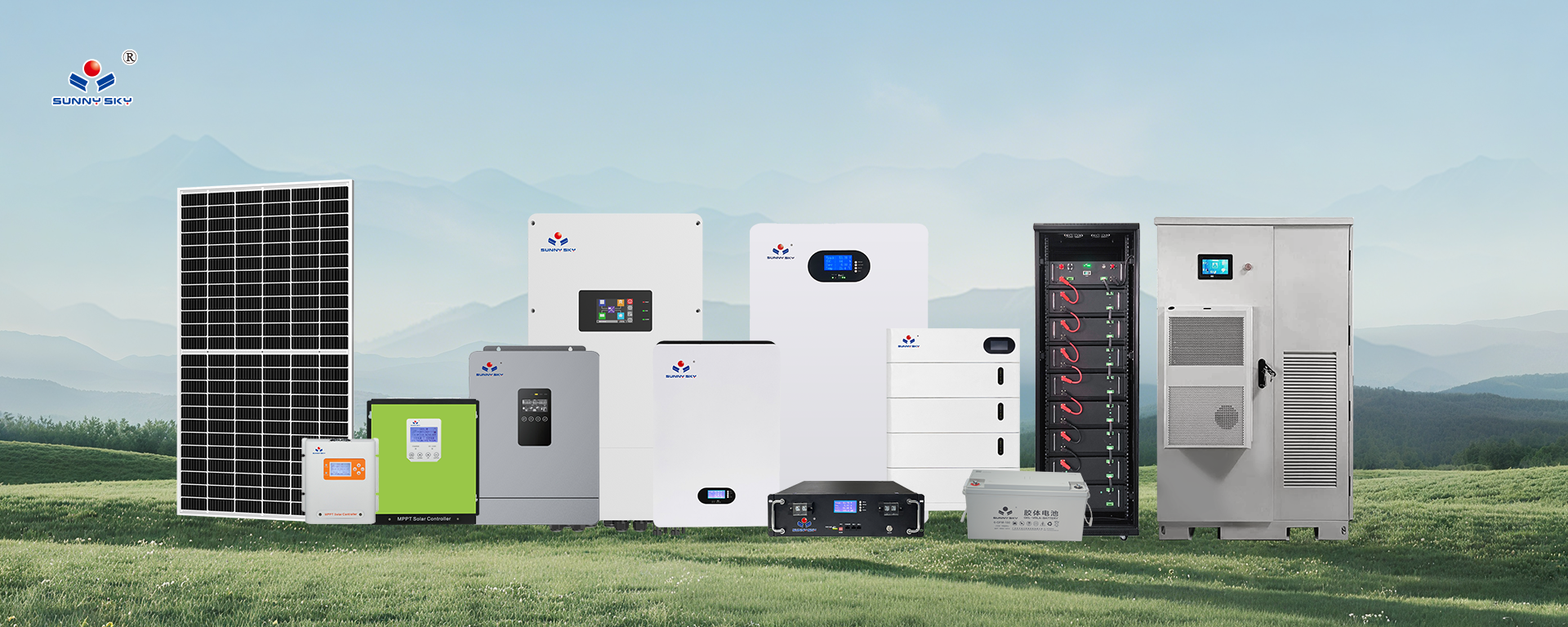
Choosing the Best Hybrid Inverter for Your Needs
To start, assess your energy requirements. A hybrid solar inverter like the Sunny Sky 6KW is ideal for households or small businesses, offering a robust 6KW capacity to handle substantial loads. Look for features in solar inverter technology that support both grid-tied and off-grid operations. The best hybrid inverter should seamlessly switch between solar panels, grid power, and batteries, ensuring uninterrupted supply.
Consider compatibility with your existing setup. For instance, if you're using an off-grid solar inverter configuration, ensure the device supports various battery types through its advanced battery inverter functions. Smart solar inverters, equipped with real-time monitoring via LCD displays and touch controls, provide insights into voltage, current, and energy output. The Sunny Sky 6KW excels here, with its minimalist design and intuitive interface that allows easy navigation for optimizing performance in renewable energy systems.
When evaluating options, prioritize efficiency. A quality solar panel inverter converts DC power from panels to AC efficiently, minimizing losses. Check for built-in safety features like overload protection and temperature alerts. For those interested in energy storage inverter capabilities, the ability to store excess solar energy during peak hours and use it later is crucial, reducing reliance on the grid and lowering bills.
Installing Your Grid-Tied Inverter: Step-by-Step Guide
Installation begins with site preparation. Position your hybrid solar inverter in a well-ventilated area, away from direct sunlight to prevent overheating. Connect it to your solar panels using appropriate wiring; the Sunny Sky 6KW's hybrid technology handles both solar and grid inputs effortlessly, supporting grid-tied inverter setups for net metering benefits.
Next, integrate the battery system. As a battery inverter, it manages charging and discharging intelligently, compatible with lithium or lead-acid batteries. Use the device's app for remote monitoring, a feature in smart solar inverters that lets you track performance via cloud-based analytics. Secure all connections and test the system under load to verify seamless transitions.
Professional installation is recommended for safety and warranty compliance. Once set up, configure settings for self-consumption priority during sunny days, leveraging the off-grid solar inverter mode for backup power during outages. This setup not only enhances energy independence but also integrates smoothly into broader renewable energy systems.
Maximizing Efficiency with Solar Inverter Technology
To get the most from your hybrid solar inverter, regularly monitor and maintain the system. Clean solar panels to ensure optimal input to the solar panel inverter, and update firmware for the latest solar inverter technology advancements. The Sunny Sky 6KW's adaptive algorithms optimize power conversion, making it one of the best hybrid inverters for efficiency.
Explore advanced features like energy storage inverter integration for peak shaving, where stored battery power offsets high grid tariffs. In smart solar inverters, use data analytics to adjust usage patterns, potentially saving up to 50% on electricity costs. For off-grid solar inverter users, pair it with sufficient battery capacity to cover nightly needs.
Troubleshooting common issues involves checking connections and display alerts. If output drops, inspect for shading on panels affecting the grid-tied inverter function. With proper care, your hybrid solar inverter will deliver reliable performance, supporting sustainable living. Embrace this technology to contribute to a greener future while enjoying cost savings and energy security.
In summary, a well-chosen hybrid solar inverter is pivotal for effective renewable energy systems. By following these steps, you'll harness the full potential of devices like the Sunny Sky 6KW, blending innovation with practicality for long-term benefits.




