What buyers usually mean by a solar storage inverter system
A solar storage inverter system is the part of a solar power setup that lets energy be used later, not only when the sun is shining. For engineers and sourcing teams, that usually means a combination of inverter, batteries, protection devices, and control logic packaged as a battery energy storage system or integrated cabinet. In practice, the right configuration may look very different from one project to the next: a solar inverter with battery storage for a home solar storage system is not built the same way as a commercial solar inverter package for factory peak shaving.
That distinction matters. A buyer is not simply choosing a box that stores power. They are choosing how the site will ride through outages, shift peak loads, support a microgrid, or buffer photovoltaic output. If the system is undersized or poorly integrated, the penalties show up fast: nuisance trips, weak backup performance, wasted solar generation, or maintenance headaches that only appear after commissioning.
Why the cabinet matters as much as the inverter
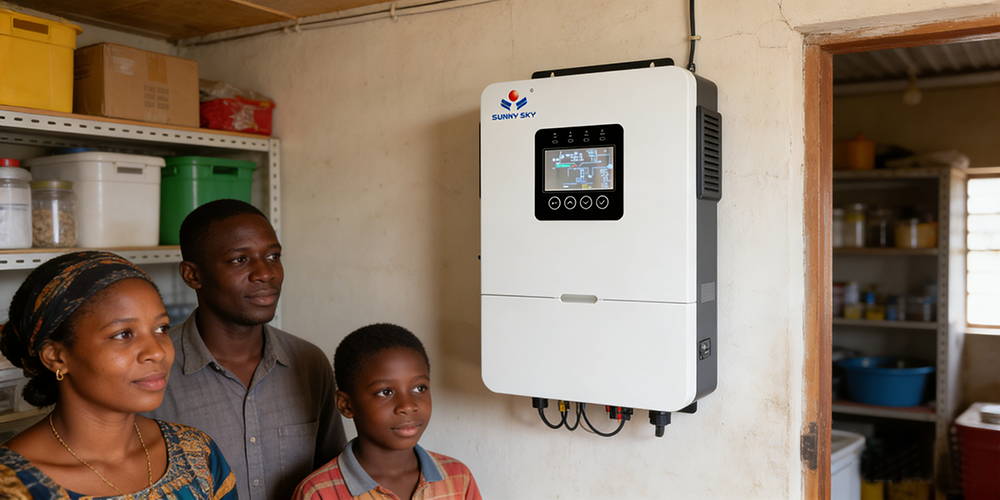
The visible product information here points to an industrial energy storage cabinet, which is the enclosure and integration layer for larger storage projects. The cabinet shown has the kinds of features you expect in a serious installation: a floor-standing metal enclosure, double front doors, a lockable access design, an emergency stop button, warning signage, indicator lights, and ventilation openings. Those are not cosmetic details. They tell you the system is meant to be operated, isolated, and maintained in an industrial environment.
For buyers evaluating a photovoltaic inverter system or a solar power storage inverter, the enclosure is often where practical problems are solved or created. Is the cabinet easy to service? Does it protect the internal components? Is there enough airflow management for the site conditions? Can operators reach the controls without opening up the wrong compartment? These are the questions that matter on the shop floor.
Quick reference: how the common system types differ
Hybrid solar inverter
A hybrid solar inverter is typically used where solar generation, battery storage, and grid interaction all need to be coordinated. It suits projects that want flexibility: self-consumption, backup, and load shifting.
Off grid solar inverter
An off grid solar inverter is aimed at sites without a stable utility connection. Here, battery sizing, load discipline, and system reliability become the main design constraints. It is less forgiving than grid-tied work.
Commercial and industrial storage
A commercial solar inverter or a battery energy storage system for industrial use often emphasizes control, safety, and maintainability. The cabinet may be the centerpiece, especially when the project is meant for peak shaving, renewable buffering, or backup power support.
What to check before you buy
Buyers should start with the application, not the catalog. Ask what the system must do during normal operation and during a fault. A residential energy storage inverter for evening backup has a different duty cycle from a factory system that cycles daily and supports critical loads. Likewise, a hybrid solar inverter may be technically suitable, but only if the project’s voltage, control strategy, and site layout are aligned.
Then review the visible and non-visible parts separately. Visible items include enclosure structure, access doors, locking method, warning labels, emergency shutdown provisions, and service access. Non-visible items include battery chemistry, kWh capacity, inverter topology, cooling method, fire protection, and certifications. If those are not supplied, do not assume them. That sounds obvious, yet it is where many purchasing errors begin.
Common mistakes in sourcing storage systems
The most common mistake is treating a solar storage inverter system like a standard electrical cabinet purchase. It is not. The system must be matched to load profile, solar array behavior, installation space, and operator skill level. Another common error is overfocusing on headline power and ignoring integration quality. A big rating is not helpful if controls are awkward or thermal management is marginal.
Another practical warning: if the project is meant for indoor or semi-outdoor industrial use, ask specifically how the cabinet handles ventilation, service access, and environmental exposure. The enclosure shown appears sealed and industrial, but the exact protection level is not provided, so it should be confirmed directly with the supplier.
Practical buyer advice for engineers and sourcing teams
If you are comparing a solar inverter with battery storage against a more complete battery energy storage system, build a simple decision sheet. Separate electrical requirements, mechanical constraints, safety provisions, and maintenance expectations. That helps procurement avoid mixing a product description with a real engineering fit.
Guangzhou Tianyuan Solar Equipment CO.,LTD, operating under SUNNYSKY, says it focuses on reliable, innovative green energy and has independent R&D and patented technologies. The company also notes experience across more than 50 countries. Those are useful signals when you are looking for a supplier that can support solar equipment and storage integration, though project-specific verification is still essential. A factory visit can also be worthwhile, especially when cabinet fabrication and system integration are part of the scope.
FAQ
Is a solar storage inverter system the same as a battery energy storage system?
Not exactly. The inverter is one part of the overall system. A battery energy storage system usually refers to the full package, including batteries, controls, protection, and enclosure.
Can the same system work for residential and commercial sites?
Usually not without changes. A home solar storage system and a commercial solar inverter project have different load patterns, safety expectations, and maintenance needs.
What should I confirm first with a supplier?
Confirm the application, system architecture, enclosure details, cooling approach, safety functions, and what is actually included in the delivery. That one step prevents a lot of expensive confusion later.
Is the cabinet image enough to specify the internal system?
No. The image shows an industrial enclosure with safety and control features, but it does not reveal battery chemistry, inverter type, capacity, or rating. Those must be documented separately before purchase.
If you are preparing a solar power storage inverter project, the safest next step is to request a full system breakdown and match it against the site’s operating profile. That is where a good purchase begins.