Case Study: Empowering a Suburban Home with the 5KW Solar Split-Phase Inverter from SUNNYSKY

In the bustling suburbs of Atlanta, the Johnson family faced rising electricity bills and frequent power outages due to an unreliable grid. Seeking a sustainable solution, they turned to advanced solar technology, specifically a Split-Phase Solar Inverter, to transform their home into an energy-efficient haven. As a pioneer in solar innovations, Guangzhou Tianyuan Solar Equipment CO.,LTD, under the SUNNYSKY brand, provided the perfect fit with their 5KW Solar Split-Phase Inverter. This case study explores how this device revolutionized their energy setup, highlighting its integration into residential solar inverters and off-grid solar solutions.
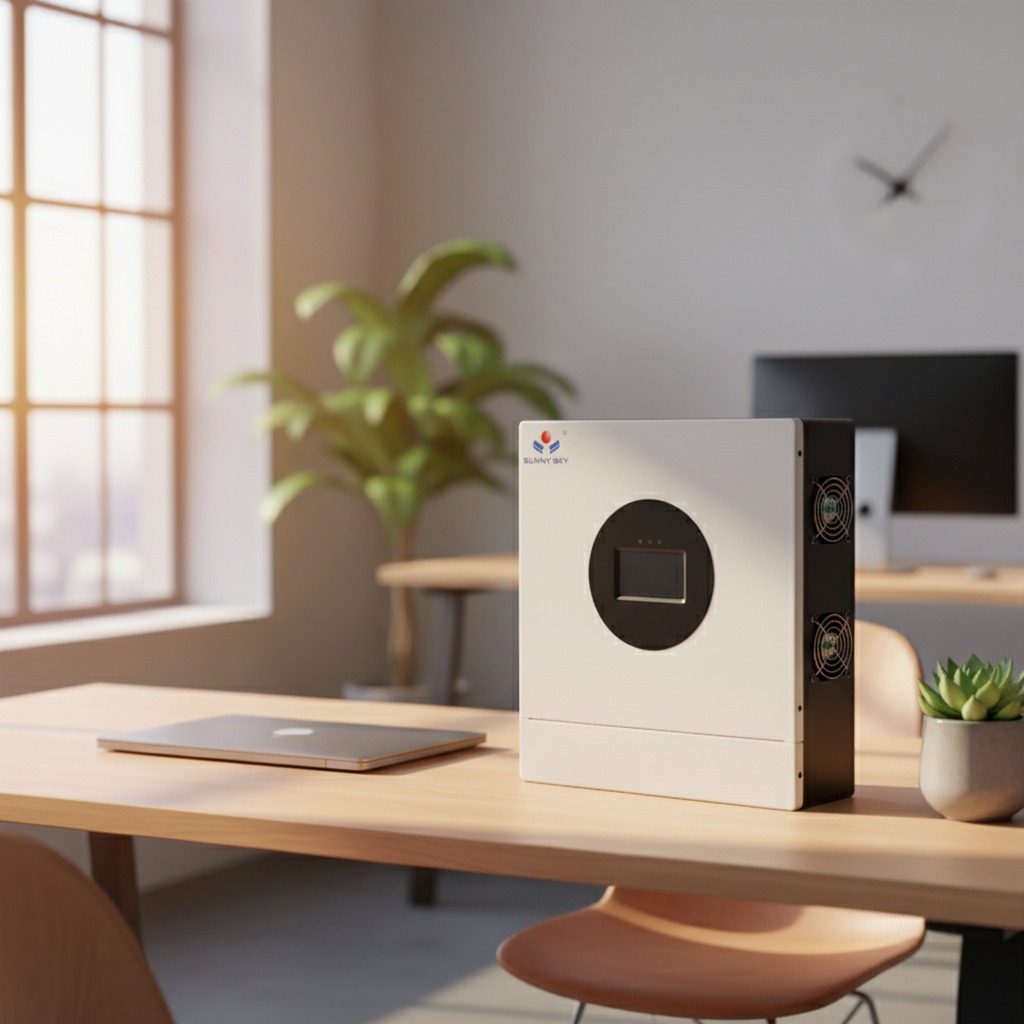
The Johnsons' journey began with an assessment of their power needs, focusing on Solar Inverter Types suitable for their 2,500-square-foot home. Traditional single-phase systems fell short for their split-phase power systems, which required dual 120V outputs for standard appliances and 240V for high-demand items like their air conditioner and electric dryer. SUNNYSKY's Split-Phase Solar Inverter stood out as the Best Split-Phase Inverter, operating at 48V with patented technology that ensures seamless conversion of DC solar power to AC electricity. Its compact, sleek white design with a circular display not only blended aesthetically into their garage installation but also offered real-time monitoring via an intuitive interface. This residential solar inverters choice addressed their need for a Dual Voltage Solar Inverter, providing stable power without the complexities of grid-tied fluctuations.
Implementation and Efficiency Gains in Split-Phase Power Systems
Installation was straightforward, following SUNNYSKY's comprehensive Inverter Installation Guide, which emphasized safety and optimal placement for maximum sunlight exposure. The process took just two days, with professional installers connecting the inverter to their existing 10kW solar panel array. The Split-Phase Inverter Efficiency impressed from day one, boasting over 95% conversion rates that minimized energy loss—a stark improvement over their previous setup. In off-grid solar solutions mode during outages, the system powered essential appliances effortlessly, drawing from battery backups charged by solar panels. Mr. Johnson noted, "The high efficiency inverters like this one from SUNNYSKY have cut our monthly bills by 70%, and the stable output in split-phase applications means no more voltage drops during peak usage."
SUNNYSKY's commitment to innovation shone through in the inverter's advanced features, including built-in MPPT charge controllers that optimized energy harvest even on cloudy days. As a company with independent R&D reaching over 50 countries, Guangzhou Tianyuan Solar Equipment CO.,LTD ensures products like this deliver reliability and performance. The Johnsons appreciated the eco-friendly aspect, reducing their carbon footprint while enjoying uninterrupted power. This case underscores how High Efficiency Inverters can bridge the gap between renewable energy aspirations and practical home use.
Long-Term Impact and Recommendations for Similar Setups
Six months post-installation, the Johnsons reported zero system failures and a return on investment projected within four years, thanks to the robust design and SUNNYSKY's ongoing support. Their experience with the Split-Phase Solar Inverter serves as a blueprint for homeowners exploring Residential Solar Inverters or Off-Grid Solar Solutions. For those considering a Dual Voltage Solar Inverter, SUNNYSKY recommends starting with a site evaluation to match panel capacity with inverter specs. Located just 20 minutes from Guangzhou Baiyun International Airport, the company invites global clients to visit their facility—complete with complimentary pickup—to witness the innovation firsthand. SUNNYSKY's dedication to "delivering reliable, innovative green energy" has not only empowered the Johnsons but also paves the way for countless families to embrace sustainable living. This case study demonstrates the transformative power of well-engineered solar technology in everyday scenarios.