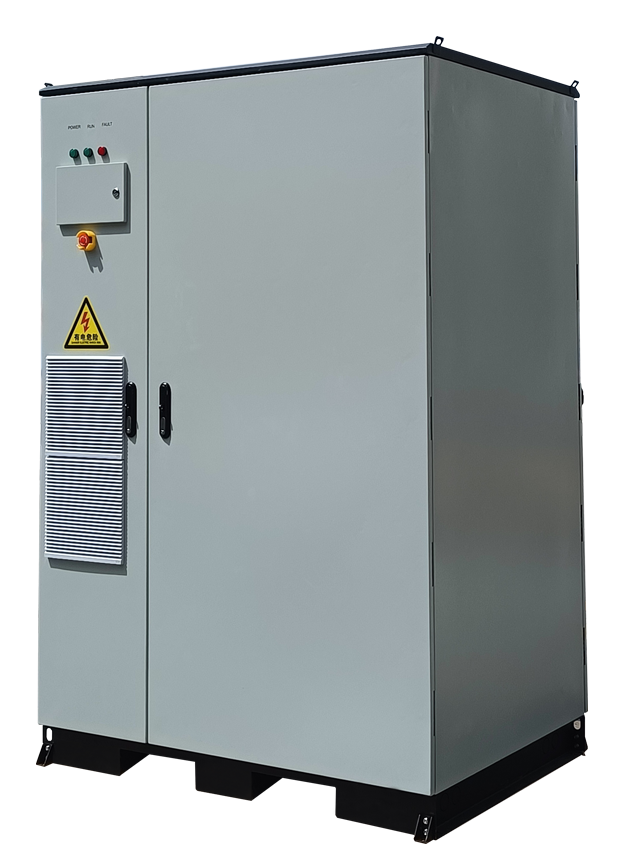
MPPT solar charge controller technology is revolutionizing the way we harness solar energy, offering unparalleled efficiency in converting sunlight into usable power. This advanced system ensures that solar panels operate at their peak performance by continuously adjusting to the optimal voltage and current, thereby maximizing energy output even under varying weather conditions.

Exploring Solar Charge Controller Types
Solar charge controller types play a crucial role in photovoltaic systems, which are essential for converting solar energy into electricity. Among these, MPPT controllers stand out due to their ability to track the maximum power point, unlike simpler PWM controllers that merely switch on and off. This makes MPPT ideal for renewable energy solutions, where efficiency is key. For instance, in solar battery charging scenarios, an MPPT controller can boost charging rates by up to 30% compared to traditional methods, ensuring batteries are charged quickly and safely. Photovoltaic systems equipped with MPPT technology can handle fluctuations in sunlight, making them perfect for off-grid solar systems where reliability is paramount.
The Science of Maximum Power Point Tracking
Maximum power point tracking is a sophisticated algorithm embedded in MPPT solar charge controllers that monitors the voltage and current of solar panels in real-time. This process involves solar energy conversion techniques that adjust the electrical load to extract the highest possible power, regardless of environmental factors like shading or temperature changes. Battery management systems benefit greatly from this, as it prevents overcharging and extends battery life. In comparison, MPPT vs PWM controllers highlights the superiority of MPPT in renewable energy solutions, with MPPT offering up to 99% efficiency while PWM typically lags at around 70-80%. For users setting up off-grid solar systems, this means more consistent power delivery and reduced energy waste, making MPPT an essential component for sustainable living.
Benefits and Applications in Renewable Energy
Renewable energy solutions like off-grid solar systems rely heavily on effective battery management systems to store and distribute power efficiently. An MPPT solar charge controller enhances these systems by providing precise control over charging cycles, which safeguards against common issues such as overcurrent or short circuits. This technology is particularly advantageous in photovoltaic systems where solar battery charging needs to be optimized for different setups, from residential homes to commercial installations. When comparing MPPT vs PWM controllers, the former's ability to adapt to various solar energy conversion rates ensures better performance in diverse conditions. Furthermore, the controller's support for parallel connections allows for scalable designs, enabling users to expand their systems as energy demands grow. Overall, integrating an MPPT solar charge controller into your setup not only improves efficiency but also contributes to long-term cost savings by maximizing the lifespan of your solar components.
Practical Considerations for Implementation
In practical terms, implementing an MPPT solar charge controller involves selecting the right model based on your specific needs, such as current ratings from 40A to 120A. This versatility makes it suitable for a wide range of applications, including remote cabins or urban backup systems. Solar charge controller types like MPPT are designed with user-friendly interfaces, featuring LED and LCD displays that provide real-time data on system performance. This allows for fine-tuning of battery management systems to match your renewable energy solutions goals. By focusing on solar energy conversion efficiency, users can achieve greater autonomy in their power usage, reducing dependence on traditional grids and promoting environmental sustainability. As the demand for off-grid solar systems continues to rise, understanding these technical aspects ensures that your investment in MPPT technology delivers optimal returns.