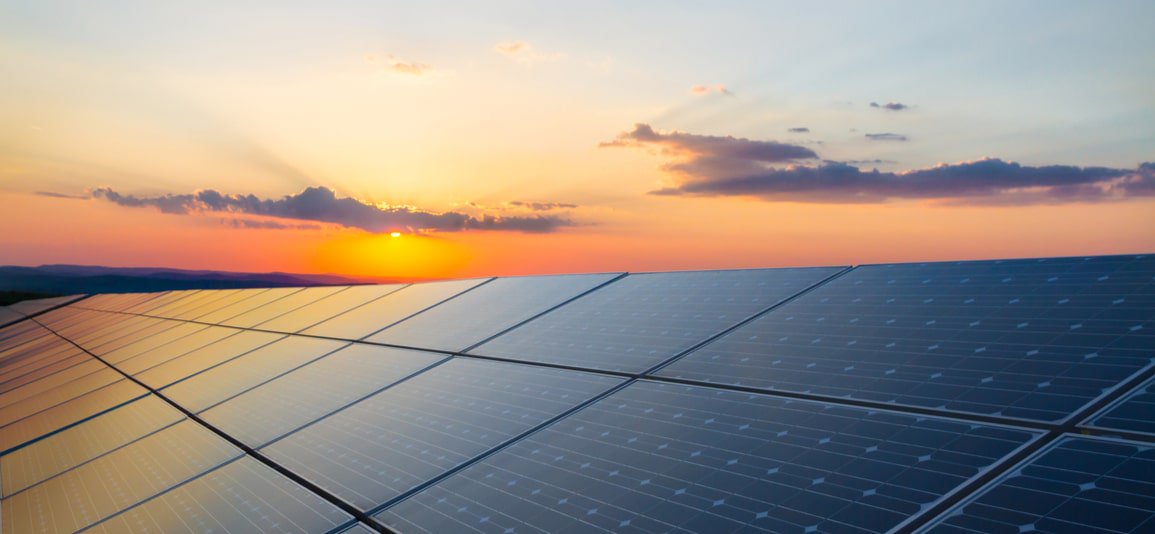
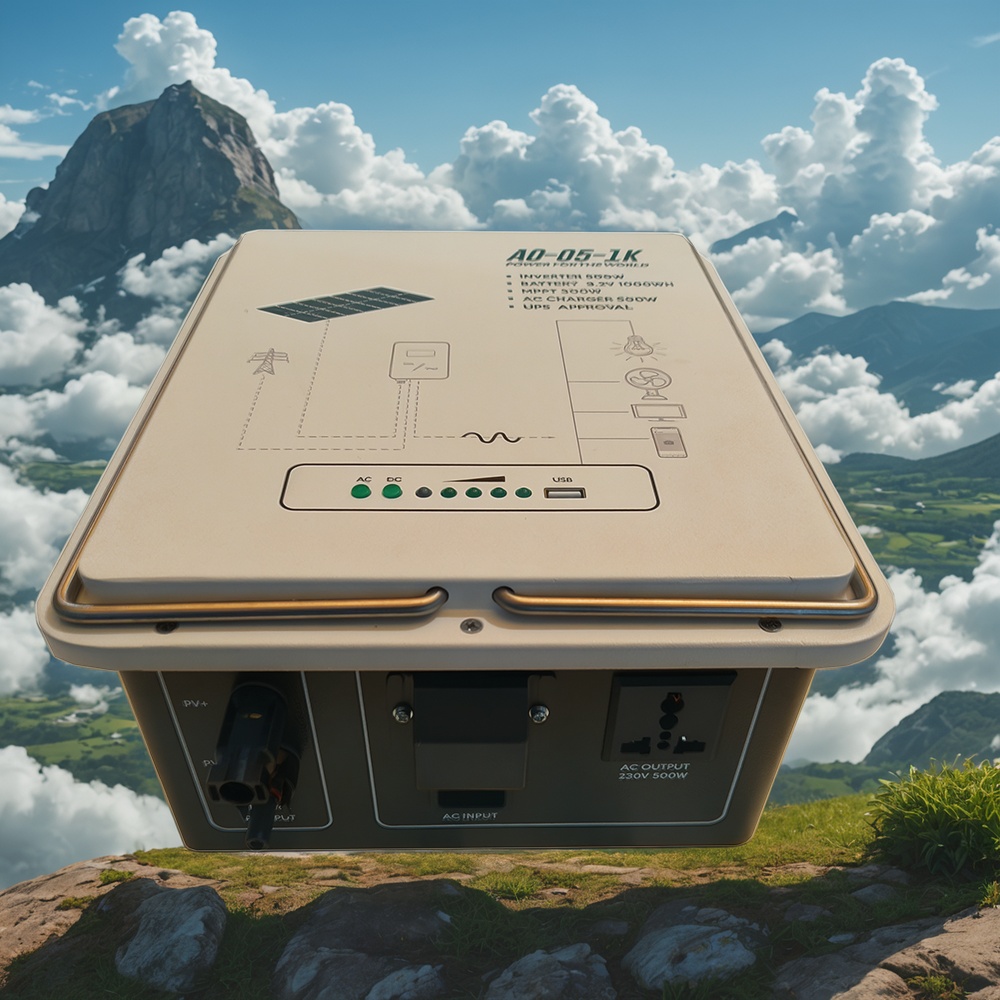
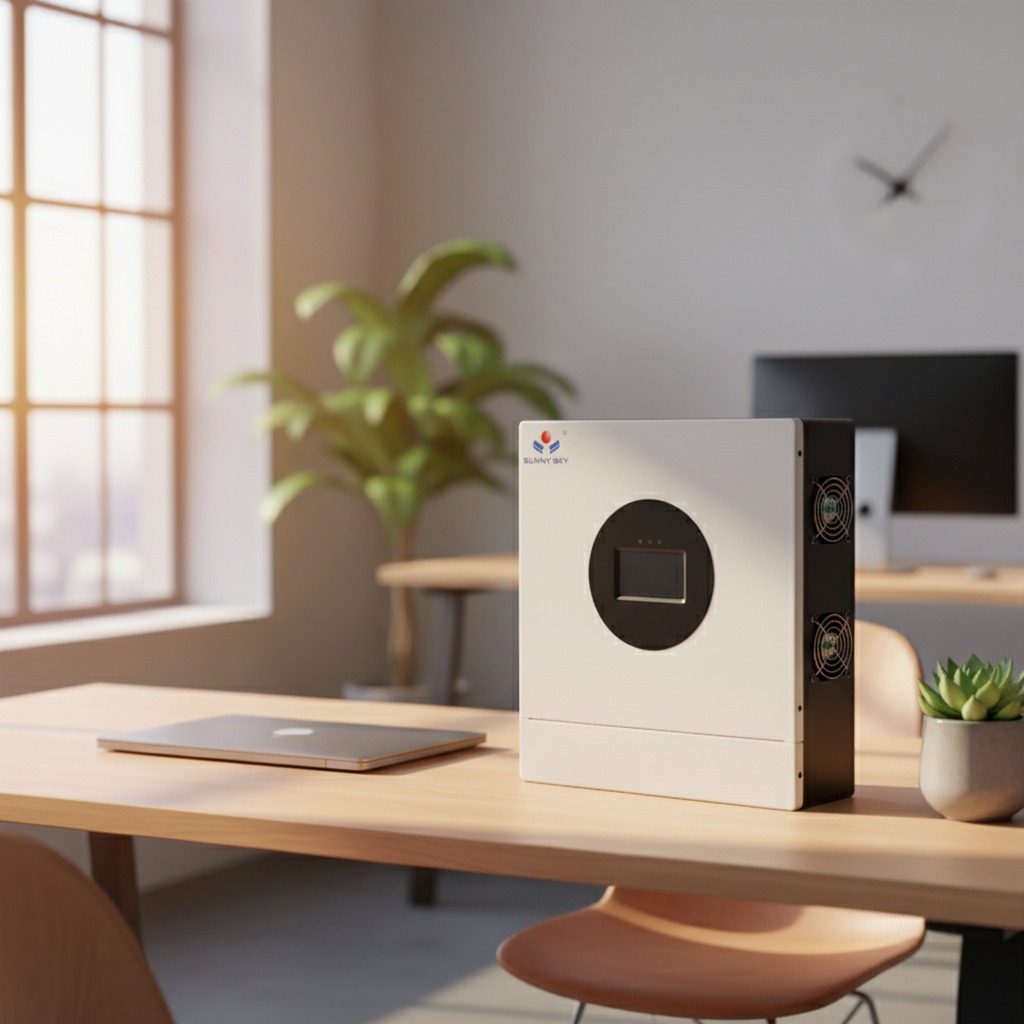
Are you tired of unpredictable electricity bills and the vulnerability of being completely dependent on the grid? Many homeowners and business owners are seeking greater control over their energy consumption, aiming for both cost savings and energy security. The solution to these modern energy challenges lies in a powerful piece of technology: the hybrid inverter. This single device serves as the intelligent heart of a modern solar energy system, providing a pathway to energy independence and a more sustainable future.
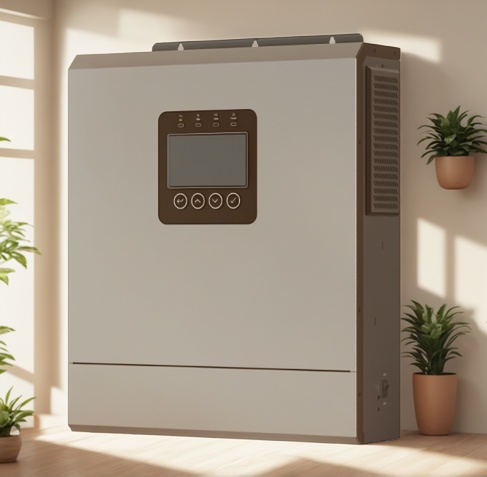
A hybrid inverter is a sophisticated device that combines the functions of a traditional solar inverter and a battery inverter into one streamlined unit. Its primary job is to convert the direct current (DC) electricity generated by your solar panels into alternating current (AC) electricity that your home can use. However, its capabilities go far beyond simple conversion. This advanced hybrid inverter technology intelligently manages the flow of energy between your solar panels, your battery storage system, and the utility grid. It decides in real-time whether to use the solar energy immediately, store it in the batteries for later, or draw power from the grid, always optimizing for efficiency and cost-effectiveness. This makes a solar hybrid inverter an essential component for anyone serious about maximizing their solar investment.
The biggest problems for modern energy consumers are rising costs and grid instability. Hybrid inverter systems directly address both issues. By storing excess solar energy generated during the day, you can use it during peak evening hours when electricity rates are often highest, significantly reducing your reliance on expensive grid power. Furthermore, in the event of a power outage, the system can automatically switch to battery power, keeping your essential appliances running without interruption. This provides the kind of peace of mind often associated with a completely off grid hybrid inverter setup, but with the flexibility of remaining connected to the grid. These systems integrate power generation, storage, and management into a cohesive, automated solution.
Choosing the right inverter is crucial for the performance and longevity of your solar installation. To find the best hybrid inverter for your needs, you should consider several key factors. Start by reading hybrid inverter reviews to learn from the experiences of other users and identify reliable models. Look for high efficiency ratings, as this ensures that more of the sun's energy is converted into usable electricity. Versatility is also important; a quality inverter should be compatible with various battery types, such as lithium-ion and lead-acid, giving you flexibility in your energy storage choices. Modern units often feature advanced monitoring displays, like an intuitive LCD screen, that provide real-time data on energy production and consumption. Finally, consider products from reputable hybrid inverter manufacturers that offer robust construction and strong warranties for long-term reliability.
Proper installation is key to ensuring your system operates safely and at peak performance. A professional hybrid inverter installation is not a DIY project; it requires certified technicians who understand the complexities of electrical wiring and system integration. The process involves mounting the unit, connecting it to your solar panels, battery bank, and main electrical panel. A well-designed solar hybrid inverter is often sleek and compact, allowing it to be integrated seamlessly into your home or garage without being obtrusive. Many advanced models are also engineered for quiet operation, eliminating the intrusive hum associated with older equipment and maintaining a peaceful home environment.
Ultimately, making the switch to a solar energy system powered by a hybrid solar inverter is an investment in a smarter, more resilient energy future. It empowers you to take control of your electricity costs, protects you from grid failures, and reduces your carbon footprint. By intelligently managing your energy resources, this technology ensures you get the most out of every ray of sunshine. As you explore your options, focus on the quality, efficiency, and smart features that will provide long-term value and help you achieve true energy independence.
Understanding Hybrid Inverter Technology
A hybrid inverter is a sophisticated device that combines the functions of a traditional solar inverter and a battery inverter into one streamlined unit. Its primary job is to convert the direct current (DC) electricity generated by your solar panels into alternating current (AC) electricity that your home can use. However, its capabilities go far beyond simple conversion. This advanced hybrid inverter technology intelligently manages the flow of energy between your solar panels, your battery storage system, and the utility grid. It decides in real-time whether to use the solar energy immediately, store it in the batteries for later, or draw power from the grid, always optimizing for efficiency and cost-effectiveness. This makes a solar hybrid inverter an essential component for anyone serious about maximizing their solar investment.
Solving Energy Challenges with Hybrid Inverter Systems
The biggest problems for modern energy consumers are rising costs and grid instability. Hybrid inverter systems directly address both issues. By storing excess solar energy generated during the day, you can use it during peak evening hours when electricity rates are often highest, significantly reducing your reliance on expensive grid power. Furthermore, in the event of a power outage, the system can automatically switch to battery power, keeping your essential appliances running without interruption. This provides the kind of peace of mind often associated with a completely off grid hybrid inverter setup, but with the flexibility of remaining connected to the grid. These systems integrate power generation, storage, and management into a cohesive, automated solution.
How to Find the Best Hybrid Inverter
Choosing the right inverter is crucial for the performance and longevity of your solar installation. To find the best hybrid inverter for your needs, you should consider several key factors. Start by reading hybrid inverter reviews to learn from the experiences of other users and identify reliable models. Look for high efficiency ratings, as this ensures that more of the sun's energy is converted into usable electricity. Versatility is also important; a quality inverter should be compatible with various battery types, such as lithium-ion and lead-acid, giving you flexibility in your energy storage choices. Modern units often feature advanced monitoring displays, like an intuitive LCD screen, that provide real-time data on energy production and consumption. Finally, consider products from reputable hybrid inverter manufacturers that offer robust construction and strong warranties for long-term reliability.
What to Expect from Hybrid Inverter Installation
Proper installation is key to ensuring your system operates safely and at peak performance. A professional hybrid inverter installation is not a DIY project; it requires certified technicians who understand the complexities of electrical wiring and system integration. The process involves mounting the unit, connecting it to your solar panels, battery bank, and main electrical panel. A well-designed solar hybrid inverter is often sleek and compact, allowing it to be integrated seamlessly into your home or garage without being obtrusive. Many advanced models are also engineered for quiet operation, eliminating the intrusive hum associated with older equipment and maintaining a peaceful home environment.
Embracing a Smarter Energy Future
Ultimately, making the switch to a solar energy system powered by a hybrid solar inverter is an investment in a smarter, more resilient energy future. It empowers you to take control of your electricity costs, protects you from grid failures, and reduces your carbon footprint. By intelligently managing your energy resources, this technology ensures you get the most out of every ray of sunshine. As you explore your options, focus on the quality, efficiency, and smart features that will provide long-term value and help you achieve true energy independence.