

Hybrid solar inverters are revolutionizing the way we harness and manage renewable energy, offering a seamless blend of efficiency, reliability, and sustainability for modern homes and businesses. As the demand for eco-friendly power solutions grows, a hybrid solar inverter stands out as the ideal choice, integrating solar energy storage systems to ensure uninterrupted power supply even when the sun isn't shining. Our state-of-the-art hybrid solar inverter combines cutting-edge technology with user-friendly design, making it the best hybrid solar inverter for those seeking to reduce their carbon footprint while cutting energy costs.
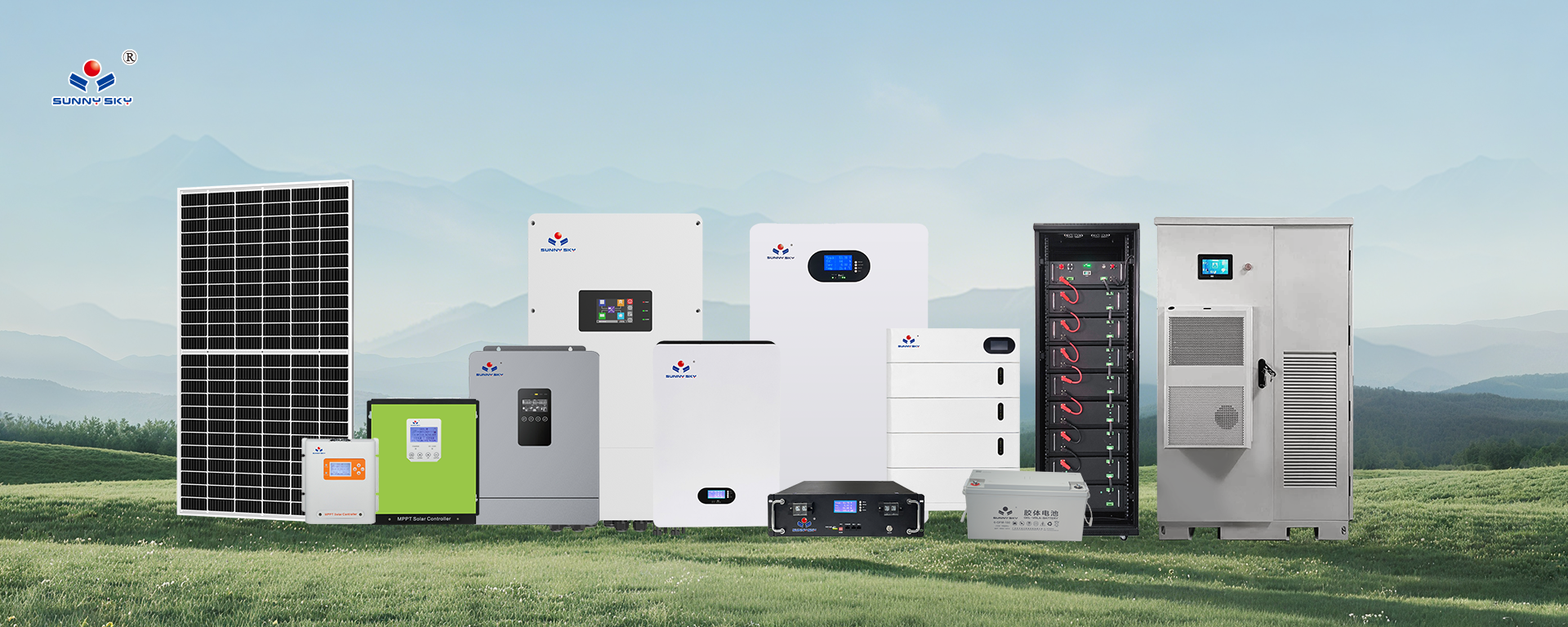
The hybrid solar inverter is engineered for versatility, featuring dual PV inputs and multiple MPPT terminals that optimize energy conversion from solar panels. This setup allows for precise matching of solar input to your home's energy needs, much like how a solar energy storage system stores excess power for later use. With options for grid-tied operations, our inverter ensures you can draw from the grid when necessary, while also feeding surplus energy back, promoting energy independence. Storage solar inverter capabilities mean you can rely on stored solar power during outages, making it a solar inverter for home environments that demand both reliability and efficiency. By integrating seamlessly with battery systems, this device maximizes your investment in renewable energy, persuading users to embrace a greener lifestyle without compromising on performance.
Investing in a hybrid solar inverter like our innovative model means enjoying long-term savings and environmental benefits that extend far beyond initial installation. As a solar power storage inverter, it intelligently manages energy flow between solar panels, batteries, and the grid, ensuring optimal use of every watt generated. For instance, during peak sunlight hours, you can store energy in your solar battery inverter for evening use, reducing reliance on traditional electricity sources. This not only lowers your bills but also positions you as a proactive participant in sustainable energy practices. Compared to standard inverters, our energy storage hybrid inverter offers superior adaptability, handling fluctuations in weather or demand with ease, which makes it the go-to choice for forward-thinking homeowners. The persuasive advantage here is clear: by choosing this technology, you're not just buying a device—you're investing in a more efficient, cost-effective, and eco-friendly future.
When it comes to selecting the best hybrid solar inverter, our product sets the benchmark with its robust design and advanced features, including seamless generator integration and intelligent energy management systems. A grid-tied hybrid solar inverter like ours allows for bidirectional energy flow, enabling you to sell excess power back to the grid and potentially earn rewards. This solar panel inverter with storage capability ensures that your system is future-proof, adapting to evolving energy needs without requiring major upgrades. With real-time monitoring through an intuitive LCD display, users gain full control over their energy ecosystem, from solar power generation to home usage. The persuasive power of this inverter lies in its ability to deliver peace of mind—knowing you're equipped with a reliable, high-performance solution that enhances your daily life while contributing to global sustainability efforts. By opting for our hybrid solar inverter, you're making a smart, informed decision that benefits both your wallet and the planet, solidifying its place as an essential component of modern energy systems.
Understanding the Core Features of a Hybrid Solar Inverter
The hybrid solar inverter is engineered for versatility, featuring dual PV inputs and multiple MPPT terminals that optimize energy conversion from solar panels. This setup allows for precise matching of solar input to your home's energy needs, much like how a solar energy storage system stores excess power for later use. With options for grid-tied operations, our inverter ensures you can draw from the grid when necessary, while also feeding surplus energy back, promoting energy independence. Storage solar inverter capabilities mean you can rely on stored solar power during outages, making it a solar inverter for home environments that demand both reliability and efficiency. By integrating seamlessly with battery systems, this device maximizes your investment in renewable energy, persuading users to embrace a greener lifestyle without compromising on performance.
The Benefits of Investing in a Hybrid Solar Inverter for Your Home
Investing in a hybrid solar inverter like our innovative model means enjoying long-term savings and environmental benefits that extend far beyond initial installation. As a solar power storage inverter, it intelligently manages energy flow between solar panels, batteries, and the grid, ensuring optimal use of every watt generated. For instance, during peak sunlight hours, you can store energy in your solar battery inverter for evening use, reducing reliance on traditional electricity sources. This not only lowers your bills but also positions you as a proactive participant in sustainable energy practices. Compared to standard inverters, our energy storage hybrid inverter offers superior adaptability, handling fluctuations in weather or demand with ease, which makes it the go-to choice for forward-thinking homeowners. The persuasive advantage here is clear: by choosing this technology, you're not just buying a device—you're investing in a more efficient, cost-effective, and eco-friendly future.
Why Our Hybrid Solar Inverter Leads the Market
When it comes to selecting the best hybrid solar inverter, our product sets the benchmark with its robust design and advanced features, including seamless generator integration and intelligent energy management systems. A grid-tied hybrid solar inverter like ours allows for bidirectional energy flow, enabling you to sell excess power back to the grid and potentially earn rewards. This solar panel inverter with storage capability ensures that your system is future-proof, adapting to evolving energy needs without requiring major upgrades. With real-time monitoring through an intuitive LCD display, users gain full control over their energy ecosystem, from solar power generation to home usage. The persuasive power of this inverter lies in its ability to deliver peace of mind—knowing you're equipped with a reliable, high-performance solution that enhances your daily life while contributing to global sustainability efforts. By opting for our hybrid solar inverter, you're making a smart, informed decision that benefits both your wallet and the planet, solidifying its place as an essential component of modern energy systems.




