

Comparing Hybrid Solar Inverters: Why the Best Options from China Stand Out
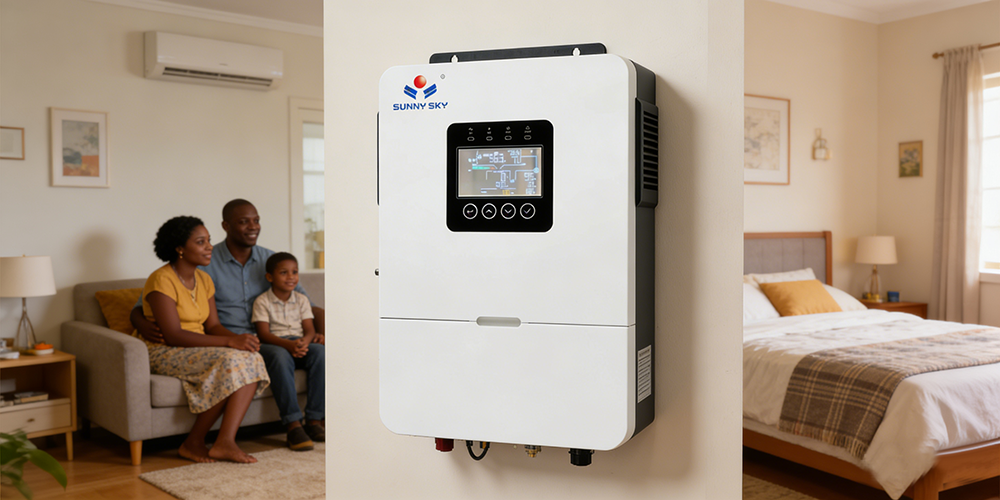
In the evolving world of renewable energy, the hybrid solar inverter stands as a pivotal technology for integrating solar power with traditional grids and battery storage. As homeowners and businesses seek efficient ways to harness sunlight, comparing hybrid solar inverters reveals key differences in performance, reliability, and cost-effectiveness. This article contrasts top models, highlighting how innovations from China solar inverter manufacturers, particularly those in Guangzhou, are reshaping energy solutions. With a focus on hybrid inverter technology, we'll explore why these systems offer superior value compared to conventional alternatives.
Traditional vs. Hybrid Solar Inverters: Core Differences in Functionality
Traditional solar inverters primarily convert DC power from panels to AC for immediate use or grid feed-in, but they lack the flexibility of battery integration. In contrast, a hybrid solar inverter like our Sunny Sky model from Guangzhou Tianyuan Solar Equipment CO.,LTD combines solar input, grid power, and battery storage into one seamless unit. This allows for energy optimization during peak hours and reliable backup during outages, reducing dependency on utility bills by up to 70%. While traditional inverters might suffice for simple setups, hybrid versions excel in dynamic environments, supporting multiple inputs and smart monitoring via intuitive displays. Guangzhou solar power systems powered by these inverters demonstrate higher adaptability, making them ideal for urban homes where space and reliability are premium concerns.
Efficiency and Innovation: High-Efficiency Solar Inverters from Top Suppliers
When evaluating high efficiency solar inverters, metrics like conversion rates (often exceeding 98% in premium models) and energy loss minimization become crucial. Compared to older grid-tie inverters, hybrid inverter technology incorporates advanced MPPT algorithms and AI-driven load management, ensuring maximal solar yield even on cloudy days. Solar inverter suppliers Guangzhou, such as our company, lead with patented designs that outperform European counterparts in cost-to-performance ratios—offering robust builds without the premium pricing. For instance, the best hybrid solar inverter China produces, like the Sunny Sky, features a sleek wall-mounted design with user-friendly interfaces, contrasting the bulkier, less intuitive setups from non-hybrid systems. Solar energy solutions China provides also emphasize sustainability, with lower carbon footprints and easier scalability for future expansions, unlike rigid traditional inverters that require full system overhauls.
Reliability and Global Reach: Solar Power Inverter China vs. International Alternatives
Reliability is a make-or-break factor, and solar power inverter China options from Guangzhou inverter companies shine here due to rigorous testing and independent R&D. Our Sunny Sky Hybrid Inverter, for example, has been exported to over 50 countries, boasting stability that rivals pricier imports while delivering first-class performance in diverse climates. In comparison, some international models may offer similar features but at higher costs and with longer lead times, whereas local manufacturing ensures quick customization and support. Hybrid inverter technology from these sources also prioritizes eco-friendly materials, reducing emissions more effectively than standard inverters. For businesses or households aiming for energy independence, the versatility of these systems—seamlessly blending solar, battery, and grid—provides peace of mind that standalone inverters simply can't match.
Cost-Effectiveness and Future-Proofing: Investing in Guangzhou's Solar Innovations
Cost comparisons further underscore the advantages of best hybrid solar inverter China products. While initial investments in high-end international inverters can exceed $5,000, equivalent models from China solar inverter manufacturers like Guangzhou Tianyuan start at under $2,000, with payback periods as short as 3-5 years through energy savings. Solar power inverter China excels in long-term value, with warranties up to 10 years and modular designs for easy upgrades, contrasting the obsolescence risks of older tech. Our commitment at Guangzhou Tianyuan Solar Equipment CO.,LTD—to delivering reliable, innovative green energy—means clients benefit from continuous R&D, enhancing efficiency and reducing consumption. Located just 20 minutes from Guangzhou Baiyun International Airport, we welcome visits to experience these solutions firsthand, complete with complimentary pickups. Ultimately, choosing hybrid solar inverters from top Guangzhou suppliers not only contrasts favorably with traditional options but positions users for a sustainable, empowered future.




