Ultimate Guide to Hybrid Solar Inverters: How to Choose, Install, and Maximize Benefits
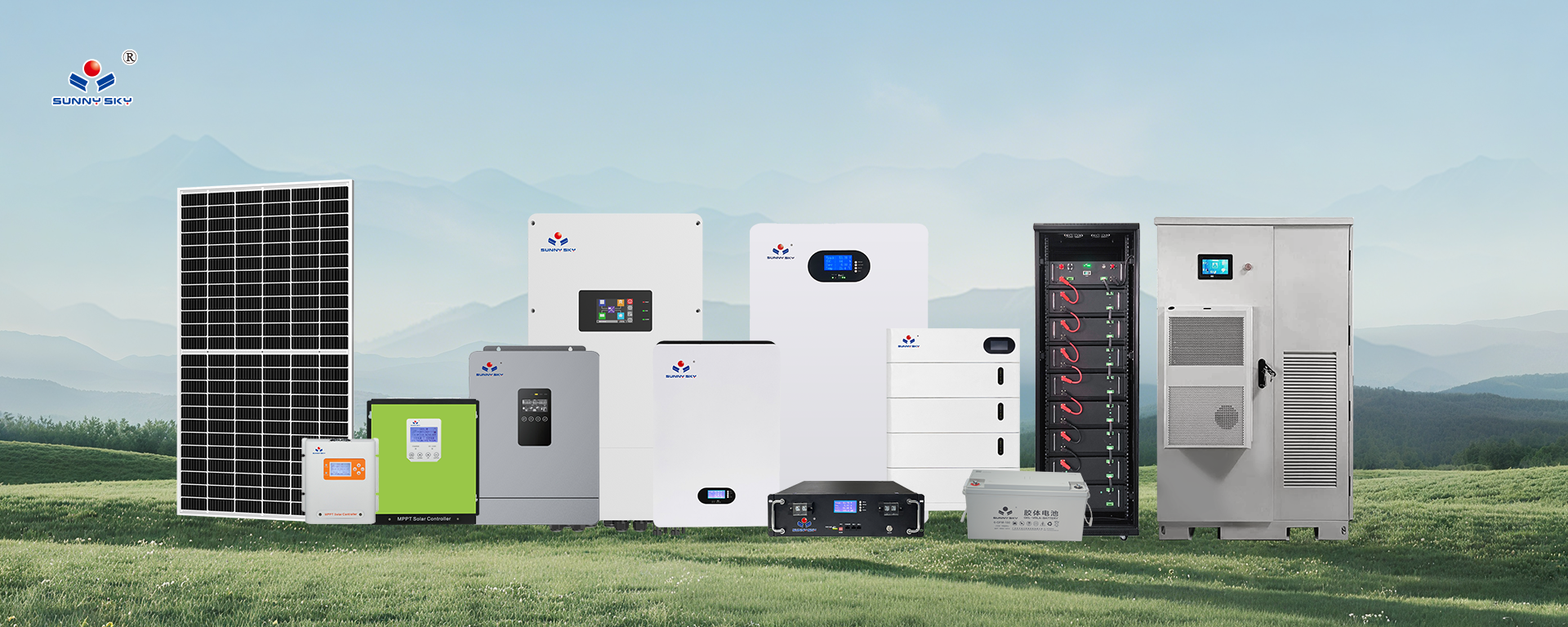
In the world of renewable energy, a hybrid solar inverter stands out as a versatile powerhouse that combines the best of solar power and grid electricity. If you're looking to upgrade your home or business energy system, understanding how to select and implement this technology is essential. This guide will walk you through everything from choosing the best hybrid solar inverter to installation tips and key benefits, helping you make an informed decision for a sustainable future.
Understanding What Makes a Hybrid Solar Inverter Essential
A hybrid solar inverter is designed to manage both solar panels and battery storage while seamlessly integrating with the utility grid. Unlike traditional setups, it allows for intelligent energy switching, ensuring you never run out of power. For instance, the 6KW Hybrid Solar Inverter from Sunny Sky exemplifies this by supporting hybrid functionality that optimizes energy usage. When deciding on the best hybrid solar inverter, consider factors like efficiency ratings—aim for models above 95% to maximize your solar harvest. Related aspects include hybrid inverter vs solar inverter comparisons: while a standard solar inverter only handles DC to AC conversion from panels, a hybrid one adds battery management and grid-tie capabilities, making it ideal for off-grid or backup scenarios. Reviews often highlight how these inverters reduce dependency on fossil fuels, with users praising their reliability during outages.
How to Choose the Best Hybrid Solar Inverter for Your Needs
Selecting the best hybrid solar inverter involves evaluating your power requirements and budget. Start by calculating your daily energy consumption— a 6KW model like Sunny Sky's is perfect for medium-sized homes powering appliances up to that capacity. Check hybrid solar inverter features such as built-in MPPT charge controllers for efficient solar tracking, user-friendly LCD displays for real-time monitoring, and safety protections against overloads and short circuits. Hybrid solar inverter reviews from trusted sources can guide you; look for high scores in efficiency and durability. Price is a key consideration—hybrid solar inverter price typically ranges from $1,000 to $3,000 depending on capacity and brand, but investing in quality pays off through long-term savings on electricity bills. Compare hybrid inverter vs solar inverter options: if you plan for battery storage, go hybrid to avoid future upgrades. The benefits include energy independence and lower costs, as it intelligently prioritizes free solar power over grid electricity.
Step-by-Step Guide to Installing a Hybrid Solar Inverter
Installing a hybrid solar inverter doesn't have to be daunting if you follow a structured approach. First, assess your site: ensure it's well-ventilated and protected from direct sunlight to maintain the unit's robust design. For hybrid solar inverter installation, professional help is recommended, but DIY enthusiasts can start by mounting the inverter securely using its compact, lightweight build—Sunny Sky's 6KW model weighs under 20kg for easy handling. Connect solar panels to the DC input, batteries to the storage port, and the grid to the AC side, following the manual's wiring diagram. During setup, configure the hybrid mode to prioritize solar input, then grid, and finally battery backup. Hybrid solar inverter installation tips include using certified cables to prevent losses and testing the system post-installation for seamless operation. A full hybrid solar inverter system might include panels, batteries, and this inverter, creating a complete off-grid solution. Once installed, monitor via the intuitive interface to track performance and adjust settings for optimal efficiency.
Exploring the Features and Long-Term Benefits of Hybrid Solar Inverters
Diving deeper into hybrid solar inverter features, advanced models like the 6KW from Sunny Sky offer programmable settings for peak shaving and load management, ensuring your system adapts to usage patterns. Benefits are plentiful: reduced electricity bills by up to 70%, environmental impact through clean energy, and enhanced home value. In hybrid inverter vs solar inverter debates, the hybrid wins for its versatility in unstable grid areas. User reviews often note the quiet operation and low maintenance, with protections safeguarding against common issues. To get the most from your hybrid solar inverter system, pair it with compatible lithium batteries for extended storage. Over time, these inverters promote sustainable living, cutting carbon footprints while providing reliable power. If price is a concern, factor in incentives like tax credits that offset the initial hybrid solar inverter price. By choosing wisely and installing correctly, you'll enjoy years of efficient, eco-friendly energy.
Tips for Maintenance and Maximizing Your Hybrid Solar Inverter Investment
To ensure your hybrid solar inverter performs optimally, regular maintenance is key. Clean the unit quarterly to prevent dust buildup, which can affect efficiency, and check connections for wear. Monitor hybrid solar inverter reviews for software updates that enhance features like remote app control. The benefits extend to scalability—start small and expand your hybrid solar inverter system as needs grow. Compared to a basic solar inverter, the hybrid's ability to store excess energy means no wasted sunlight, directly impacting your savings. For installation, always comply with local codes to avoid warranties voiding. In summary, embracing a hybrid solar inverter positions you at the forefront of renewable tech, blending innovation with practicality for a greener tomorrow.