Understanding Hybrid Solar Inverters in Modern Energy Systems
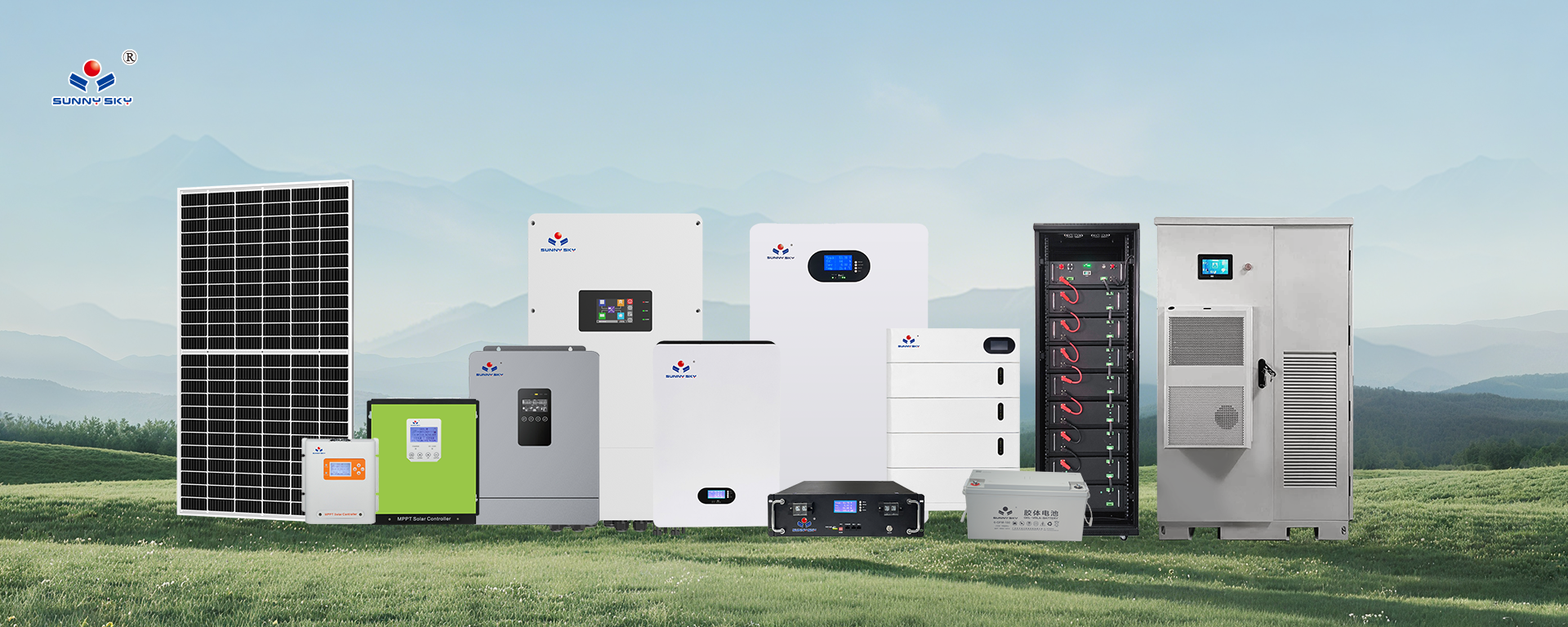
In the evolving landscape of renewable energy, the hybrid solar inverter stands out as a versatile powerhouse, blending solar power with grid and battery options for optimal efficiency. Unlike traditional inverters that solely convert DC from solar panels to AC for home use, a hybrid solar inverter+ integrates multiple sources, offering flexibility in power management. This comparison highlights how hybrid models surpass basic solar panel inverters by enabling seamless switches between solar, grid, and stored energy, making them ideal for homes aiming for energy independence.
When contrasting the best hybrid solar inverter with conventional grid-tied systems, the advantages become clear. Standard solar inverters depend entirely on sunlight and grid backup, often failing during outages, whereas the best hybrid solar inverter, like the Sunny Sky 6KW model, incorporates battery storage for off-grid capabilities. This off-grid hybrid inverter feature ensures continuous power, contrasting sharply with pure on-grid setups that halt during blackouts. Moreover, hybrid inverter advantages include cost savings through peak shaving—using stored solar energy during high-rate hours—versus the flat-rate dependency of non-hybrid systems, potentially reducing bills by up to 30%.
Delving into Solar Inverter Technology and Its Evolutions
Solar inverter technology has advanced significantly, with hybrid solar inverter+ models leading the charge in innovation. Traditional solar panel inverters focus on single-source conversion, lacking the multi-input prowess of renewables energy inverters that handle solar, wind, or grid inputs. In comparison, the hybrid inverter price often reflects this added value; while basic models might cost $1,000-$2,000 for 5kW, a premium hybrid like Sunny Sky's 6KW offers advanced digital displays and real-time monitoring for around $2,500, justifying the investment through longevity and efficiency. Contrasting off-grid hybrid inverters with their on-grid counterparts, hybrids excel in remote areas by storing excess energy in inverter battery storage, preventing waste that plagues simpler systems.
The hybrid solar system as a whole amplifies these benefits, integrating panels, inverters, and batteries into a cohesive unit. Unlike standalone renewable energy inverters that require separate components, hybrid setups streamline installation and operation, with the Sunny Sky model's sleek design fitting seamlessly into modern homes or businesses. This contrasts with bulkier traditional inverters, which often compromise aesthetics for functionality. Furthermore, hybrid inverter advantages extend to environmental impact, reducing carbon footprints more effectively than non-hybrid solar panel inverters by maximizing self-consumption rates up to 90%.
Comparing Costs and Long-Term Value of Hybrid Solutions
Evaluating hybrid inverter price against performance reveals a compelling case for investment. Basic solar inverters may seem cheaper upfront, but their lack of battery integration leads to higher long-term costs from grid reliance. In contrast, the Sunny Sky 6KW hybrid solar inverter+ provides robust inverter battery storage compatibility, allowing users to store surplus solar energy for nighttime use, directly offsetting the hybrid inverter price through energy bill reductions. Off-grid hybrid inverter variants, priced slightly higher at $3,000+, offer unparalleled reliability in areas with unstable grids, unlike standard models that falter without backup.
Hybrid inverter advantages truly shine in scalability; residential users can start small and expand, a flexibility absent in rigid traditional solar inverter technology. The renewable energy inverter in hybrid form supports diverse applications, from homes to commercial setups, contrasting the limitations of solar panel inverters suited mainly for sunny, grid-stable environments. With features like intuitive interfaces for monitoring power generation, the Sunny Sky model enhances user control, making it a superior choice over generic options.
In summary, the hybrid solar inverter+ redefines energy management by bridging the gaps in traditional systems, offering efficiency, resilience, and savings that propel us toward a sustainable future.