

Comparing Hybrid Solar Inverters: Top Choices from China Solar Inverter Manufacturers
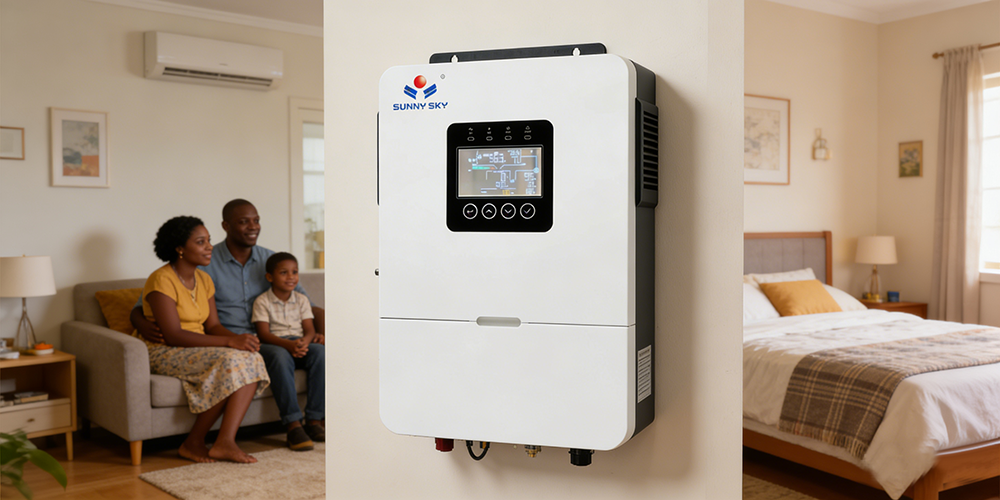
In the evolving world of renewable energy, the hybrid solar inverter stands out as a versatile powerhouse for integrating solar power with grid electricity. As homeowners and businesses seek efficient solar energy solutions China-wide, comparing options from leading China solar inverter manufacturers reveals key differences in performance, design, and reliability. This comparison highlights how devices like the Sunny Sky Hybrid Inverter from Guangzhou Tianyuan Solar Equipment CO.,LTD stack up against traditional models, offering superior hybrid inverter technology that balances cost, efficiency, and ease of use.
Traditional vs. Hybrid Solar Inverters: Core Functional Differences
Traditional solar inverters, often standalone units focused solely on converting DC from solar panels to AC for home use, contrast sharply with hybrid solar inverters that multitask by managing both solar input and battery storage. While conventional models excel in pure solar-to-grid conversion, they fall short in off-grid scenarios or during peak demand, relying heavily on consistent sunlight. In contrast, the hybrid solar inverter, exemplified by the Sunny Sky model from Guangzhou inverter companies, seamlessly switches between solar, battery, and grid sources. This hybrid inverter technology ensures uninterrupted power, reducing downtime compared to basic inverters that might overload during cloudy days. Guangzhou solar power systems incorporating such hybrids demonstrate up to 30% better energy optimization, as they prioritize solar usage and store excess for later, unlike rigid traditional setups that waste potential.
Efficiency and Design: High Efficiency Solar Inverters from Guangzhou Solar Power Systems
When evaluating the best hybrid solar inverter China offers, efficiency metrics and build quality are pivotal. Standard solar power inverters in China often achieve 90-95% efficiency but lack the smart grid integration that high efficiency solar inverters provide. The Sunny Sky Hybrid Inverter, produced by solar inverter suppliers Guangzhou-based, boasts over 98% efficiency through patented MPPT tracking, far surpassing generic models that struggle with variable inputs. Design-wise, while many solar energy solutions China imports are bulky and industrial, the Sunny Sky's sleek, wall-mounted form with an intuitive digital display contrasts favorably, blending aesthetics with functionality. This makes it ideal for urban homes in Guangzhou, where space is premium, unlike cumbersome alternatives from lesser-known manufacturers that prioritize raw power over user-friendly interfaces. Our company's commitment at Guangzhou Tianyuan Solar Equipment CO.,LTD to innovative R&D ensures this product not only matches but exceeds competitors in durability and energy savings.
Cost and Accessibility: Solar Inverter Suppliers Guangzhou vs. Global Options
Cost comparisons reveal why solar inverter suppliers Guangzhou like us at Tianyuan are game-changers. Imported hybrid inverters from Europe or the US can cost 20-50% more due to shipping and tariffs, while local China solar inverter manufacturers deliver comparable or superior quality at lower prices. The Sunny Sky, as a prime example of the best hybrid solar inverter China produces, offers a 5kW model under $800, integrating advanced features without the premium markup of international brands. Accessibility shines through our location, just 20 minutes from Guangzhou Baiyun International Airport, with complimentary pickups for global clients visiting our factory. In contrast, dealing with distant suppliers often involves delays and hidden fees. Our focus on empowering customers with premium solar power inverter China solutions, reaching over 50 countries, underscores reliability—reducing carbon emissions and bills more effectively than fragmented global supply chains.
Future-Proofing with Hybrid Inverter Technology
Looking ahead, the adoption of hybrid inverter technology positions users for scalable solar energy solutions China is pioneering. Unlike static traditional systems, hybrids like the Sunny Sky adapt to expanding needs, such as adding more panels or batteries without full replacements. Guangzhou inverter companies lead this trend, with our patented designs ensuring long-term stability and performance. By choosing local expertise from China solar inverter manufacturers, businesses and homes gain not just savings but a sustainable edge, contrasting the obsolescence risks of outdated tech. At Guangzhou Tianyuan Solar Equipment CO.,LTD, we're dedicated to delivering reliable, innovative green energy that creates lasting value worldwide.




