

Understanding the Hybrid Solar Inverter: Revolutionizing Energy Management
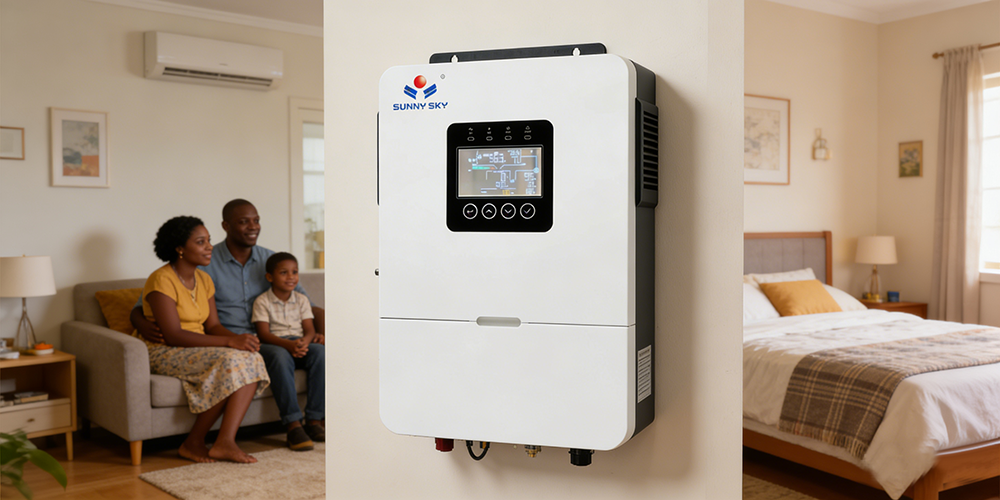
In the evolving landscape of renewable energy, the hybrid solar inverter stands as a pivotal technology for integrating solar power with traditional grids and battery storage. This device seamlessly combines the functionalities of a standard solar inverter and a battery inverter, enabling efficient energy conversion and management. At Guangzhou Tianyuan Solar Equipment CO.,LTD, known for its innovative SUNNYSKY brand, we pioneer such solutions with independent R&D and patented technologies that have earned global recognition in over 50 countries. Our commitment to stability, performance, and design ensures that products like our 12KW hybrid solar inverter deliver reliable, innovative green energy, reducing energy consumption and carbon emissions while creating lasting value for users.
Key Benefits of Hybrid Inverter Technology
Hybrid inverter technology offers transformative advantages in solar energy systems, making it a cornerstone for modern setups. One of the primary hybrid inverter benefits is its ability to optimize energy usage by prioritizing solar power for immediate loads, storing excess in batteries, and seamlessly switching to grid power only when necessary. This not only enhances energy independence but also provides backup during outages, ensuring uninterrupted power supply. For instance, our SUNNYSKY 12KW hybrid solar inverter excels in coordinating solar generation, battery storage, and grid interaction, supporting larger applications like homes, offices, and small commercial projects. Its intelligent routing minimizes reliance on non-renewable sources, leading to significant cost savings and environmental impact reduction. Furthermore, the technology's scalability allows for future expansions, adapting to increasing energy demands without major overhauls. With features like real-time monitoring via an intuitive LCD interface, users gain actionable insights into power flow and system performance, fostering a proactive approach to energy management.
Comparing Hybrid Inverter vs. Solar Inverter: Which is Right for You?
When evaluating options, understanding the differences between a hybrid inverter vs. solar inverter is crucial for informed decision-making. A traditional solar inverter primarily converts DC power from solar panels to AC for immediate use or grid feed-in, lacking native battery integration. In contrast, a hybrid solar inverter incorporates battery charging and discharging capabilities, acting as a comprehensive energy hub. This versatility makes hybrid models ideal for off-grid or hybrid grid-tied systems, where reliability during blackouts is paramount. Our SUNNYSKY hybrid solar inverter, for example, outperforms standard solar inverters by managing multiple energy sources with high efficiency, achieving up to 98% conversion rates. While solar inverters suffice for simple rooftop setups, hybrid variants provide resilience against power fluctuations and enable time-of-use optimization, charging batteries during low-rate periods. For users in regions with unstable grids, the hybrid approach delivers superior return on investment through reduced utility bills and enhanced system longevity.
Exploring the Best Hybrid Solar Inverter Options and Prices
Selecting the best hybrid solar inverter involves balancing performance, features, and cost. Top rated hybrid solar inverters, such as our 12KW model from SUNNYSKY, feature a sleek matte white design with rounded corners and a high-tech black control panel, blending aesthetics with functionality for contemporary spaces. Priced competitively, the hybrid solar inverter price for this unit starts around $2,500, varying by region and configuration, offering excellent value for its 12KW capacity that supports substantial loads in villas, farms, or retail environments. Hybrid solar inverter reviews highlight its user-friendly interface, which displays battery status, load info, and metrics via tactile navigation, ensuring easy operation even for non-experts. What sets it apart is the advanced engineering: pure sine wave output, MPPT charge controllers for maximum solar harvest, and parallel capabilities for system scaling. Compared to competitors, SUNNYSKY's inverter boasts superior build quality, with side ventilation for thermal management and patented tech for efficiency. For those budgeting, entry-level hybrids start at 5KW for under $1,000, but the 12KW variant provides future-proofing for growing energy needs.
Installing a Hybrid Solar Inverter: Best Practices and Considerations
Installing hybrid solar inverter systems requires careful planning to maximize efficiency and safety. Begin with a site assessment to determine optimal panel placement and inverter location, ensuring adequate ventilation and proximity to batteries and the main panel. Professional installation is recommended, especially for high-capacity units like our 12KW SUNNYSKY model, which integrates seamlessly with existing solar arrays. The process involves wiring solar inputs, battery connections, and AC outputs, followed by configuration via the LCD for grid-tie or off-grid modes. Key considerations include compatibility with panel voltage (typically 48V systems) and grounding to prevent faults. Post-installation, monitor for initial performance tweaks, such as adjusting charge rates to match battery chemistry—lithium-ion or lead-acid. Our factory, located just 20 minutes from Guangzhou Baiyun International Airport, welcomes global clients for demos, with complimentary pickups to explore our R&D innovations firsthand. Proper installation not only ensures warranty compliance but also unlocks the full potential of solar energy hybrid inverter capabilities, delivering a responsive energy ecosystem.
Real-World Reviews and Future of Hybrid Solar Inverters
Hybrid solar inverter reviews from users worldwide praise the reliability and ease of integration in diverse applications. Feedback on models like SUNNYSKY's emphasizes quiet operation, robust surge protection, and app-based remote monitoring for real-time adjustments. As technology advances, expect enhancements in AI-driven optimization and higher efficiencies, further solidifying hybrid inverters as essential for sustainable energy. At Guangzhou Tianyuan Solar Equipment CO.,LTD, we're dedicated to pushing these boundaries, empowering customers with premium solutions that align with global green initiatives.




