

Understanding Hybrid Solar Inverters and Why You Need One
A hybrid solar inverter is a game-changer for anyone looking to harness solar energy efficiently. This versatile device combines the functions of a traditional solar inverter and a battery charger, allowing seamless integration of solar panels, batteries, and the grid. If you're exploring solar energy solutions, starting with a hybrid solar inverter can simplify your setup and maximize your return on investment. In this guide, we'll walk you through how to choose, install, and maintain the best hybrid solar inverters to power your home sustainably.
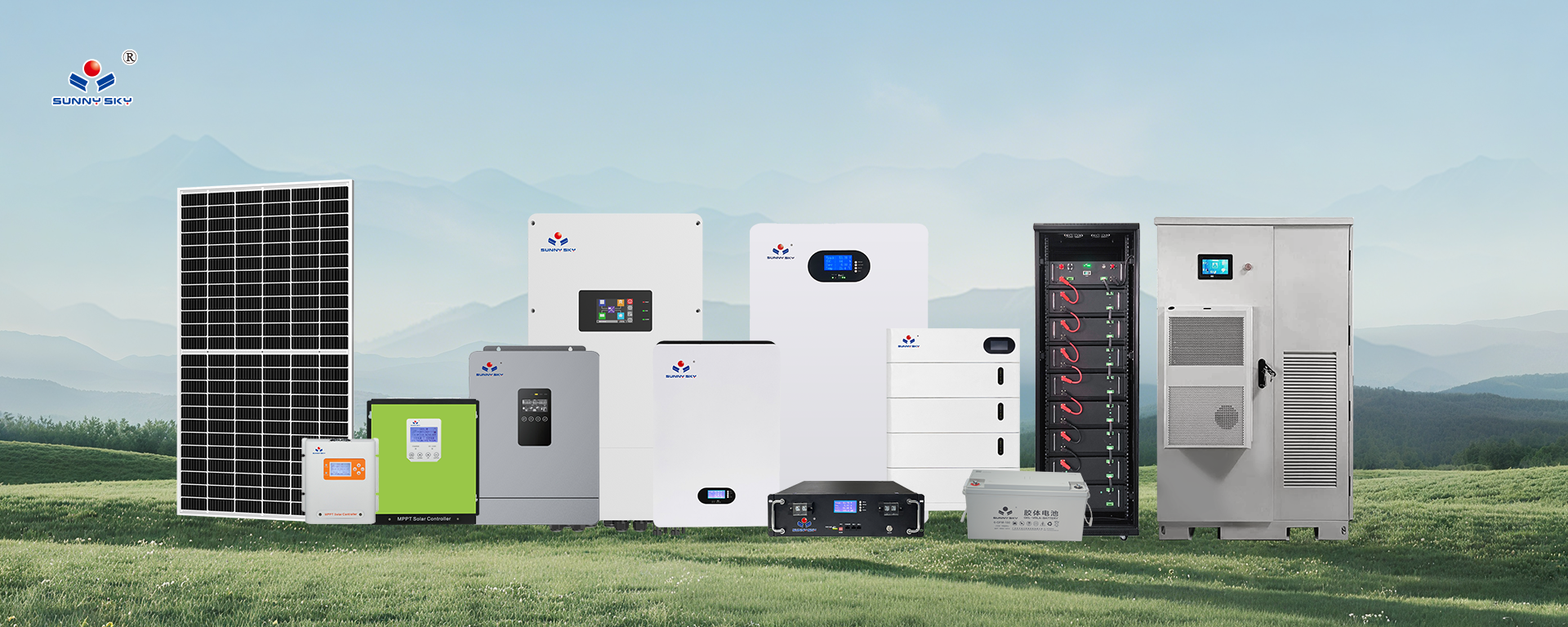
Selecting the Best Hybrid Solar Inverter for Your Needs
To pick the best hybrid solar inverters, first assess your energy requirements. Consider factors like your home's power consumption, available roof space for solar panels, and whether you want an off-grid hybrid inverter or a grid-tied solar inverter. For instance, a hybrid inverter for solar panels with dual input inverter capabilities allows you to connect both photovoltaic (PV) inputs and battery inputs simultaneously. Look for models with features like dry contact for remote monitoring, USB ports for firmware updates, and RS-485 for networking. Renewable energy inverters with parallel operation are ideal if you plan to scale up your solar power systems later. Prioritize efficiency ratings above 95% and ensure compatibility with your existing setup. Brands offering USB WIFI for wireless control make management effortless, letting you monitor solar inverter performance from your smartphone.
Installing a Hybrid Inverter for Solar Panels Step by Step
Installing a hybrid inverter for solar panels requires careful planning to ensure safety and optimal performance. Begin by gathering tools: a multimeter, wire strippers, and mounting brackets. Choose a cool, dry location away from direct sunlight to prevent overheating. Connect the PV input to your solar panels, ensuring proper polarity to convert sunlight into usable DC power. Next, link the battery input for energy storage, which is crucial for off-grid hybrid inverter setups during cloudy days. Attach the AC input to your grid supply for grid-tied solar inverter functionality, allowing excess power to feed back into the utility. Finally, wire the AC output to your home's electrical panel. Activate the on/off switch and use the circuit breaker to protect against overloads. For advanced solar energy solutions, enable parallel operation if using multiple units. Test the system by checking the LCD display for real-time data on solar power, battery levels, grid connection, and home consumption. If you're not experienced, hire a certified electrician to handle the installation and comply with local codes.
Optimizing and Maintaining Your Solar Power Systems
Once installed, optimizing your solar power systems involves regular maintenance to keep your hybrid solar inverter running smoothly. Monitor the LCD interface daily, which displays key metrics like solar generation (starting from 0 kW on low-light days), battery charge (in 5 levels), grid input, and household usage. Use the settings icon to customize modes, such as prioritizing battery discharge during peak hours for cost savings. Clean PV panels monthly to boost efficiency, and update firmware via USB ports to access the latest features. For renewable energy inverters in off-grid setups, ensure batteries are fully charged periodically to extend lifespan. If issues arise, the dry contact and RS-485 ports facilitate diagnostics. By integrating dual input inverter technology, you can blend solar, battery, and grid power seamlessly, reducing bills by up to 50%. Over time, this setup not only lowers your carbon footprint but also provides reliable backup during outages. With proper care, your hybrid solar inverter will deliver years of efficient service, making it a cornerstone of modern solar energy solutions.
This guide equips you with the knowledge to implement a robust hybrid solar inverter system. Whether you're going fully off-grid or tying into the grid, these steps ensure you get the most from your investment in sustainable energy.




